It might be a click when you yawn, a dull ache after a long day of meetings, or a jaw that feels stiff before breakfast. For people searching for TMJ treatment in Eden Prairie, MN, those sensations can be unsettling and hard to describe. The most useful first step is rarely a device or a procedure. It is understanding what is actually causing the discomfort.
TMJ Is a Joint, Not a Diagnosis
TMJ is shorthand for the temporomandibular joint, the hinge that connects your lower jaw to the skull, one on each side of the face. The broader term, TMD, refers to temporomandibular disorders, which can involve the joints, the chewing muscles, and the structures around them. Most of what people call TMJ pain falls under this wider umbrella.
That distinction carries real weight.
Jaw discomfort can originate in tired muscles, in the joint itself, in habits such as clenching, in an old injury, in arthritis, or even in a problem with a tooth. Two people describing identical pain may need entirely different care, because the source differs even when the sensation does not.
Sensations Worth Paying Attention To
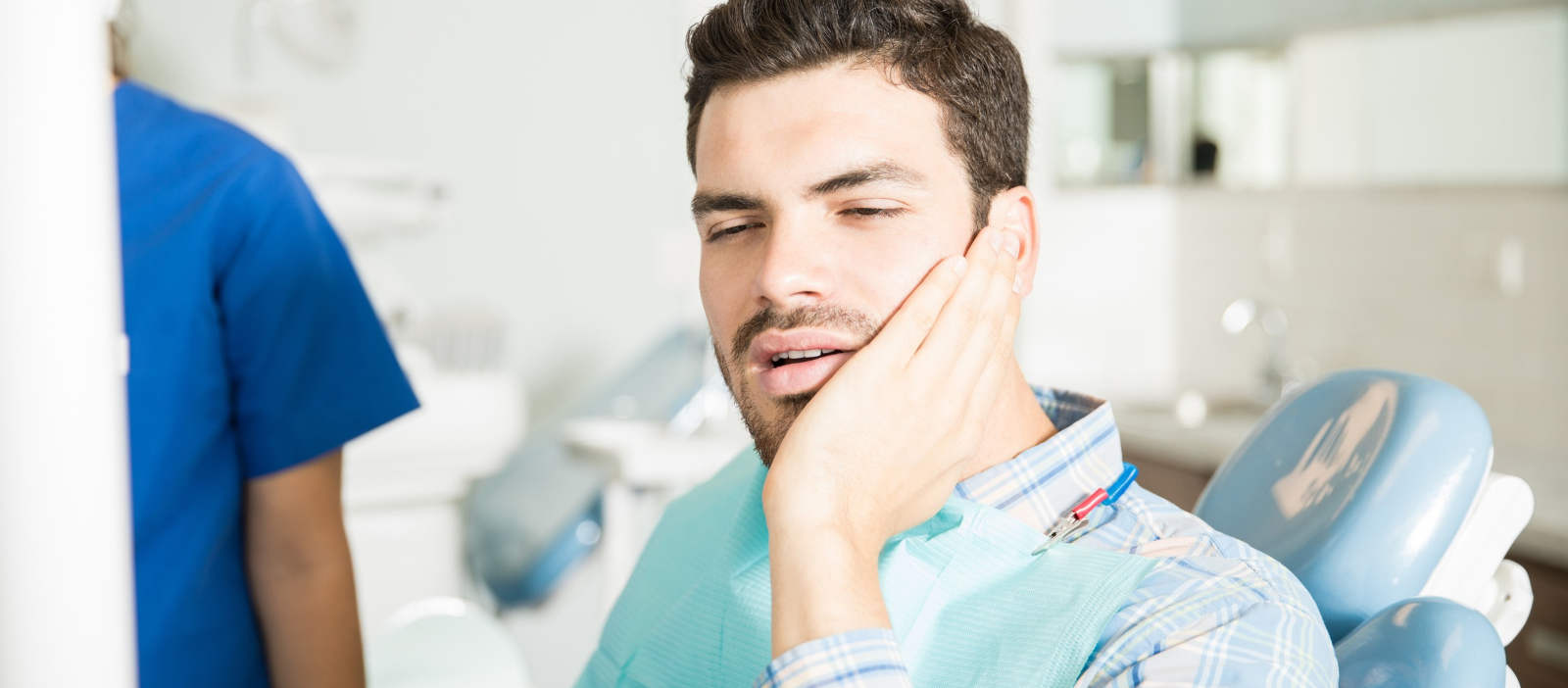
Tenderness in the jaw joints or chewing muscles, pain while chewing or opening wide, episodes of locking, and a bite that suddenly feels different are all worth mentioning to a dentist. Facial fatigue after clenching is another common clue. So is clicking, though only in certain circumstances.
Does a Clicking Jaw Need Treatment?
Not always, and that answer surprises many people. Jaw sounds are remarkably common, and a click without pain or restricted movement often requires nothing more than observation. If your jaw clicks but feels comfortable and opens fully, you may be in exactly that situation.
The meaning of a sound depends on its company. Clicking that comes with pain, locking, reduced opening, or a history of trauma deserves a closer look, while a painless click in a jaw that otherwise works comfortably may simply be part of how that joint moves.
Restraint, in other words, can be the most thoughtful recommendation. A good clinician will tell you when watching and waiting is the wiser course. That honesty matters, because unnecessary treatment carries its own costs.
What a Careful Evaluation Involves
At Moss Dental Studio, the assessment begins with your story: when the symptoms started, what seems to trigger them, whether they come and go, and whether there is any history of injury, clenching, grinding, or recent dental work.
The examination follows. It may include measuring how far and how smoothly the jaw opens, listening for joint sounds, checking the chewing muscles for tenderness, reviewing the bite, and looking for wear on the teeth. A dedicated TMJ evaluation gathers these findings in an orderly way, so that the plan rests on evidence rather than assumption.
When Imaging or Referral Helps
Most patients with jaw discomfort do not need advanced imaging. It becomes useful when the history or examination raises questions about the joint structures, trauma, degenerative change, or persistent locking. Your dentist will explain the reasoning if images are recommended.
Some situations call for another perspective entirely. Referral to an oral and maxillofacial specialist, a physical therapist, or a physician may be appropriate when symptoms are complex, persistent, or progressing, and a dentist who knows when to involve colleagues is a dentist worth trusting.
Why Gentle Approaches Usually Come First
TMD symptoms often fluctuate over weeks or months. That natural variability is one reason irreversible treatment is rarely the right place to begin.
Depending on the diagnosis, early care may include changing habits that aggravate the jaw, a short period of softer foods, targeted exercises or physical therapy, medication coordinated with the appropriate healthcare providers, or an oral appliance when there is a clear reason for one.
Each element is chosen to match the suspected source of the symptoms, so the plan can be refined as the jaw responds.
Permanent changes to the teeth or bite deserve particular caution. Without a clear diagnosis and a sound rationale, they should not be presented as a routine first-line cure.
The Place of Night Guards and Splints
An appliance can protect the teeth or ease selected symptoms. It is not a universal remedy.
When one is recommended, it should have a defined purpose, whether that is shielding enamel from grinding or reducing strain on particular muscles. Asking what the appliance is meant to accomplish, and how success will be measured, is entirely reasonable. You deserve a clear answer to both questions.
Clenching, Grinding, and the Teeth Themselves
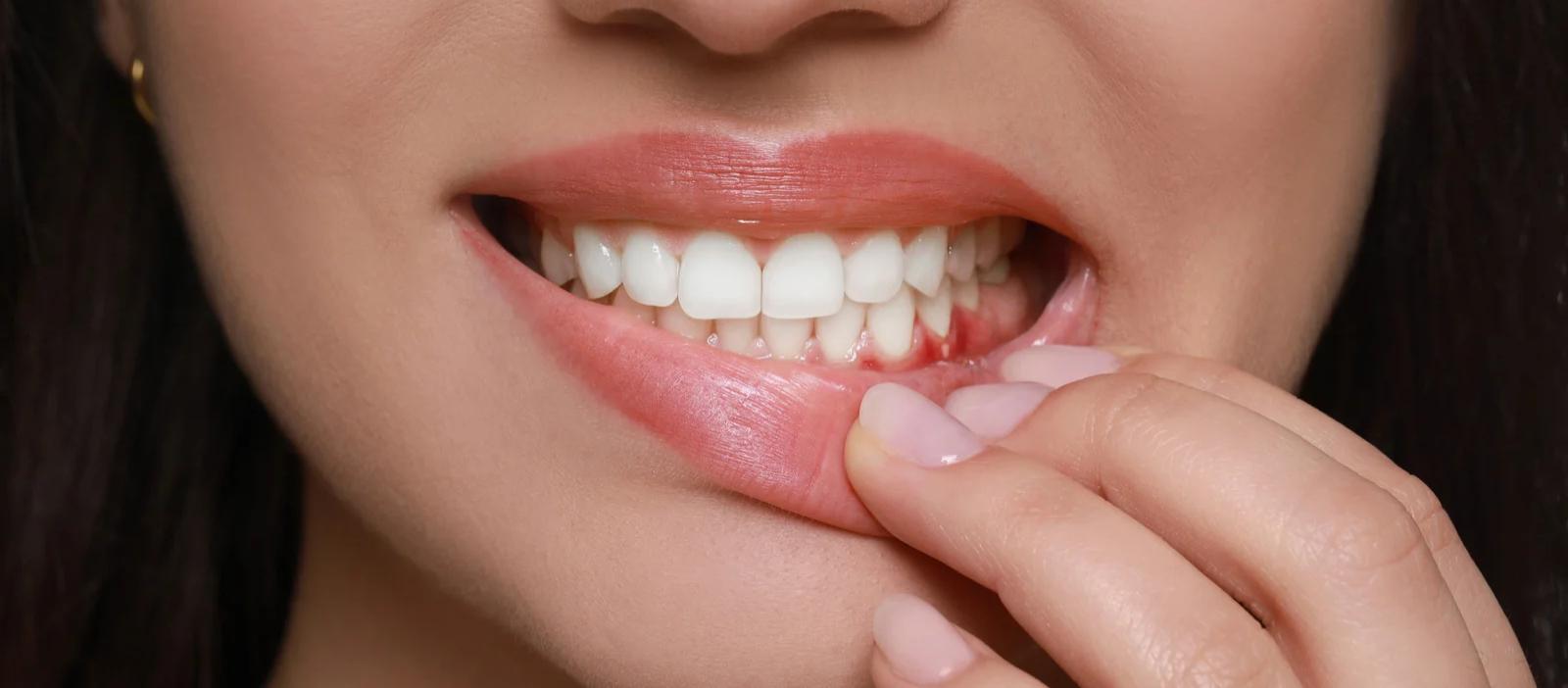
Many people clench during concentration or grind during sleep without realizing it. Over time, those habits can contribute to muscle fatigue, morning jaw soreness, worn edges, and even fractured teeth.
Picture someone who wakes most mornings with a tight jaw and has noticed a chip along a lower front tooth. Their care might involve two parallel concerns: easing the muscles and protecting the teeth that have already absorbed years of force. Neither concern can be addressed well in isolation.
When wear or fractures are present, the restorative condition of the teeth becomes part of the conversation. Restoring damaged teeth without addressing the forces that harmed them would leave the underlying problem in place.
The Uneven Road to Recovery
Progress with TMD is rarely a straight line.
Many patients notice gradual improvement over weeks, interrupted now and then by a difficult day after a stressful stretch or a particularly chewy meal. Those setbacks are not a sign that care has failed. They are part of how sensitive muscles and joints behave, and your plan can be adjusted as the pattern becomes clearer.
Follow-up visits give you and your dentist a chance to compare notes, so that what is working continues and what is not can be reconsidered.
Living Day to Day with a Sensitive Jaw
Small adjustments often make a noticeable difference while an evaluation is underway. Cutting food into smaller pieces, avoiding very chewy or hard items, and resisting the urge to test the jaw by clicking it repeatedly can all reduce strain.
Posture matters more than most people expect. Long hours at a screen can encourage the head to drift forward, which places added tension on the muscles of the neck and jaw, and a brief pause every hour is a simple habit worth adopting.
Keep a short record of when symptoms appear and what you were doing. That kind of detail is genuinely useful at your appointment, because patterns are often easier to spot on paper than in memory.
Questions People Often Ask About TMJ Discomfort
Is TMJ the Same as TMD?
TMJ refers to the jaw joint itself. TMD describes disorders involving the joints, chewing muscles, and related structures, which is the more accurate term for most jaw problems.
Can Stress Cause Jaw Pain?
Stress can contribute to muscle tension and clenching in some people, which is why demanding seasons of life sometimes coincide with flare-ups. Jaw pain has several possible causes, however, so it should not be attributed to stress without a proper evaluation.
Will I Need Surgery?
Most patients with jaw symptoms never begin with surgery. Surgical evaluation is generally reserved for selected structural or persistent conditions after a careful diagnosis. Conservative care is almost always explored first.
Can a Night Guard Cure TMJ Pain?
An oral appliance can help selected patients for specific purposes. It is not a cure for every case, so the cause of the symptoms should be identified first.
Where to Begin in Eden Prairie
Dr. Kevin Molldrem of Moss Dental Studio has more than 20 years of experience in dentistry. After graduating from the University of Minnesota Dental School six months early, he continued his education with a focus on full mouth reconstruction and TMJ solutions, a background that lends depth to every jaw evaluation.
For more detail on the service, the practice website covers TMJ treatment in Eden Prairie, MN. The Moss Dental Studio blog offers further reading, and the contact page is the most direct way to arrange a visit.
You may also reach the Eden Prairie office at (952) 243-2135. It is located at 800 Prairie Center Dr, Suite 250, Eden Prairie, MN 55344.