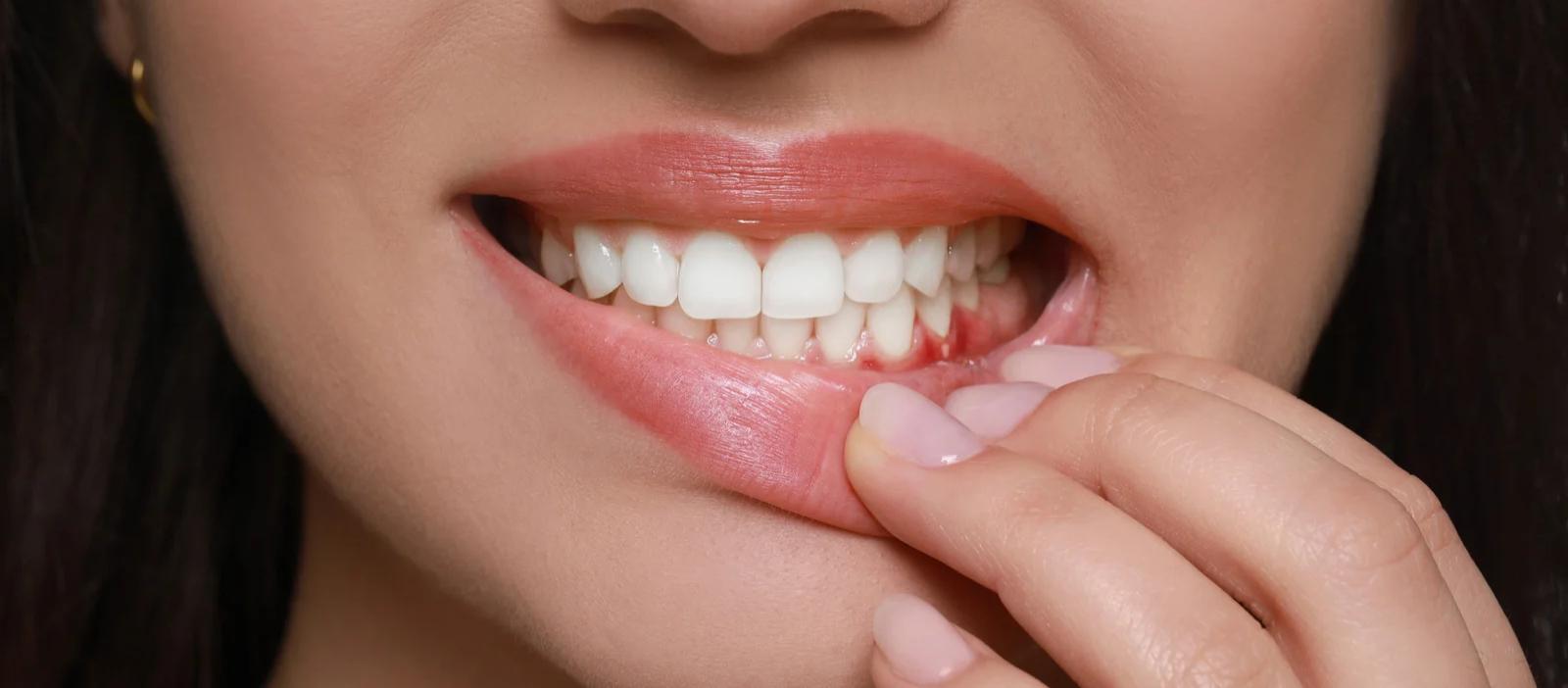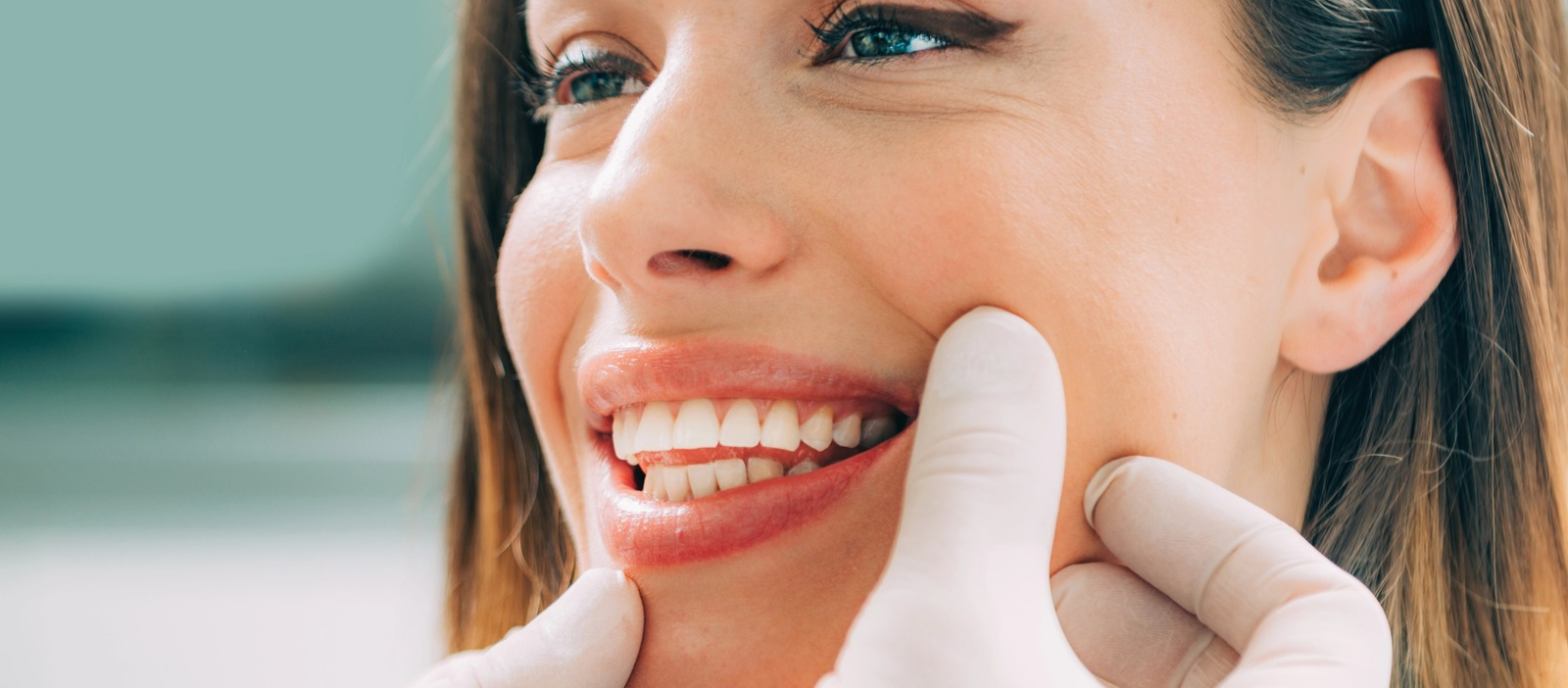
Most people who ask about veneers are not chasing perfection. They are tired of a front tooth that darkened years ago, or a small chip that catches the light in every photograph. For anyone considering dental veneers in Lakeville, MN, the best results tend to look effortless. That effortlessness is the product of careful planning, honest conversation, and a fair amount of restraint.
Thin Restorations, Considered Decisions
A veneer is a fine layer of restorative material, shaped and bonded over the visible face of a tooth. Used well, veneers can adjust color, contour, proportion, small gaps, and balance, sometimes creating a striking change with remarkably little bulk. Yet they are not simply a layer placed over any tooth that looks imperfect.
A veneer plan begins with healthy teeth and gums. It also requires a stable bite and a clear understanding of what you would like to change, because a beautiful restoration placed over an unstable foundation rarely lasts as it should.
Decay, active gum disease, significant damage, or bite problems may need attention first, and addressing them is part of doing the cosmetic work well.
Which Concerns Veneers Address Well
Veneers excel in a particular set of situations. Persistent discoloration that whitening is unlikely to resolve is one. Front teeth whose shape or proportion feels out of balance with the rest of the smile is another.
Small spaces and slightly uneven alignment can sometimes be refined with veneers, where they offer a reasonable alternative to orthodontic movement. Worn, chipped, or irregular edges respond well too, provided the underlying teeth remain suitable. And for some patients, the goal is simply harmony: coordinating color and shape across several visible teeth so they read as a cohesive whole.
Where Veneers Are Not the Answer
Veneers change how teeth look. They do not move roots, and they cannot correct a bite that is genuinely out of alignment.
When crowding, spacing, or the bite is significant, orthodontic treatment may preserve more natural tooth structure than reshaping teeth to create the appearance of alignment. Veneers should never be used to disguise decay, untreated gum disease, or a tooth that needs restorative care, and a careful dentist will raise these trade-offs plainly.
Porcelain Veneers or Composite Bonding?
The two are often discussed together, and each has its place. Your goals will usually point clearly toward one.
Porcelain or ceramic veneers are fabricated restorations designed to cover the visible surface of the tooth. Cosmetic dental bonding, by contrast, is applied directly by the dentist and sculpted in place, which makes it well suited to smaller additive changes.
For a single small chip or a modest change in shape, bonding may be the more conservative choice. Veneers may offer an advantage when broader control of color, contour, and symmetry is needed across several teeth. The right decision depends on the size of the change, your bite, the condition of the teeth, your expectations, and the maintenance you are prepared to undertake.
The Process, Step by Step
Treatment begins with an evaluation of the teeth, gums, bite, existing restorations, and your goals for the smile. Planning may include photographs, scans, impressions, or other records that help define tooth proportions and the intended result.
This is where the craft begins, in the quiet details of proportion that you may never consciously notice but will certainly feel.
Preparation is kept to the minimum your design and clinical situation call for. Records are then used to fabricate the restorations, and at placement the dentist evaluates fit, color, shape, contacts, and bite before bonding each veneer permanently to its tooth.
A Word on Enamel
Many veneer treatments require some alteration of enamel or tooth contour, though the amount varies from case to case. Claims that veneers are always no-prep or entirely reversible do not apply to every situation. Your dentist should be candid about what your own case requires.
Because preparation can make treatment irreversible, it is worth asking exactly how much structure will be changed on your teeth. Ask, too, what future maintenance or replacement might involve, so the decision is made with the long view in mind.
What a Natural Result Really Looks Like
The finest veneers rarely announce themselves.
Natural teeth are not uniformly white or perfectly identical. They carry subtle translucency at the edges, gentle variations in shade, and slight differences in length that give a smile its character. A well-designed veneer respects those qualities, so your smile looks like a refined version of your own rather than a borrowed one.
That is why shade and shape deserve an unhurried conversation. Bring photographs of smiles you admire, and of your own smile from years past if you have them, because those references help translate your preferences into proportions the dentist can plan around. Your face, your lip line, and the way you speak all inform the final design.
Timing Whitening and Existing Dental Work
Sequence matters more than many people realize. Bleaching brightens natural enamel, yet porcelain, ceramic, and composite keep whatever shade they were made in. Once a veneer is placed, its shade is set.
If whitening is part of the plan, it usually comes first, so that veneer shades can be chosen in relation to the newly brightened natural teeth. Existing crowns, fillings, or bonding on visible teeth deserve consideration as well, since those materials will not respond to whitening and may need to be addressed separately.
Imagine someone with one darkened front tooth and an older crown beside it. Their plan might involve whitening the surrounding teeth, then matching a single veneer and a replacement crown to that new shade, which is precisely the kind of coordination that makes the final result look natural rather than assembled.
Caring for Veneers over the Years
Veneers cannot develop cavities themselves. The natural tooth at their margins can. Gums around veneered teeth need to stay healthy for the restorations to look their best.
Daily brushing, cleaning between the teeth, and regular professional care remain essential. Like any restoration, a veneer may eventually chip, come loose, or need replacing, and nighttime grinding, nail biting, or a fondness for crunching ice will hasten that day.
If you clench or grind, mention it during planning. A protective night guard may be recommended to shield your investment from heavy, repeated force.
How Long Should You Expect Them to Last?
There is no fixed lifespan. Material, preparation, bite forces, grinding, hygiene, gum health, trauma, and maintenance all influence longevity, and a dentist can describe what to expect for your particular case.
Questions Patients Often Ask About Veneers
Do Veneers Damage Natural Teeth?
Veneer treatment can require permanent alteration of tooth structure, so it should be planned conservatively and only after alternatives have been discussed. Not every case leaves the teeth completely untouched.
Can Veneers Fix Crooked Teeth?
Veneers can change the visible shape and apparent alignment of selected teeth, though they do not move roots. Orthodontic treatment may be more appropriate when tooth position or the bite needs genuine correction.
Do Veneers Stain?
Ceramic veneers resist many surface stains. The surrounding natural teeth and bonding margins can change over time, and composite materials behave differently. Your dentist can explain how to maintain the material used in your case.
What Affects the Cost of Veneers?
The number of teeth, the material, the complexity of the case, and any care needed beforehand all play a part. A smile evaluation is needed for a meaningful estimate.
Beginning a Smile Evaluation in Lakeville
Dr. Kevin Molldrem of Moss Dental Studio has devoted more than 20 years to dentistry and has spoken of how rewarding it is to see patients arrive with an embarrassed smile and leave with a confident one. His continuing education in full mouth reconstruction brings a broader perspective to cosmetic planning, where bite and function matter as much as appearance.
To explore the service, the practice website covers dental veneers in Lakeville, MN. The Moss Dental Studio blog offers further reading, and the contact page is the simplest way to arrange a smile evaluation.
You can also reach the Lakeville office at (612) 312-0087. It is located at 18389 Orchard Trail, Lakeville, MN 55044.