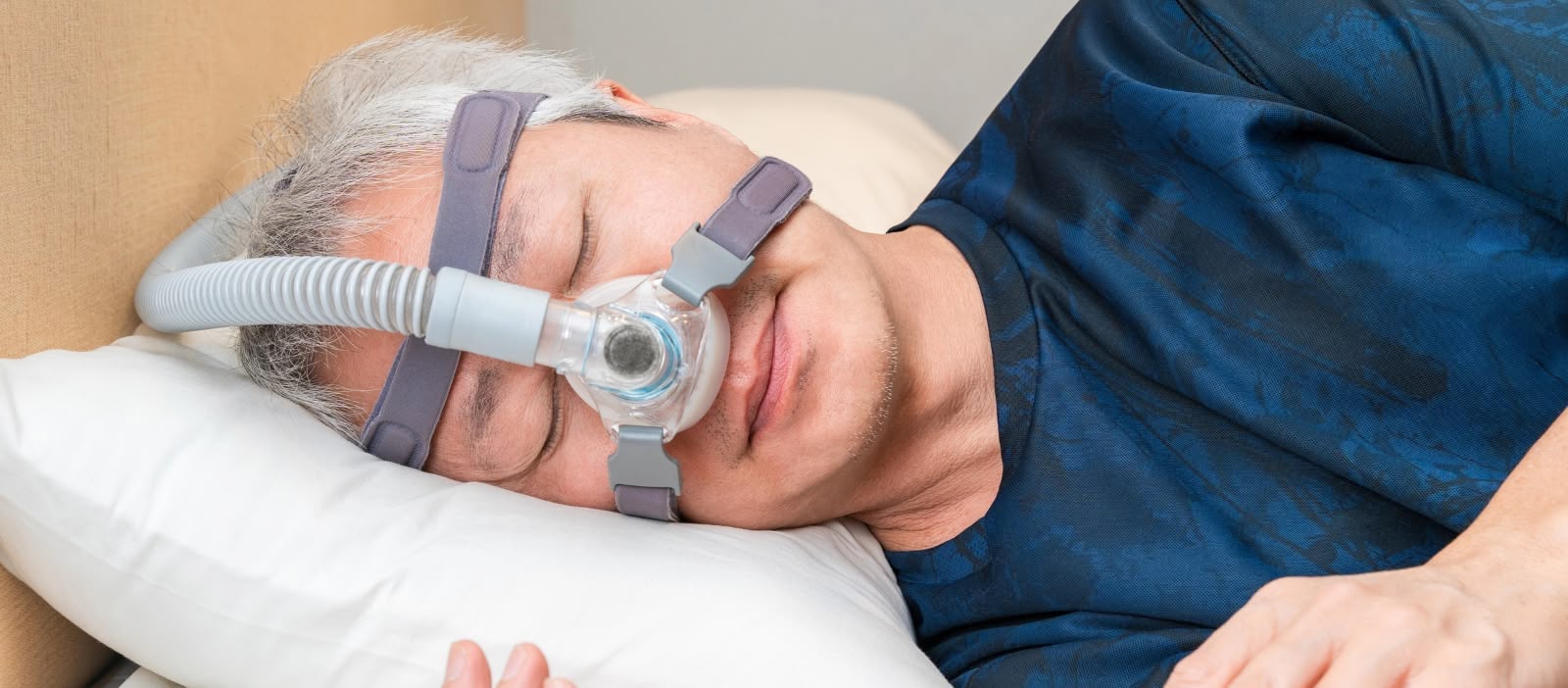
Some mornings begin already tired. A partner mentions the snoring again, perhaps a pause in breathing that worried them, and the coffee does less than it used to. For adults researching sleep apnea treatment in Eden Prairie, MN, a custom oral appliance may become part of the answer. It begins, however, with a diagnosis that no dentist can make alone.
Snoring and Sleep Apnea Are Not the Same Thing
The two often travel together, which is precisely why they are so easily confused. Snoring is a sound produced as air moves past relaxed tissues in the throat. Obstructive sleep apnea, by contrast, is a medical condition in which the airway narrows or collapses again and again through the night, interrupting normal breathing.
One can exist without the other.
Plenty of people snore loudly and breathe well. Others snore only lightly, yet experience repeated interruptions in airflow that leave them unrested no matter how long they stay in bed. Sound alone is an unreliable guide.
Symptoms That Raise the Question
Waking with a headache or a parched mouth, struggling to focus by mid-afternoon, a partner who hears you gasp or stop breathing, and snoring loud enough to carry down the hall can all point toward a sleep-related breathing problem. Each is a reason to seek an evaluation. None, on its own, establishes a diagnosis.
Diagnosis Belongs to a Medical Sleep Provider
Moss Dental Studio is clear on this point, and rightly so. A qualified medical provider interprets a sleep study, determines whether obstructive sleep apnea is present, and assesses its severity. Your dentist then works within that diagnosis rather than in place of it.
That information shapes everything that follows. Depending on the findings, the recommendation may be CPAP, an oral appliance, another treatment, or a combination of approaches, and the decision is made with the medical team rather than around it. Good care here is a collaboration.
For someone who has never had a sleep study, the first step is usually a conversation with a physician. A dental visit can still be valuable, since a dentist may notice signs worth raising, but treating snoring as proof of sleep apnea would skip the most important part of the process.
How an Oral Appliance Works
The most common dental sleep appliance is known as a mandibular advancement device. Worn only at night, it eases the lower jaw gently forward while you sleep, a small shift that can help keep the airway more open for the right candidates.
It is a quiet, compact piece of engineering.
Every device is custom fitted from records of your teeth and bite. Adjustment is guided clinically, in measured steps, rather than by pushing the jaw as far forward as it will go, because comfort, jaw health, and effectiveness all need to be balanced over time.
Oral Appliance or CPAP?
CPAP keeps the airway open with a steady stream of pressurized air delivered through a mask. An oral appliance uses a dental device and requires no mask, hose, or machine. They work differently, and they are not interchangeable for every patient.
If you already use CPAP, do not stop or substitute an appliance without coordinating with your medical sleep provider. The two approaches are sometimes considered together, and the choice deserves care. Your physician knows the details of your diagnosis in a way that should guide that conversation.
What the Dental Evaluation Examines
An appliance relies on the teeth for support, so the dentist looks closely at the foundation before anything is made.
Your review covers the teeth that will anchor the device, the health of the gums and supporting bone, the range of jaw movement, existing crowns or bridges, the way your bite comes together, and any symptoms in the jaw joints or chewing muscles.
Untreated decay, gum disease, or significant jaw discomfort may need attention first, because an appliance placed over unstable conditions rarely performs well.
It is a thorough appointment by design. A well-planned device is far more likely to be worn comfortably night after night, and consistency is what gives therapy its chance to help.
A Note on Simple Snoring
Not every patient who snores has sleep apnea. For those whose physician has ruled it out, a dedicated snoring appliance may be discussed as a separate option, with its own evaluation and goals. Your history and any prior sleep testing will help determine whether that path is appropriate.
Fitting, Adjustment, and Long-Term Follow-Up
Once the appliance is delivered, fit and comfort are checked carefully, and adjustments follow the treatment protocol over the coming weeks. Patients often need a short period to grow accustomed to wearing it.
Dental follow-up continues from there. The dentist monitors tooth position, changes in the bite, jaw or muscle symptoms, wear on the appliance, and overall oral health, since a device worn every night places its own small demands on the mouth.
Medical follow-up matters just as much. Reduced snoring is encouraging, but quieter nights do not prove that sleep apnea is adequately controlled, which is why your sleep provider may recommend repeat testing or another objective assessment with the appliance in use.
Knowing Whether It Is Working
Feeling more rested is a welcome sign. So is a partner who sleeps through the night.
Those impressions are worth sharing at follow-up visits. Effectiveness for diagnosed sleep apnea, however, is confirmed through the medical team, and the dental and medical sides of care work best when they communicate openly.
Caring for an Appliance Night After Night
A sleep appliance becomes part of your evening routine, much like brushing.
Each morning, the device should be rinsed and cleaned according to the instructions you receive, then stored dry in its case, away from heat and curious pets. Brushing and flossing before you put it in each night keeps food and plaque from being held against your teeth for hours, which protects both your enamel and your gums.
Small habits like these extend the life of the appliance and keep it fitting as intended. They take only a minute or two.
Bring the device to each dental visit. Your dentist can examine it for wear, check that it still seats properly, and compare your bite with earlier records, so that subtle changes are caught early rather than discovered years later.
Travel deserves a moment of planning as well. The appliance is compact enough for a carry-on bag, and keeping it with you means therapy continues on the road, where sleep is often disrupted already.
Questions Patients Ask About Sleep Apnea Appliances
Can a Dentist Diagnose Sleep Apnea?
A dentist can screen for warning signs and identify patients who should seek a medical sleep evaluation. Diagnosis itself requires a qualified medical provider and appropriate sleep testing.
Is an Oral Appliance Comfortable to Wear?
Most custom appliances are designed to be worn comfortably through the night, and fit is refined during follow-up visits. A brief adjustment period is common, and the device often begins to feel routine before long.
Will an Appliance Change My Bite?
Bite changes and tooth movement are possible with long-term use, which is why ongoing dental monitoring is part of therapy. Your dentist will watch for these changes at each visit and adjust the plan if needed.
Can I Use an Appliance Instead of CPAP?
For some patients, an oral appliance is an appropriate alternative or complement to CPAP. That decision should be made together with your medical sleep provider.
Next Steps at the Eden Prairie Office
Moss Dental Studio is led by Dr. Kevin Molldrem, who brings more than 20 years in dentistry and continuing education centered on full mouth reconstruction and TMJ solutions, a background that suits the careful attention to jaw and bite that appliance therapy requires.
To read more about the service, visit the practice website page on sleep apnea treatment in Eden Prairie, MN. The Moss Dental Studio blog offers additional patient articles, and the contact page is the simplest way to arrange an evaluation.
You may also reach the Eden Prairie office at (952) 243-2135. It is located at 800 Prairie Center Dr, Suite 250, Eden Prairie, MN 55344.