

Sleep Apnea Treatment
Obstructive sleep apnea is a medical sleep disorder in which breathing repeatedly becomes reduced or blocked during sleep. Because diagnosis requires medical sleep evaluation, dental treatment should begin after—or in coordination with—an appropriate medical sleep provider rather than treating snoring alone as proof of sleep apnea.
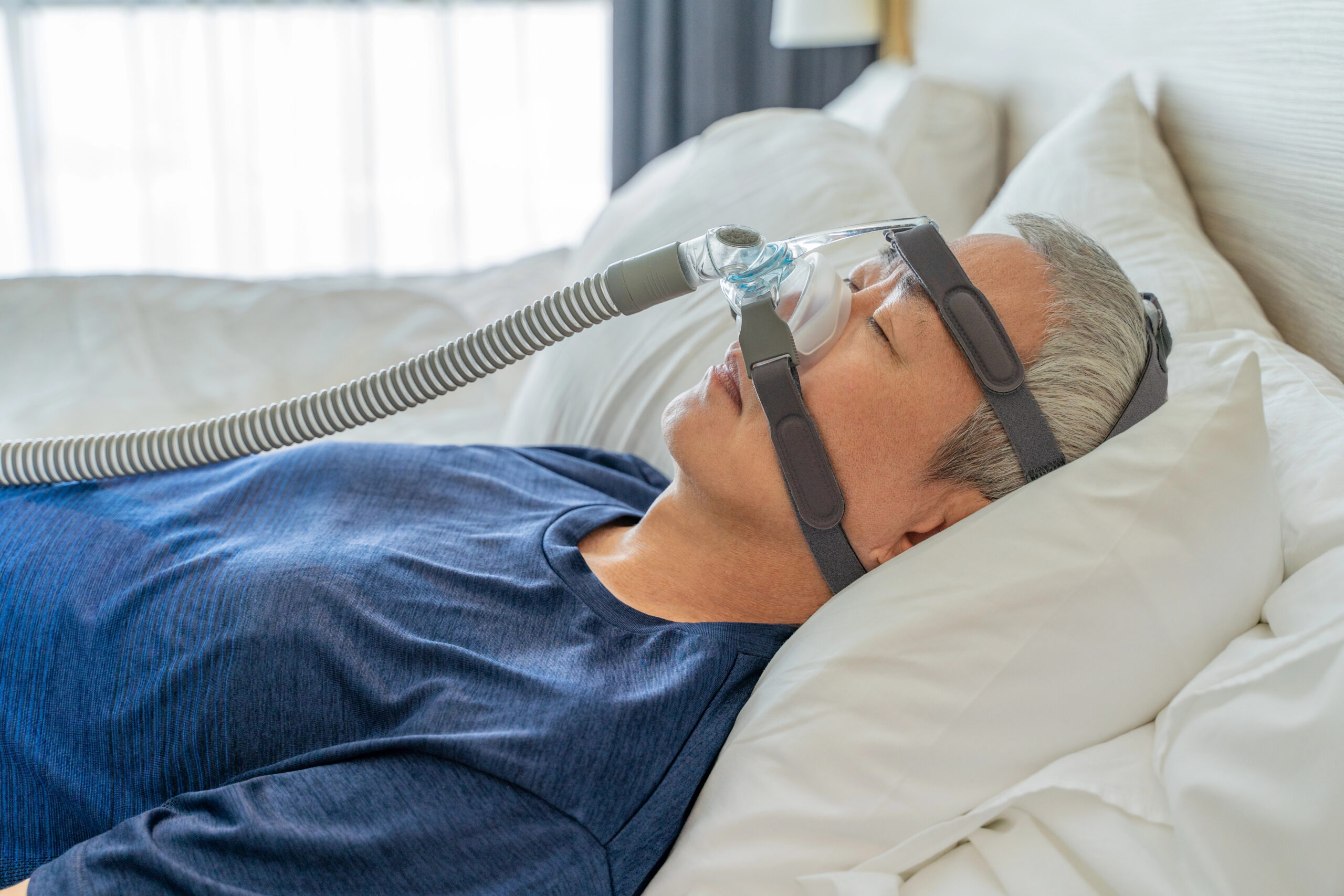
For selected patients with diagnosed obstructive sleep apnea, a custom oral appliance may be considered. The dentist’s role is to evaluate whether the teeth, gums, jaw, and bite can support appliance therapy, fit and adjust the device, and coordinate follow-up with the medical sleep team.
Symptoms Can Raise Concern—but They Do Not Diagnose Sleep Apnea
Loud habitual snoring, witnessed pauses or gasping, excessive daytime sleepiness, morning headaches, dry mouth, difficulty concentrating, and unrefreshing sleep can raise concern. These symptoms warrant appropriate assessment but do not establish the diagnosis by themselves.
Why a Sleep Study and Medical Diagnosis Matter
Snoring and obstructive sleep apnea can overlap, but they are not the same condition. A qualified medical provider interprets sleep evaluation and establishes the diagnosis and severity.
That information helps determine whether CPAP, oral appliance therapy, another treatment, or a combination should be considered.
How Does an Oral Appliance Work?
A commonly used dental sleep appliance is a mandibular advancement device. It holds the lower jaw in a forward position during sleep, which can help maintain airway space in selected patients.
The device needs to be custom fitted and adjusted. Adjustment should be guided clinically rather than by moving the appliance as far forward as possible.
Oral Appliance vs. CPAP
CPAP uses pressurized air through a mask to keep the airway open. Oral appliance therapy uses a dental device and does not require a mask or hose. They work differently and are not interchangeable for every patient.
Do not stop CPAP or substitute an appliance without coordination with the medical sleep provider.
What Does the Dental Evaluation Check?
The dentist evaluates the teeth that will support the appliance, gum and bone health, jaw movement, existing dental work, bite relationships, and symptoms involving the jaw joints or chewing muscles.
Untreated dental disease, inadequate support, significant jaw symptoms, or another oral condition may need attention before appliance therapy.
Fitting, Adjustment, and Follow-Up
Records of the teeth and bite are used to create the custom appliance. After delivery, fit and comfort are checked and the appliance is adjusted according to the treatment protocol.
Dental follow-up monitors tooth movement, bite changes, jaw or muscle symptoms, appliance wear, and oral health. Medical follow-up remains important because reduced snoring alone does not prove that sleep apnea is adequately controlled.
How Do You Know Whether It Is Working?
Feeling more rested or snoring less can be encouraging, but treatment effectiveness for diagnosed OSA should be assessed through appropriate medical follow-up. The sleep provider may recommend repeat sleep testing or another objective assessment with the appliance in use.
Sleep Apnea Treatment in Eden Prairie and Lakeville
Moss Dental Studio provides care from two Minnesota offices. Choose the location that works best for you when scheduling:
- Eden Prairie: 800 Prairie Center Dr, Suite 250, Eden Prairie, MN 55344 — call (952) 974-5116
- Lakeville: 18389 Orchard Trail, Lakeville, MN 55044 — call (612) 312-0087
For maps and office information, view the Moss Dental Studio locations or contact the dental team.
Questions Patients Ask
Can a dentist diagnose sleep apnea?
Dentists can screen for signs and risk and identify patients who should seek medical sleep evaluation, but diagnosis requires appropriate medical sleep assessment.
Is an oral appliance better than CPAP?
Neither is universally better. The appropriate treatment depends on diagnosis, severity, tolerance, medical recommendations, and treatment response.
Can I use an oral appliance if I cannot tolerate CPAP?
It may be considered for selected patients, including some who have difficulty with CPAP, but the decision should be coordinated with the medical sleep provider.
Will an appliance change my bite?
Tooth movement, bite changes, jaw discomfort, and muscle symptoms are possible side effects of long-term therapy, which is why dental monitoring matters.
Does less snoring mean my sleep apnea is cured?
No. Snoring can improve without proving that obstructive events are adequately controlled.
Does insurance cover oral appliances?
Coverage varies and may involve medical rather than dental benefits. Confirm the practice’s billing process and your individual plan.
Already Diagnosed With Sleep Apnea and Looking for an Alternative or Complement to CPAP?
An oral appliance can be useful for selected patients, but the decision should connect your medical sleep diagnosis with a dental evaluation of your teeth, gums, bite, and jaw.
Contact Moss Dental Studio to confirm whether oral appliance therapy for diagnosed sleep apnea is currently offered and how the practice coordinates treatment and follow-up with your medical sleep provider.
Eden Prairie: 800 Prairie Center Dr, Suite 250 — Call (952) 974-5116
Lakeville: 18389 Orchard Trail — Call (612) 312-0087