

Orthodontic Retainers
Finishing braces or clear-aligner treatment does not mean teeth become permanently fixed in their new positions. Teeth can shift over time, which is why retainers are used after active orthodontic treatment to help maintain the alignment that was achieved.
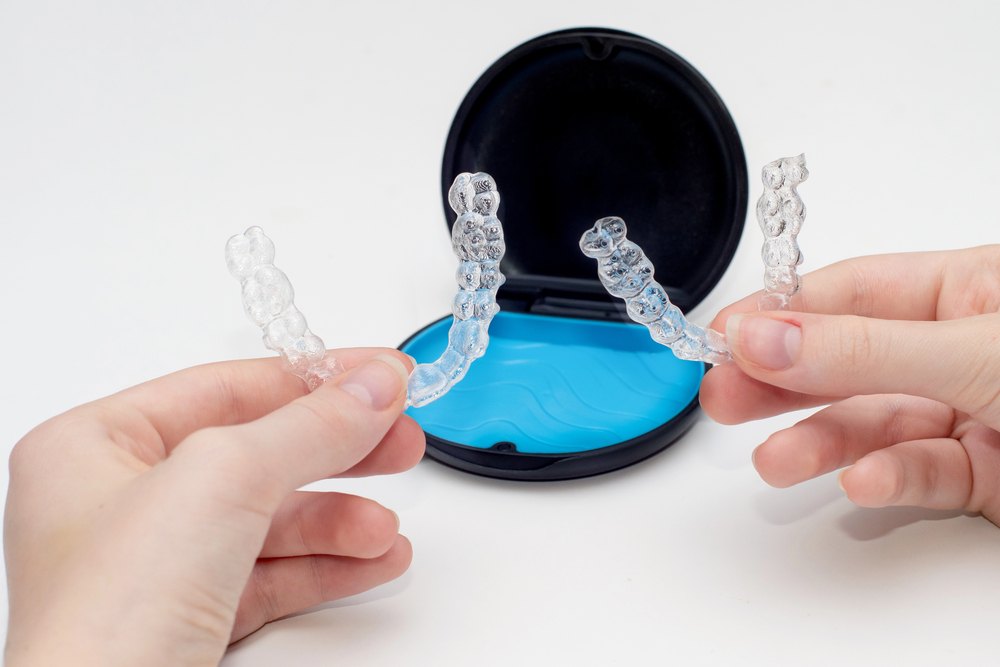
Retainers are not all the same, and they are not maintenance-free. The right design depends on the orthodontic result, bite, oral hygiene, tooth positions, and whether the appliance is removable or bonded.
What Does an Orthodontic Retainer Do?
Braces and aligners actively move teeth. Retainers have a different job: they help hold teeth in their corrected positions after active movement is complete. Bone and soft tissues continue adapting after treatment, and teeth can also change position with growth, aging, habits, tooth loss, and other forces.
Types of Orthodontic Retainers
- Clear removable retainers: transparent trays fitted over the teeth. They are discreet but depend on consistent wear and can crack, distort, or become lost.
- Hawley retainers: removable appliances that typically combine an acrylic base with a wire across the teeth. They can be durable and may allow selected adjustments.
- Fixed or bonded retainers: a wire bonded behind selected teeth. They provide continuous retention but require careful cleaning and monitoring for broken bonds or wire distortion.
How Long Do You Need to Wear a Retainer?
Retention is generally a long-term part of orthodontic care because teeth can continue to change position. A removable-retainer schedule may change after the initial retention period, but follow the schedule prescribed for your treatment rather than a generic timeline.
What If Your Retainer Feels Tight?
A changed fit can be an early sign that tooth position has shifted, but a very tight, painful, or non-fitting retainer should not simply be forced into place. The dentist needs to determine whether the appliance is distorted, the teeth shifted, or orthodontic retreatment is needed.
Retainers are designed primarily to maintain position; they should not be treated as substitutes for braces or aligners when meaningful tooth movement is required.
Lost or Broken Retainer? Do Not Wait for Obvious Movement
If a removable retainer is lost, cracked, or no longer fits, contact the dental office. Teeth can change position before movement becomes visually obvious. A new scan or impression may be needed to make a replacement based on current positions.
If a bonded retainer comes loose from one or more teeth, the wire may stop retaining those teeth even if it remains attached elsewhere. A distorted fixed wire can also create unwanted forces, so have it evaluated rather than bending it yourself.
How to Care for a Removable Retainer
- Remove and insert it using the technique shown by your dental team rather than repeatedly flexing one side.
- Clean it regularly using methods appropriate for the retainer material.
- Avoid hot or boiling water, which can distort some plastic retainers.
- Store it in its protective case when it is out of your mouth.
- Bring it to follow-up visits when requested so fit and condition can be checked.
Fixed Retainers Need Cleaning and Monitoring Too
A bonded retainer sits behind the teeth where plaque and calculus can accumulate. Cleaning around the wire and bonded areas is important for gum and tooth health. If a bond breaks, the wire bends, or tooth position appears to change, schedule an evaluation.
Orthodontic Retainers in Eden Prairie and Lakeville
Moss Dental Studio provides care from two Minnesota offices. Choose the location that works best for you when scheduling:
- Eden Prairie: 800 Prairie Center Dr, Suite 250, Eden Prairie, MN 55344 — call (952) 974-5116
- Lakeville: 18389 Orchard Trail, Lakeville, MN 55044 — call (612) 312-0087
For maps and office information, view the Moss Dental Studio locations or contact the dental team.
Questions Patients Ask
How long do I have to wear my retainer?
Retention is usually a long-term responsibility. Your prescribed wear schedule may change over time, but teeth can continue to shift, so follow your provider’s plan.
What should I do if I lose my retainer?
Contact the dental office promptly. Waiting can allow tooth movement that changes the fit of a replacement retainer.
Can I wear an old retainer if my teeth shifted?
Do not force a retainer that no longer fits. An evaluation can determine whether a new retainer or additional orthodontic treatment is appropriate.
Which is better: a clear, Hawley, or fixed retainer?
There is no single best design for everyone. Orthodontic result, bite, hygiene, compliance, durability, and the teeth being retained all matter.
How do I clean a clear retainer?
Use the cleaning method recommended for the material and avoid hot water that could distort it. Store the retainer in its case when not worn.
Can a fixed retainer break without me noticing?
Yes. A bond can loosen or a wire can distort. Regular checks and attention to changes in fit or tooth position help identify problems.
Lost a Retainer, Noticing Movement, or Finishing Orthodontic Treatment? Act Before More Shifting Occurs.
A retainer protects the time and effort invested in moving your teeth. If yours is broken, missing, too tight, or no longer fitting correctly, waiting can allow the tooth positions to change further.
Contact Moss Dental Studio for a retainer evaluation or replacement so the team can assess your current alignment and determine the appropriate retention plan.
Eden Prairie: 800 Prairie Center Dr, Suite 250 — Call (952) 974-5116
Lakeville: 18389 Orchard Trail — Call (612) 312-0087