

Scaling and Root Planing
Scaling and root planing is a nonsurgical periodontal treatment used for selected patients with periodontitis. It removes bacterial deposits and calculus from below the gumline and cleans root surfaces that cannot be adequately treated with a routine preventive cleaning.
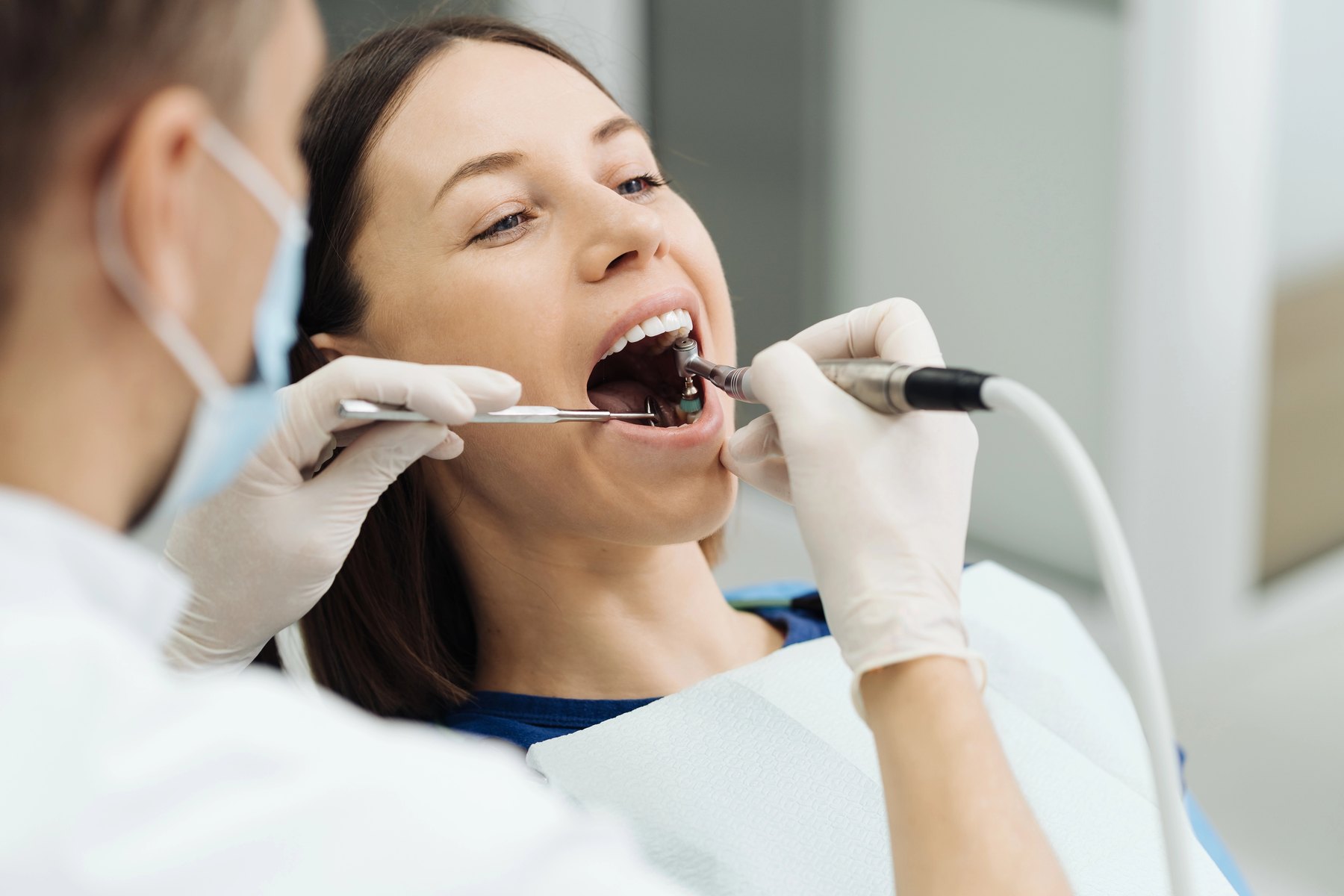
Patients often hear the phrase “deep cleaning,” but that label can make the treatment sound like a stronger version of an ordinary cleaning. It is more accurate to think of scaling and root planing as treatment for diagnosed periodontal disease.
How Is Scaling and Root Planing Different From a Regular Cleaning?
A routine dental cleaning is preventive care for a mouth that does not require active periodontal therapy. Scaling and root planing is directed at periodontal pockets and root surfaces below the gumline where disease is present.
The choice should be based on periodontal measurements, inflammation, bone levels, deposit location, and the overall diagnosis—not simply on how much tartar is visible or how long it has been since your last cleaning.
Why Would Your Dentist Recommend Scaling and Root Planing?
- Periodontal pocketing indicates that disease extends below the gumline.
- Calculus and bacterial deposits are present on root surfaces that cannot be adequately managed with routine cleaning.
- Dental images show supporting-bone changes consistent with periodontal disease.
- Inflammation and other periodontal findings indicate a need for active nonsurgical treatment.
- The goal is to control disease before deciding whether additional periodontal therapy is needed.
What Happens During Scaling and Root Planing?
Treatment may be completed in sections of the mouth depending on the extent of disease and the treatment plan. Local anesthetic may be used to improve comfort while deposits are removed from below the gumline and root surfaces are thoroughly cleaned.
The procedure addresses bacterial deposits and contaminated root surfaces. It does not restore bone that has already been lost, and it does not eliminate the need for daily plaque control.
What Should You Expect After Treatment?
Tenderness, temperature sensitivity, or minor gum soreness can occur after treatment. As inflammation decreases, the gums may change in appearance and recession or root exposure can become more noticeable because swollen tissues are no longer masking the underlying anatomy.
Follow the instructions you receive for brushing, interdental cleaning, diet, and any recommended medications. Contact the office if pain, swelling, or other symptoms are worsening rather than improving.
Re-Evaluation Is Part of the Treatment
The response to scaling and root planing needs to be assessed. Periodontal measurements, bleeding, inflammation, plaque control, and the condition of previously deep sites help determine whether the disease is becoming more stable or whether additional treatment is needed.
Some sites may respond well to nonsurgical therapy. Others may remain deep or difficult to maintain and require further periodontal evaluation or surgical consideration.
Why Periodontal Maintenance Usually Follows
Once periodontitis has been diagnosed and treated, ongoing maintenance is different from simply returning to routine preventive cleaning. Periodontal maintenance focuses on controlling a chronic disease and monitoring sites that have already lost support.
The interval should be individualized according to disease severity, response to treatment, home care, and risk factors.
Scaling and Root Planing in Eden Prairie and Lakeville
Moss Dental Studio provides care from two Minnesota offices. Choose the location that works best for you when scheduling:
- Eden Prairie: 800 Prairie Center Dr, Suite 250, Eden Prairie, MN 55344 — call (952) 974-5116
- Lakeville: 18389 Orchard Trail, Lakeville, MN 55044 — call (612) 312-0087
For maps and office information, view the Moss Dental Studio locations or contact the dental team.
Questions Patients Ask
Is scaling and root planing the same as deep cleaning?
“Deep cleaning” is a common informal term for scaling and root planing, but the clinical distinction is that scaling and root planing treats diagnosed periodontal disease below the gumline.
Does scaling and root planing hurt?
Local anesthetic may be used during treatment. Tenderness or sensitivity afterward varies with inflammation, root exposure, and the extent of treatment.
Can scaling and root planing cure gum disease?
It can help control periodontitis by reducing bacterial deposits and inflammation, but periodontitis requires ongoing management and maintenance. Some sites may need additional therapy.
Will my gums grow back after deep cleaning?
As inflammation decreases, swollen gums may shrink and fit more closely around the teeth, but tissue and bone already lost to periodontitis do not simply return because the roots were cleaned.
How many appointments does scaling and root planing require?
The number and length of visits depend on how much of the mouth requires treatment, disease severity, comfort needs, and the clinical plan.
Been Told You Need a “Deep Cleaning”? Make Sure You Understand Why.
Scaling and root planing should be recommended because periodontal findings show active disease below the gumline—not simply because it has been a long time since your last cleaning.
Schedule a periodontal evaluation so Moss Dental Studio can show you the findings, explain the difference between routine cleaning and periodontal therapy, and outline what happens after treatment.
Eden Prairie: 800 Prairie Center Dr, Suite 250 — Call (952) 974-5116
Lakeville: 18389 Orchard Trail — Call (612) 312-0087