

Traditional Braces
Traditional braces use brackets attached to the teeth and orthodontic wires to apply controlled forces that move teeth toward planned positions. Unlike removable clear aligners, braces remain on the teeth throughout active treatment, so they do not depend on remembering to put an appliance back in after meals.
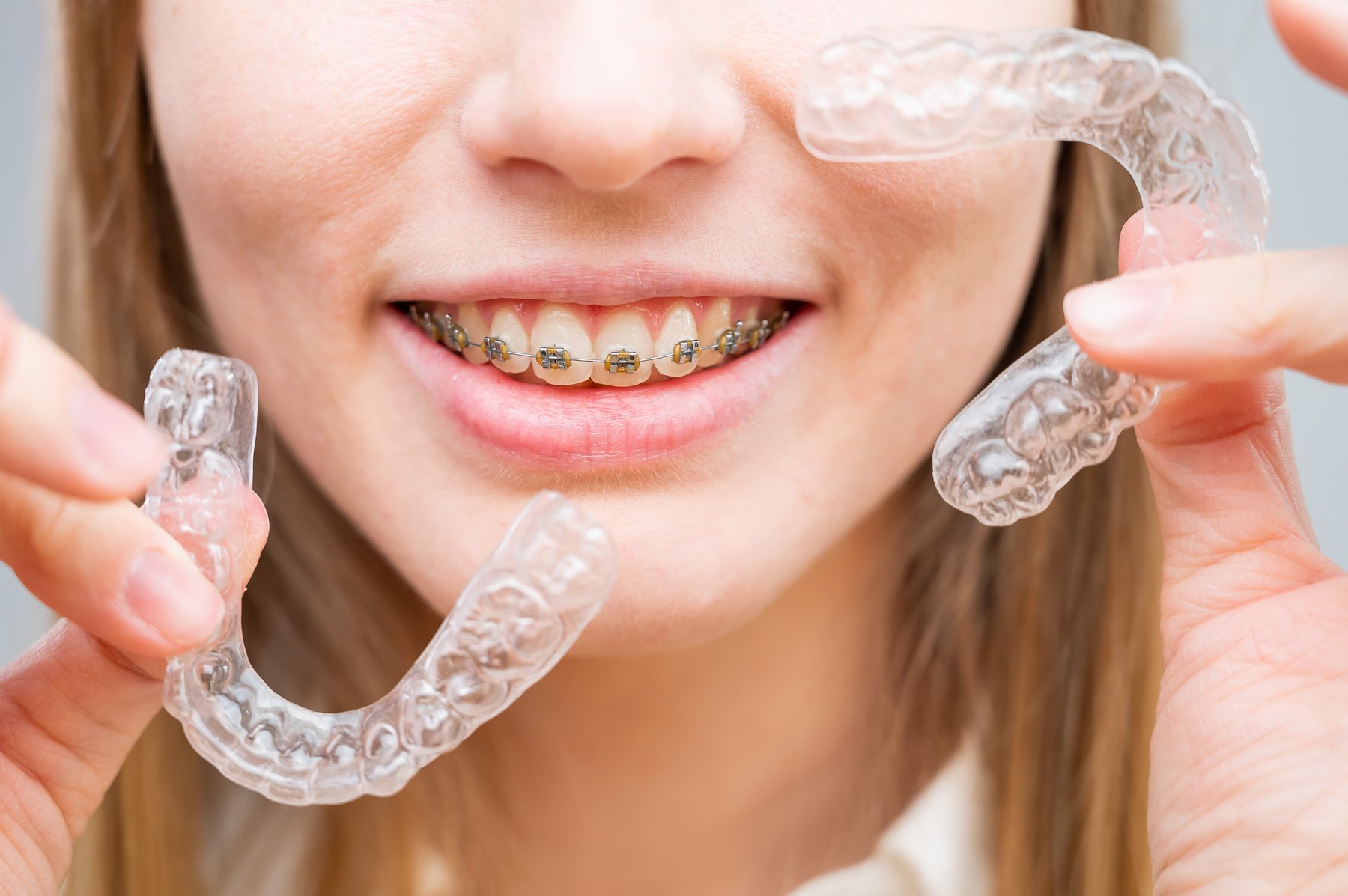
The decision to use braces should come from the orthodontic problem that needs to be corrected. Crowding, spacing, rotations, bite relationships, tooth development, oral health, and patient cooperation all influence whether fixed braces are an appropriate treatment approach.
What Can Traditional Braces Treat?
Fixed braces can be used for a wide range of tooth-position and bite concerns. The exact movements required determine the treatment plan, wire sequence, attachments, and whether additional orthodontic mechanics are needed.
- Crowded or overlapping teeth.
- Spaces between teeth.
- Rotated or displaced teeth.
- Selected overbite, underbite, crossbite, or open-bite relationships.
- Teeth that have shifted after previous orthodontic treatment.
- Cases where fixed appliances offer practical advantages over a removable system.
How Do Braces Move Teeth?
Each bracket acts as a point of control on a tooth. The orthodontic wire and other components apply forces according to the treatment plan, and the supporting tissues remodel as teeth move gradually.
Treatment is not simply a matter of tightening braces as much as possible. Orthodontic forces need to be planned and monitored, and biological response varies from patient to patient.
What Happens Before Braces Are Placed?
The teeth, gums, bite, and supporting tissues need to be evaluated before active orthodontic treatment. Diagnostic records may include photographs, digital scans or impressions, and imaging when clinically indicated.
Cavities, active gum disease, poor plaque control, or other dental problems may need attention before or during orthodontic treatment. Brackets and wires create additional areas where plaque can accumulate, making home care especially important.
Living With Braces: Cleaning Takes More Attention
Brushing around brackets, along the gumline, and beneath the orthodontic wire requires more care than brushing teeth without appliances. Interdental brushes, floss threaders, water-flossing devices, or other tools may be recommended according to your needs.
Poor plaque control during orthodontic treatment can contribute to gum inflammation, cavities, and visible enamel changes around brackets. Orthodontic movement and preventive dental care need to work together.
What Foods Should You Be Careful With?
Hard, sticky, or very chewy foods can damage brackets and wires. The specific food guidance should come from your dental team, but avoiding habits such as chewing ice, biting hard objects, or using teeth to open packaging can reduce avoidable appliance problems.
If a bracket comes loose or a wire becomes uncomfortable, contact the office rather than attempting major adjustments yourself.
Traditional Braces vs. Invisalign
Traditional braces are fixed, while Invisalign aligners are removable. Aligners can be discreet and convenient for eating and cleaning, but they depend heavily on consistent wear. Fixed braces remain active without relying on the patient to reinsert an appliance.
Some orthodontic problems can be treated with either system, while others may be more predictable with one approach or additional mechanics. If you are comparing options, review Invisalign information at Invisalign clear aligners and use your orthodontic evaluation to decide which system fits the required movements.
Retainers Come After Braces
Removing the brackets ends active tooth movement, but it does not end orthodontic care. Teeth can shift after treatment, so a retainer plan is used to help maintain the corrected positions.
Ask about retention before treatment ends so you understand the type of retainer, wear expectations, and what to do if a retainer is lost or damaged.
Traditional Braces in Eden Prairie and Lakeville
Moss Dental Studio provides care from two Minnesota offices. Choose the location that works best for you when scheduling:
- Eden Prairie: 800 Prairie Center Dr, Suite 250, Eden Prairie, MN 55344 — call (952) 974-5116
- Lakeville: 18389 Orchard Trail, Lakeville, MN 55044 — call (612) 312-0087
For maps and office information, view the Moss Dental Studio locations or contact the dental team.
Questions Patients Ask
Do braces hurt?
Pressure and temporary tenderness can occur after braces are placed or adjusted. Severe, unusual, or persistent pain should be discussed with the dental team.
How long do traditional braces take?
Treatment time depends on the starting tooth positions, bite, movements required, biological response, appliance breakage, appointment consistency, and other case-specific factors.
Are braces only for teenagers?
No. Adults can also receive orthodontic treatment when their teeth, gums, supporting tissues, and overall dental plan are suitable.
Can I get cavities while wearing braces?
Yes. Brackets do not cause cavities by themselves, but plaque can accumulate around orthodontic appliances if cleaning is inadequate.
Are braces better than Invisalign?
Neither is automatically better. The appropriate appliance depends on the movements required, bite, oral health, lifestyle, and ability to follow treatment instructions.
What happens if a bracket breaks?
Contact the dental office for guidance. The urgency depends on whether the bracket or wire is causing discomfort or affecting the appliance’s function.
Want Straighter Teeth but Unsure Whether Fixed Braces Are the Better Fit?
Traditional braces can provide consistent control without relying on removable-appliance wear, but the right choice depends on your actual alignment and bite—not on the appliance alone.
Schedule an orthodontic evaluation so Moss Dental Studio can define the movements you need and explain whether traditional braces, clear aligners, or another approach is appropriate.
Eden Prairie: 800 Prairie Center Dr, Suite 250 — Call (952) 974-5116
Lakeville: 18389 Orchard Trail — Call (612) 312-0087