

IV Sedation Dentistry
IV sedation dentistry uses medication delivered through an intravenous line to reduce awareness and anxiety during selected dental procedures. Because the medication enters the bloodstream directly and the level of sedation can be adjusted during care, IV sedation requires specific clinical training, patient screening, monitoring, recovery procedures, and emergency preparedness.
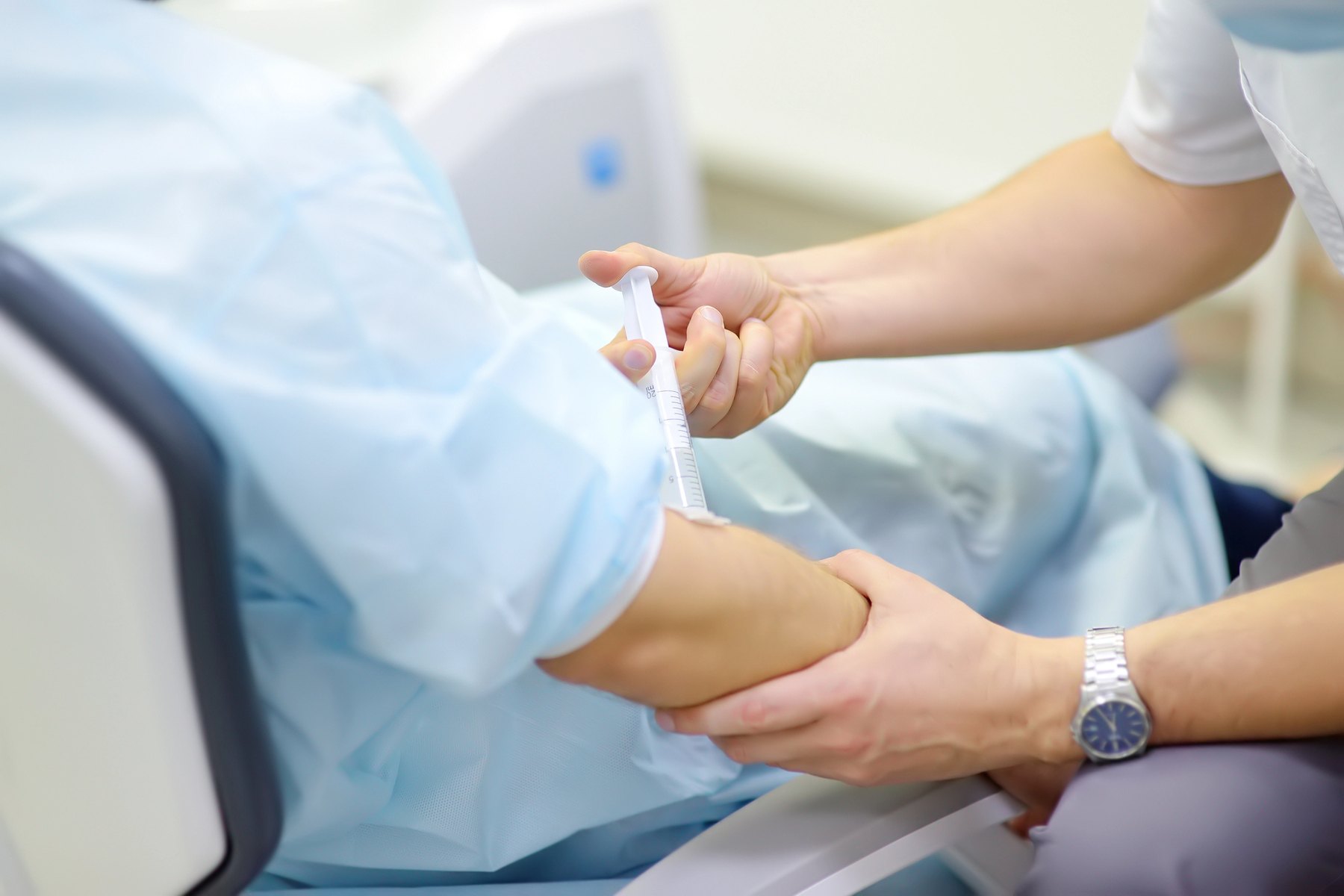
IV sedation is not simply a stronger comfort upgrade. It is a medical decision. The dentist or sedation provider must determine whether the planned procedure, your health history, medications, anxiety level, and other risk factors make IV sedation appropriate.
Who Might Ask About IV Sedation?
Patients consider IV sedation for different reasons. The fact that someone feels anxious does not automatically mean IV sedation is necessary, and a lengthy procedure does not automatically mean it is the best option.
- Significant dental anxiety that has made it difficult to receive needed care.
- A procedure expected to be difficult for the patient to tolerate with local anesthesia and behavioral comfort measures alone.
- A strong gag reflex or other clinical issue that interferes with treatment.
- A treatment plan involving procedures for which the provider determines IV sedation is appropriate.
- Previous difficulty completing dental care despite less intensive anxiety-management approaches.
Medical Screening Comes Before the Sedation Appointment
The sedation team needs an accurate medical history, medication list, allergies, previous anesthesia or sedation experiences, and information about conditions that could affect breathing, circulation, or medication response.
Do not stop prescribed medication, change doses, or alter a medical treatment plan on your own because you are scheduled for sedation. Follow the instructions provided by the treating clinician and any required medical coordination.
What Happens During IV Sedation?
An intravenous line is established so sedative medication can be administered according to the treatment plan. The patient’s level of responsiveness and vital signs are monitored according to the sedation level, applicable standards, and practice protocol.
Local anesthetic may still be used for pain control because sedation and local anesthesia serve different purposes. Sedation changes awareness and anxiety; it does not automatically replace local numbing of the treatment area.
Will You Be Completely Unconscious?
The answer depends on the intended depth of sedation and medications used. The phrase “IV sedation” can be used loosely by patients, but different levels of sedation have different definitions, monitoring requirements, and patient responses.
The treating provider should explain the intended sedation level, what you are likely to remember or respond to, and how the planned sedation differs from general anesthesia.
Preparation Instructions Are Not Optional
Fasting, medication, clothing, transportation, and arrival instructions depend on the sedation protocol and your medical situation. Follow the exact instructions supplied by Moss Dental Studio rather than relying on generic internet advice.
If you accidentally eat, drink, or take a medication outside the instructions you were given, tell the sedation team before treatment. Do not hide the information to avoid rescheduling; it can affect safety.
You Will Need a Recovery and Transportation Plan
Sedative effects can continue after the dental procedure ends. Driving, operating machinery, making important decisions, drinking alcohol, and returning immediately to normal activities may be restricted according to the medications and sedation level used.
The practice should provide case-specific instructions about a responsible adult escort, transportation, supervision, diet, medication, and when normal activities can resume. Those details must be confirmed before the appointment.
IV Sedation vs. Nitrous Oxide or Oral Sedation
Nitrous oxide, oral sedation, and IV sedation differ in route of administration, depth and predictability of effect, recovery considerations, monitoring, and the level of training required to provide them.
The most intensive option is not automatically the best option. The appropriate method should match the patient, procedure, anxiety level, health history, and provider’s clinical judgment.
IV Sedation Dentistry in Eden Prairie and Lakeville
Moss Dental Studio provides care from two Minnesota offices. Choose the location that works best for you when scheduling:
- Eden Prairie: 800 Prairie Center Dr, Suite 250, Eden Prairie, MN 55344 — call (952) 974-5116
- Lakeville: 18389 Orchard Trail, Lakeville, MN 55044 — call (612) 312-0087
For maps and office information, view the Moss Dental Studio locations or contact the dental team.
Questions Patients Ask
Is IV sedation the same as general anesthesia?
No. IV medication can be used for different sedation depths, while general anesthesia is a distinct state with different requirements. Ask the provider what level of sedation is planned.
Will I remember the dental procedure?
Memory varies with the medication, dose, sedation depth, and individual response. Do not assume complete amnesia unless the provider specifically explains what to expect.
Can I drive myself home after IV sedation?
Patients receiving IV sedation generally require transportation and recovery arrangements according to the practice’s protocol. Follow the exact instructions you are given.
Do I have to fast before IV sedation?
Fasting instructions depend on the sedation plan and clinical protocol. Follow the instructions from the treating provider rather than a generic online timeframe.
Can I take my normal medications before sedation?
Some medications may be continued while others require specific planning. Do not stop or change prescribed medications unless instructed by the treating clinician or coordinating medical provider.
Is IV sedation safe?
Sedation has risks, which is why appropriate patient selection, trained providers, monitoring, emergency preparedness, and adherence to preparation and recovery instructions are essential.
Dental Anxiety or a Complex Procedure Making Care Feel Out of Reach? Ask Whether IV Sedation Is Appropriate for You.
IV sedation can make selected dental care more manageable, but candidacy cannot be determined from anxiety level alone. Your health history, medications, procedure, sedation needs, and recovery plan all matter.
Contact Moss Dental Studio for a sedation consultation and confirm whether IV sedation is currently offered for your planned treatment, which location provides it, and what medical and transportation requirements apply.
Eden Prairie: 800 Prairie Center Dr, Suite 250 — Call (952) 974-5116
Lakeville: 18389 Orchard Trail — Call (612) 312-0087