

Root Canal
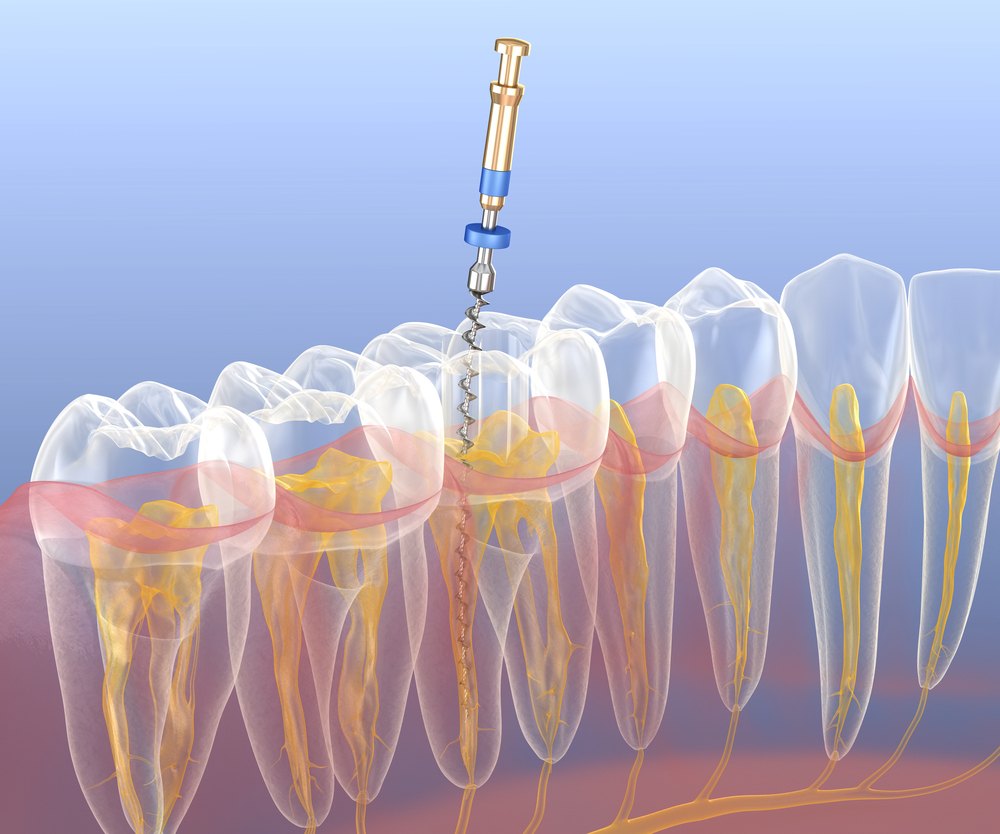
Root canal treatment is used when the soft tissue inside a tooth—the dental pulp—becomes inflamed, infected, or irreversibly damaged. Instead of removing the entire tooth, treatment removes diseased tissue from inside the root canal system so the tooth can be cleaned, sealed, and restored.
Tooth pain does not automatically mean you need a root canal. Cracks, gum problems, bite forces, sinus-related pain, and other conditions can cause similar symptoms. Diagnosis comes before treatment.
Why Might a Tooth Need Root Canal Treatment?
- Deep decay has reached or severely irritated the pulp.
- A crack or fracture has exposed or damaged internal tissues.
- A tooth has experienced trauma that affects the pulp.
- A large or repeated restoration has contributed to pulpal inflammation.
- Infection has developed inside the tooth or around the root.
Symptoms That Can Point to a Pulp or Root Problem
Symptoms can include persistent toothache, prolonged sensitivity to hot or cold, pain when biting, swelling, tenderness, or a pimple-like area on the gum. A tooth can also lose vitality with little or no pain, so symptoms alone do not determine whether root canal treatment is needed.
If you have facial swelling, rapidly increasing pain, fever with a dental infection, or another urgent concern, contact the practice promptly: emergency dental care
How Does a Dentist Determine Whether You Need a Root Canal?
The evaluation combines your symptom history with examination findings and appropriate diagnostic tests. The dentist may assess temperature response, biting or percussion sensitivity, gums around the tooth, existing restorations, and dental imaging.
The goal is to identify the source and determine whether the pulp can recover, whether root canal treatment is indicated, or whether another problem is responsible.
What Happens During Root Canal Treatment?
- The tooth is anesthetized and isolated to keep the treatment area clean.
- An opening is made to access the pulp chamber and root canals.
- Inflamed or infected tissue is removed and the canal system is cleaned and shaped.
- The canals are disinfected and sealed with root-filling material.
- The access is restored, and the tooth receives the final restorative protection appropriate for its condition.
Why Might a Crown Be Recommended After a Root Canal?
Some treated teeth have already lost substantial structure from decay, fractures, or previous restorations. Back teeth also experience significant chewing forces. A crown may be recommended when broader coverage is needed to protect the remaining tooth.
A crown is not automatic for every treated tooth. The recommendation should follow tooth location and remaining structure. Crown information: same-day dental crowns
What If the Tooth Develops Problems Later?
A previously treated tooth can develop new decay, fracture, leakage, or recurrent endodontic disease. The dentist then evaluates whether retreatment, endodontic surgery, restorative treatment, or extraction is appropriate.
Root Canal in Eden Prairie and Lakeville
Moss Dental Studio provides care from two Minnesota offices. Choose the location that works best for you when scheduling:
- Eden Prairie: 800 Prairie Center Dr, Suite 250, Eden Prairie, MN 55344 — call (952) 974-5116
- Lakeville: 18389 Orchard Trail, Lakeville, MN 55044 — call (612) 312-0087
For maps and office information, view the Moss Dental Studio locations or contact the dental team.
Questions Patients Ask
Is a root canal painful?
Local anesthetic is used during treatment. The tooth and surrounding tissues may be sore afterward, particularly if there was significant inflammation or infection beforehand.
Can antibiotics cure an infected tooth instead?
Antibiotics may be used in selected infections, especially when there are signs of spreading infection, but they do not remove infected or necrotic tissue from inside the root canal system.
How long does treatment take?
Timing varies with the tooth, number and anatomy of canals, infection, complexity, and whether treatment is completed in one or more visits.
Can a root canal fail?
A treated tooth can develop persistent or recurrent disease from untreated anatomy, leakage, new decay, fracture, or other problems.
Is extraction better than a root canal?
The treatments have different goals. Root canal treatment attempts to retain a restorable natural tooth; extraction removes it and may create a need for replacement.
Tooth Pain That Is Not Going Away? Find Out What Is Causing It.
Persistent pain, prolonged temperature sensitivity, swelling, or pain when biting can have more than one cause. You do not need to decide whether you need a root canal before you are examined.
Schedule an evaluation so Moss Dental Studio can identify the source of the problem and explain whether the tooth can be treated and retained.
Eden Prairie: 800 Prairie Center Dr, Suite 250 — Call (952) 974-5116
Lakeville: 18389 Orchard Trail — Call (612) 312-0087