
Dental Fillings
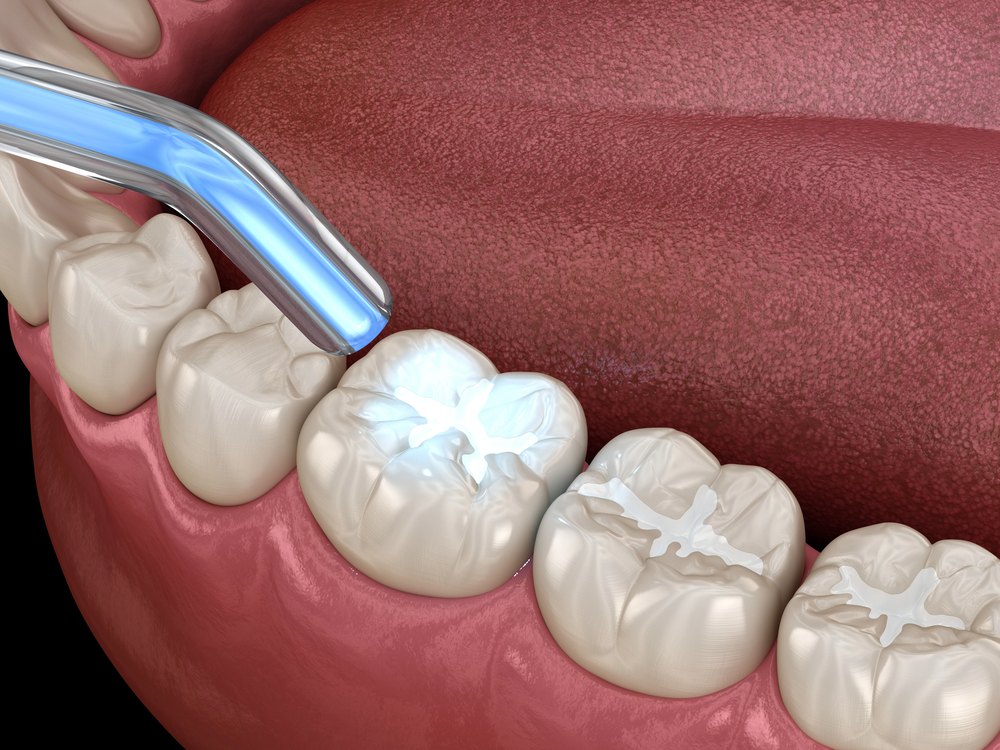
A dental filling repairs a limited area of tooth structure damaged by decay or a small fracture. The compromised portion is removed and restorative material is placed to rebuild the tooth’s shape and function.
A filling works best when enough healthy tooth remains to support it. When damage is extensive, simply making the filling larger may not be the most predictable way to protect the tooth.
How Do You Know If You Have a Cavity?
Some cavities cause sensitivity, discomfort with sweets, or a visible change. Others cause no symptoms and are identified during an examination or on appropriate X-rays. Sensitivity does not automatically mean a cavity, and absence of pain does not guarantee a tooth is decay-free.
What Happens During a Filling?
- Confirm the tooth and area needing treatment.
- Use local anesthetic when appropriate.
- Remove decayed or damaged structure while preserving sound tooth where possible.
- Prepare the tooth for the selected restorative material.
- Place, shape, finish, and check the filling against the opposing teeth.
Tooth-Colored Fillings and Restorative Materials
Restorative materials have different properties and uses. Tooth-colored composite resin is commonly used because it can be matched to natural tooth color and bonded to tooth structure. The appropriate material depends on the tooth, restoration size and location, bite forces, moisture control, appearance goals, and other clinical considerations.
Moss Dental Studio currently provides information about dental fillings on its website.
Filling or Crown?
A filling replaces a localized area. A crown covers and protects much more of the tooth. If decay, fracture, or an old restoration has removed substantial structure, another filling may not provide enough support.
When broader protection is needed, the dentist may discuss a dental crown instead. The decision should follow the condition of the tooth, not a preference for the more extensive treatment.
What If an Old Filling Breaks or Falls Out?
A lost or fractured filling leaves a previously restored tooth needing evaluation. Sometimes the filling can be replaced. In other cases, additional decay, fracture, or loss of structure changes the options.
Sensitivity After a Filling
Some teeth are temporarily sensitive after treatment. Contact the office if sensitivity is severe or increasing, your bite feels unusually high, or symptoms are not improving as expected.
Dental Fillings
Seamless Restoration for a Natural Smile
The Art of the Composite Filling
A filling at our studio is more than just a "patch"—it’s a precise anatomical restoration. We take the time to layer and sculpt the material to match the unique grooves of your tooth, ensuring your bite feels natural and your smile looks untouched.
Our Technology
A Calm, Comfortable Experience
We know that even a simple filling can cause anxiety. That’s why we’ve designed our process to be as soothing as possible. From our minimalist environment to our gentle clinical approach, we ensure you feel relaxed and cared for every step of the way.
Gentle Preparation
We remove only the damaged portion of the tooth using precision tools.
Precision Bonding
The composite resin is applied in layers and hardened with a specialized curing light.
Final Sculpting
We polish and shape the restoration to ensure a perfect fit within your bite.
Dental Fillings in Eden Prairie and Lakeville
Moss Dental Studio provides care from two Minnesota offices. Choose the location that works best for you when scheduling:
- Eden Prairie: 800 Prairie Center Dr, Suite 250, Eden Prairie, MN 55344 — call (952) 974-5116
- Lakeville: 18389 Orchard Trail, Lakeville, MN 55044 — call (612) 312-0087
For maps and office information, view the Moss Dental Studio locations or contact the dental team.
Questions Patients Ask
Do cavities always hurt?
No. Decay can develop without pain, especially before it reaches deeper structures.
Can a filling stop a cavity from getting worse?
A filling removes and restores tooth structure affected by decay, but future decay can still develop around the restoration or elsewhere.
How long do fillings last?
There is no guaranteed lifespan. Size, location, material, bite forces, hygiene, decay risk, and new damage all matter.
Can an old metal filling be replaced with a tooth-colored filling?
Sometimes, but replacement should be based on the condition of the restoration and tooth—not appearance alone.
How much does a filling cost?
Cost varies with the tooth, number and size of surfaces, material, and other treatment needs. Ask for a treatment-specific estimate.
Review dental insurance information and payment-plan information if helpful.
Dental Fillings FAQ
Your Questions, Answered
We believe that peace of mind is the foundation of great dental care. If you have questions about our boutique services or what to expect during your visit to our studio, we have gathered the answers here to help you feel completely at ease.
With proper care and regular visits to our studio, composite fillings typically last between 7 to 10 years. Because they bond directly to the tooth, they provide excellent structural support. Maintaining good oral hygiene and avoiding habits like ice-chewing will help maximize the lifespan of your restoration.
It’s common to feel some mild sensitivity to hot or cold for a few days after a filling is placed as the tooth adjusts. However, because our materials and techniques are designed to be minimally invasive, most patients find that any discomfort fades very quickly, leaving them with a fully functional, pain-free tooth.
While silver fillings were the standard for years, composite resins offer significant advantages for the modern patient. Beyond the obvious aesthetic benefit—they are invisible in the mouth—they require less removal of healthy tooth structure and don't expand or contract with temperature changes, which helps prevent future tooth fractures.
Worried You May Have a Cavity or Broken Filling?
Sensitivity, a dark spot, a chipped area, or a lost filling does not tell you by itself how much treatment the tooth needs.
Schedule an exam so Moss Dental Studio can determine whether the tooth can be repaired with a filling or needs a different level of protection.
Eden Prairie: 800 Prairie Center Dr, Suite 250 — Call (952) 974-5116
Lakeville: 18389 Orchard Trail — Call (612) 312-0087