

Endodontic Retreatment
A tooth that has already had root canal treatment can sometimes develop new symptoms or signs of disease months or years later. Endodontic retreatment is a second attempt to clean, disinfect, and seal the internal canal system so the natural tooth may still be retained.
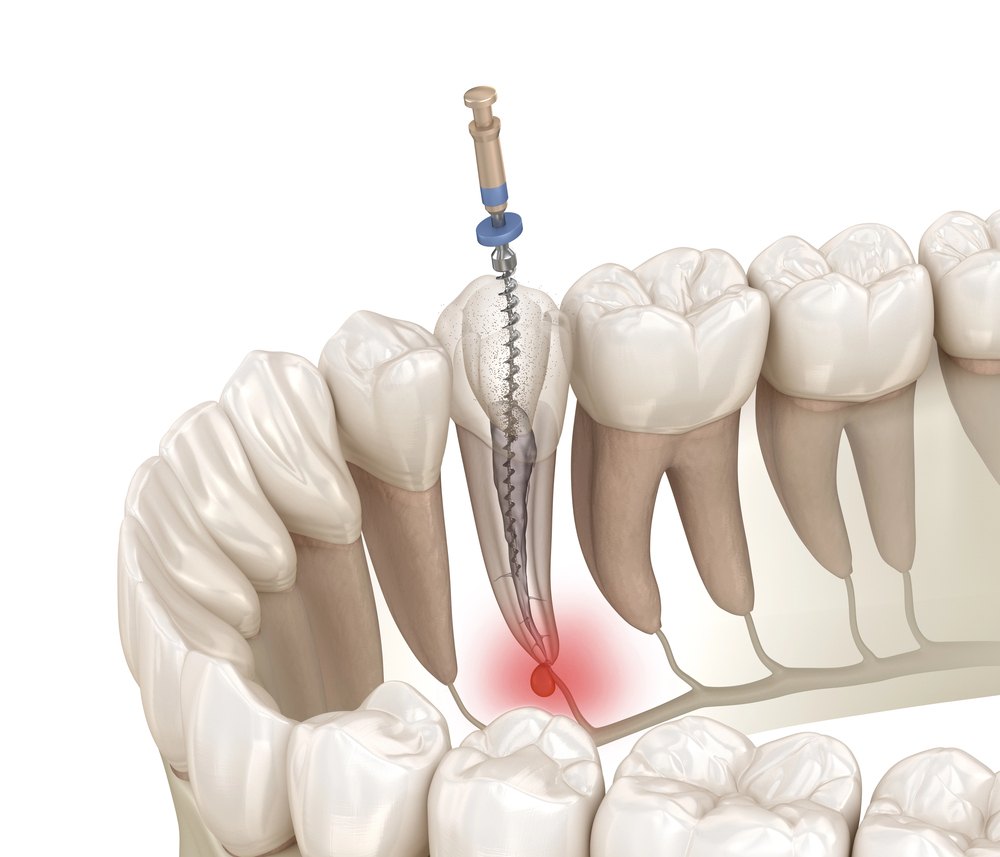
New pain does not automatically mean the previous root canal failed, and retreatment is not automatically the next step. The tooth first needs to be evaluated for the source of the problem and whether it remains structurally restorable.
Why Can a Root-Canal-Treated Tooth Need Treatment Again?
- A canal or complex area of the root system was difficult to identify or treat during the original procedure.
- A restoration did not protect the tooth as planned, allowing contamination to reach the canal system.
- New decay has developed around the tooth or restoration.
- A crown, filling, or tooth structure has cracked or become damaged.
- Persistent or recurrent infection is present around the root.
- Another structural problem is contributing to the symptoms.
Symptoms That Deserve Re-Evaluation
A previously treated tooth should be assessed if you develop new or recurring pain when biting, swelling, tenderness, drainage, a gum pimple near the tooth, or another persistent change. Some recurrent problems cause few symptoms and are identified on follow-up imaging.
For significant swelling or rapidly increasing pain, contact the practice promptly. Emergency dental information: emergency dental care
What Happens During a Retreatment Evaluation?
The dentist reviews the tooth’s history, current symptoms, previous treatment, and restoration. Clinical tests and appropriate imaging help determine whether the problem appears to come from the root canal system, a crack, the bite, the gums, or another source.
The condition of the remaining tooth matters as much as the condition inside the roots. Retreatment only makes sense when the tooth can be restored and maintained afterward.
What Happens During Retreatment?
- Access the internal canal system, sometimes through existing restorative material.
- Remove previous root-filling materials as needed.
- Clean and disinfect the canal system and accessible anatomy.
- Seal the canals again after treatment objectives are completed.
- Restore and protect the tooth according to how much structure remains.
Retreatment, Endodontic Surgery, or Extraction?
Not every previously treated tooth can or should be retreated. Endodontic surgery may be considered in selected cases. A severe fracture, inadequate remaining tooth structure, or another condition may make extraction more appropriate.
The decision should consider restorability, surrounding bone and gums, retreatment complexity, and what replacement would be needed if the tooth were removed.
The Final Restoration Still Matters
Retreatment addresses the inside of the tooth. The tooth still needs a restoration that protects it from contamination and chewing forces. Depending on the tooth and remaining structure, that may involve a filling, crown, or another approach. Crown information: same-day dental crowns
Endodontic Retreatment in Eden Prairie and Lakeville
Moss Dental Studio provides care from two Minnesota offices. Choose the location that works best for you when scheduling:
- Eden Prairie: 800 Prairie Center Dr, Suite 250, Eden Prairie, MN 55344 — call (952) 974-5116
- Lakeville: 18389 Orchard Trail, Lakeville, MN 55044 — call (612) 312-0087
For maps and office information, view the Moss Dental Studio locations or contact the dental team.
Questions Patients Ask
Does a tooth need retreatment just because it hurts after a root canal?
No. Pain can have several causes, and timing matters. The tooth should be evaluated before assuming recurrent infection.
Can a root canal be done twice on the same tooth?
Yes, selected teeth can undergo nonsurgical retreatment when the canal system can be accessed and the tooth remains appropriate to restore.
Is retreatment more complicated than the first root canal?
It can be. Existing root-filling materials, restorations, posts, altered anatomy, or previous procedural challenges can make access more complex.
What if there is a crown on the tooth?
Whether the crown can remain, needs modification, or requires replacement depends on its condition and the retreatment plan.
What if retreatment is not a good option?
The dentist may discuss endodontic surgery, extraction and tooth replacement, or another approach based on the diagnosis.
Root-Canal-Treated Tooth Bothering You Again?
Recurring pain, swelling, or a change around a previously treated tooth deserves a new diagnosis—not an automatic assumption that the tooth must be removed or treated again.
Schedule an evaluation so Moss Dental Studio can determine where the problem is coming from, whether the tooth can still be predictably restored, and which next step makes sense.
Eden Prairie: 800 Prairie Center Dr, Suite 250 — Call (952) 974-5116
Lakeville: 18389 Orchard Trail — Call (612) 312-0087