My Crown Came Off: What to Do Before Your Dental Appointment

If a dental crown comes off, keep the crown, avoid chewing on that tooth and call the dental office to arrange an evaluation. A crown that comes off in one piece can sometimes be cemented back on, but that depends on the condition of the tooth underneath and the crown itself. Do not glue the crown back with household adhesive, because that can damage the tooth and make proper repair harder. First Steps When a Crown Comes Off The first goal is to protect two things: the crown and the exposed tooth. These steps are practical for most situations while waiting to hear from the dental team. Find and save the crown. Rinse it gently and store it in a clean, sealed container or bag. The dentist will want to inspect it. Check that the crown did not go down the throat. If it cannot be found and there is any coughing, wheezing or trouble breathing, seek emergency medical care. Look at the area without poking it. Note whether any tooth piece came off with the crown, or whether the tooth looks broken. Call the dental office. Describe what happened, whether there is pain or swelling and whether the crown is intact. Chew on the other side. The uncovered tooth is weaker and more sensitive than usual, which is why hard, sticky and very hot or cold foods are best avoided. The emergency dental care team at the practice can advise on how soon the tooth should be seen, because that depends on the details described in the call. Should You Put the Crown Back On Yourself? The safest default is to keep the crown out and let the dentist reseat it. The Indian Dental Association’s dental emergency guidance advises against putting a crown back yourself when there is no discomfort and appearance is not a concern, and it specifically warns against super glue. Some professional guidance describes temporary reattachment with pharmacy dental cement for comfort or appearance. That should be done only after the dental team says it is appropriate for that specific tooth. A crown pushed on at the wrong angle can change the bite, trap debris against the tooth or be swallowed while sleeping. Household glue is the clearest “do not.” Super glue and similar adhesives are not designed for the mouth, can irritate the gums and can make it harder for the dentist to clean and reseat the crown. Why Do Crowns Come Off? Crowns usually come off because the bond between the crown and tooth has failed, and the reason behind that failure affects the repair. Common causes include: New decay at the edge of the crown that undermines the tooth Cement that has washed out or broken down over time A fracture in the tooth underneath the crown Sticky foods, hard foods or clenching and grinding forces A temporary crown, which is designed to come off more easily Crowns do not last forever. The Cleveland Clinic’s overview of dental crowns describes an average lifespan of about five to 15 years, depending on materials and care. A crown that comes off after many years may simply be due for evaluation and replacement. Can the Same Crown Be Re-Cemented? Sometimes. The dentist decides by examining both the crown and the tooth, because a crown can look perfect on the outside while the tooth beneath it has changed. What the dentist finds Possible next step Crown intact, tooth sound, good fit Clean and re-cement the existing crown Decay under the old crown Treat the decay, then usually a new crown Crown cracked or worn through Replacement crown Tooth fractured below the crown Rebuilding the tooth, a new crown or other options based on how much tooth remains Tooth sore, infected or nerve involved Further evaluation, which may include root canal treatment When a new crown is needed, a same-day crown is one option to ask about, although not every tooth or situation is suited to a single-appointment workflow. If a tooth is too damaged to support a crown, the dentist can explain other restorative dentistry options. When Is a Lost Crown Urgent? A lost crown is often uncomfortable rather than dangerous, but some signs call for prompt attention. Contact the dental office promptly if there is: Severe or worsening pain, or pain that keeps you awake Swelling in the gum, face or jaw A broken tooth with sharp edges cutting the tongue or cheek A crown that may have been swallowed or inhaled The ADA’s MouthHealthy guidance on dental emergencies advises calling the dentist as soon as possible and providing as much detail as you can, and visiting a local emergency room when the dental office is not open. Facial swelling with fever or difficulty breathing or swallowing needs emergency medical care. Frequently Asked Questions Is it a problem if a crown came off but nothing hurts? It still needs attention, even without pain. A tooth that has had a root canal may have little or no sensation, so a lack of pain does not mean the tooth is healthy. Uncovered tooth structure can chip, collect plaque and decay, and the neighboring teeth can shift slightly over time, which may stop the old crown from fitting again. What if a temporary crown came off? Call the office that placed it, because a temporary crown protects the prepared tooth and holds space for the final crown. Temporary crowns use weaker cement on purpose, so they come off more easily than permanent ones. Losing one is common, but the tooth can become sensitive and shift if it stays uncovered too long, which may affect how the final crown fits. Can you swallow a dental crown? Yes, crowns are sometimes swallowed, often while eating or sleeping. A crown that passes into the stomach is usually less concerning than one breathed into the airway. Call the dentist or a medical provider for advice, and seek emergency care right away for coughing, wheezing, choking or breathing trouble, because an inhaled object
Dental Care During Pregnancy: Cleanings, X-Rays and Fillings
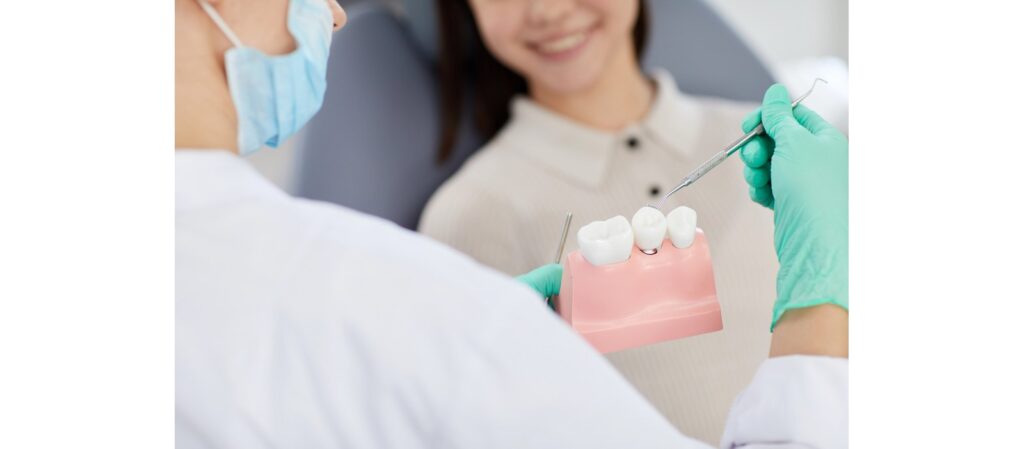
Yes, it is generally safe to see the dentist while pregnant. According to the American Dental Association (ADA) guidance for pregnant patients, checkups, diagnostic images, numbing injections and repairs such as fillings are appropriate in every trimester when clinically needed. What can change is timing for elective treatment, comfort during longer visits and medication or sedation choices, so the dentist needs to know about the pregnancy before treatment begins. Why Dental Visits Still Matter During Pregnancy Keeping scheduled checkups helps address the oral changes that can accompany pregnancy. Hormonal shifts can intensify gum inflammation from plaque. The ADA also highlights cavities and acid-related enamel damage as concerns, particularly when nausea disrupts brushing or vomiting becomes frequent. Leaving these problems alone does not make them disappear. A small cavity or inflamed gum line that is found at a routine visit is usually simpler to manage than a painful problem discovered weeks later, which is why a cleaning and exam during pregnancy is preventive rather than optional. ACOG, the professional college for obstetricians, reaffirmed its dental-health committee opinion in 2025. It asks obstetric clinicians to reassure patients that dental visits are both safe and worthwhile. Dental and obstetric groups therefore agree. Are Dental Cleanings Safe During Each Trimester? Routine dental cleanings and checkups are appropriate whether a patient is early, midway or late in pregnancy. No trimester is officially “off limits” for preventive care, so a cleaning that is due does not need to wait for a specific week. Comfort is the more practical question. Nausea and a stronger gag reflex can make early pregnancy visits harder, while lying back for a long time can feel uncomfortable later on. Telling the hygienist about these issues allows breaks, position changes and shorter appointments where that helps. Bleeding gums call for an assessment, not an automatic deep cleaning. If the examination identifies periodontitis, scaling and root planing may be appropriate. The ADA supports treating this gum disease during pregnancy rather than allowing it to worsen. Are Dental X-Rays Safe While Pregnant? When a dentist needs an image to diagnose a problem, an X-ray can be taken in any trimester. The ADA’s guidance also states that abdominal and thyroid shielding is no longer recommended for pregnant patients, reflecting current dental radiography recommendations on how low the exposure from dental imaging is. That does not mean every routine image must be taken. The dentist decides which dental X-rays are useful based on symptoms, history and timing. An image may be appropriate for a painful tooth, while a routine set might reasonably wait if nothing suggests a problem. Saying “I am pregnant” at check-in is the simplest way to make sure imaging decisions account for the pregnancy, because the decision should be made deliberately rather than by default. Can You Get a Filling or Other Needed Treatment While Pregnant? Yes. A necessary filling, root canal or extraction does not automatically have to wait until after delivery. Professional dental and obstetric guidance supports treating active disease during pregnancy; allowing a cavity or infection to advance can make the eventual procedure more involved. Pregnancy does not require having a filling without numbing. The ADA supports using local anesthesia, including lidocaine preparations that contain epinephrine, when appropriate. The dentist still reviews your health history before choosing the medication. Do not use trimester alone to decide whether to postpone needed treatment. An infection or fracture needs assessment even in the first or final weeks. For a longer non-urgent visit, nausea and tolerance of a reclined position can influence scheduling. Treatment Timing at a Glance Type of dental care Usual approach during pregnancy What may affect timing Cleanings and exams Continue as scheduled in any trimester Nausea, gag reflex, comfort lying back Diagnostic X-rays Taken when clinically needed Symptoms and whether results would change care now Fillings, extractions, root canals Not postponed when needed to treat disease Severity, comfort, obstetric guidance for high-risk pregnancies Elective cosmetic treatment Often discussed for after delivery Personal preference and the dentist’s recommendation What Dental Treatments Might Be Adjusted or Postponed? Elective cosmetic work, such as professional teeth whitening, is commonly discussed for after pregnancy because it is not treating disease. Postponing it costs nothing in oral health terms, which is why many patients and dentists choose to wait. Sedation needs a separate discussion from local numbing. Because of pregnancy-related concerns, the ADA advises avoiding nitrous oxide exposure while expecting. Patients who usually rely on nitrous oxide sedation for anxiety should raise this before the appointment so another comfort plan can be considered. Pain relief after treatment can also need a conversation. The ADA suggests choosing post-treatment pain relievers together with the obstetrician, since advice about some familiar over-the-counter options has shifted. What to Tell the Dental Team Before Your Appointment Sharing a few details up front makes the visit safer and more comfortable, because the dentist can only plan around information the team actually has. How far along the pregnancy is and the expected due date Whether the pregnancy has been described as high-risk Any medications, prenatal vitamins or supplements Nausea, vomiting or a strong gag reflex New gum bleeding, swelling or tooth sensitivity The ADA also suggests dentists may contact the obstetrician when questions arise, such as for a high-risk pregnancy or a recommended pain medication. Bringing the obstetrician’s contact information can make that coordination faster. Patients of Moss Dental Studio can review insurance information before the visit, because dental benefits can affect how preventive care and needed treatment are scheduled. Frequently Asked Questions Is it safe to brush right after vomiting from morning sickness? It is better to wait instead of brushing immediately. Acid from the stomach leaves enamel temporarily soft, so scrubbing it straight away can remove more surface. The ADA recommends an acid-neutralizing rinse: mix 1 teaspoon baking soda into 1 cup water. Resume fluoride-toothpaste brushing later rather than skipping it, especially when vomiting happens repeatedly. What is the small red growth on the gums some pregnant patients notice? It may
Dental Fillings 101: Answering FAQs
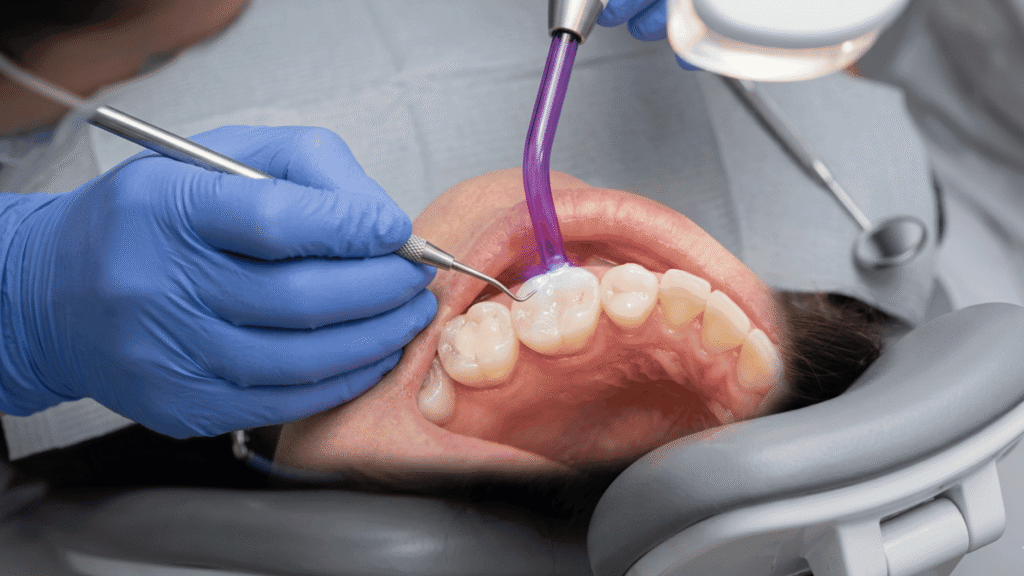
Dental fillings are a common dental procedure used to restore teeth that have been damaged by decay or trauma. If you have questions about dental fillings, you are not alone. In this blog, we will answer some frequently asked questions from our patients at Moss Dental. What are dental fillings made of?Dental fillings can be made from different materials, including amalgam, gold, ceramic, and composite resin. Amalgam Fillings Amalgam fillings are made of a mixture of metals, including mercury, silver, tin, and copper. They are strong and durable and can last up to 15 years. However, they are less popular than other types of dental fillings due to concerns about the safety of mercury in dental amalgam. Photo Credits to @faverodental Gold Fillings Gold fillings are made of gold alloy and are the most durable and long-lasting dental fillings, lasting up to 20 years or more. They are also expensive and not as aesthetically pleasing as other types of dental fillings. Photo Credits to Centre Dentaire Pierrefonds Ceramic Fillings Ceramic fillings are made of porcelain and are tooth-colored, making them a popular choice for people who want a natural-looking smile. They are also durable and can last up to 15 years. However, they are more expensive than amalgam fillings. Photo Credits to Jamestowne South Dental Composite Fillings Composite fillings are made of a mixture of glass and resin and are the most popular type of dental filling. They are tooth-colored and can blend in with natural teeth, making them a popular choice for people who want a natural-looking smile. They are also strong and durable and can last up to 10 years with proper care.Photo Credits to Essential Dentistry How long do dental fillings last?The longevity of dental fillings depends on several factors, including the type of filling, the location of the filling, and the oral hygiene practices of the individual. Gold fillings are the most durable and long-lasting, with a lifespan of up to 20 years or more. Ceramic and amalgam fillings can last up to 15 years, while composite fillings can last up to 10 years.Does getting a dental filling hurt? Getting a dental filling should not be painful. Before the procedure, the dentist will numb the area around the tooth with a local anesthetic. Some people may experience some discomfort or sensitivity after the procedure, but this should go away after a few days. How do I take care of my dental fillings?Taking care of your dental fillings is similar to taking care of your natural teeth. Brush your teeth twice a day with fluoride toothpaste, floss daily, and use an antiseptic mouthwash. Avoid chewing on hard objects or using your teeth to open bottles, as this can damage the filling. Can I eat normally after getting a dental filling?After getting a dental filling, you may experience some sensitivity to hot, cold, or sweet foods and drinks. This is normal and should go away after a few days. You can eat normally after getting a dental filling, but you should avoid chewing on hard or sticky foods that can damage the filling. Can dental fillings fall out?Dental fillings can fall out if they become loose or damaged. This can happen if you chew on hard objects or use your teeth to open bottles. If your dental filling falls out, contact your dentist immediately. They can replace the filling and prevent further damage to the tooth. Understanding the different types of dental fillings available and how to properly care for them can help you maintain good oral health and avoid further dental problems. At Moss Dental, we offer high-quality composite dental fillings that are durable, natural-looking, and long-lasting. If you have any questions or concerns about dental fillings, contact us today at (952) 974-5116 or Schedule online. Our team of experienced and compassionate dentists are here to provide you with the information and care you need to keep your teeth healthy and strong.
Moss Dental Studio: Your Trusted Partner for Dental Checkups and Cleanings
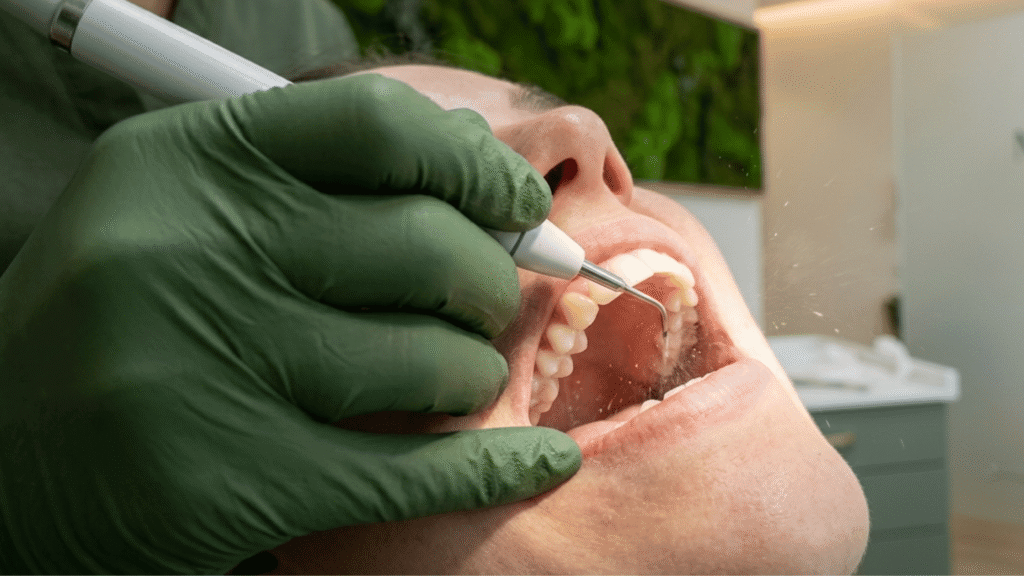
Moss Dental Studio has been serving the local community of Eden Prairie since 2004 and just recently opened its doors in Lakeville, Minnesota. Led by Dr. Kevin Molldrem, the clinic offers a comprehensive range of dental services, including routine checkups and cleanings. What is included in a dental checkup at Moss Dental Studio? A dental checkup at Moss Dental Studio is a comprehensive evaluation of your oral health. Dr. Molldrem and his team will review your medical history and discuss any conditions that may affect your oral health. They will also perform an oral cancer screening to detect any signs of cancer in your mouth or throat. Additionally, the team will evaluate your temporomandibular joint (TMJ) and analyze your occlusion to determine the correct orientation of your bite. This step is crucial to ensure that you don’t experience any problems with your jaw or teeth in the future. During the checkup, the team will also evaluate the health of your teeth. This evaluation includes checking for cavities, erosion, and attrition. They will also evaluate the aesthetics of your smile, ensuring that your teeth are healthy and visually appealing. Furthermore, they will evaluate your bone support and health, which is critical for maintaining strong teeth and healthy gums. In addition to evaluating your teeth, the team will also assess your gingival and periodontal health. This evaluation includes checking for any signs of gum disease, such as inflammation or bleeding. They will also evaluate any dental restorations you have, such as fillings or crowns, to ensure that they are healthy, fit correctly, and have the proper contours. The team will also take X-rays, ranging from traditional cavity detecting X-rays to three-dimensional jaw scans. These X-rays provide a detailed view of your teeth, jawbone, and other structures, allowing Dr. Molldrem to identify any potential issues that may not be visible during the checkup. Finally, the cleaning process includes removing plaque and tartar buildup from your teeth using special instruments and polishing them to leave your teeth feeling smooth and clean. The dental hygienist will also provide education on proper oral hygiene techniques and recommend the best oral care products for your specific needs. How long does a dental checkup and cleaning take at Moss Dental Studio? The duration of a dental checkup and cleaning at Moss Dental Studio varies depending on your specific needs and the complexity of the examination. On average, a dental checkup and cleaning at our clinic takes about 40-90 minutes depending on the health of your teeth. How much does a dental checkup and cleaning cost at Moss Dental Studio? The cost of a dental checkup and cleaning at Moss Dental Studio depends on several factors, such as the extent of cleaning required and the number of X-rays needed. However, we strive to provide affordable dental care to our patients and offer flexible payment options. We also work with most dental insurance providers to ensure that our patients receive the coverage they need. How often should you get a dental checkup and cleaning at Moss Dental Studio? Maintaining good oral health is essential, and regular dental checkups and cleanings are crucial to achieving it. At Moss Dental Studio, it is recommended to get a dental checkup and cleaning every six months. This frequency is generally sufficient for most people to maintain good oral health. However, if you have a history of gum disease, tooth decay, or other oral health problems, Dr. Molldrem may recommend more frequent visits to ensure that any issues are detected and treated early on. Typically the cost ranges from $150-250. Moreover, as part of our commitment to providing excellent dental care, Moss Dental Studio is currently offering a Whitening for Life program to new patients in Eden Prairie and Lakeville. This program provides safe and effective whitening products to patients who commit to regular cleaning and checkups every six months. Missing regular hygiene appointments will result in the termination of current whitening-for-life refills, and patients will need to pay $99 to renew the program. Additionally, if patients lose their trays, they will incur a $199 fee to receive a replacement. By participating in the Whitening for Life program, patients not only get a brighter, more confident smile but also ensure that they receive regular dental checkups and cleanings, which are essential for maintaining good oral health. This program is just one example of how Moss Dental Studio goes above and beyond to provide quality dental care and support to our patients. What are the benefits of regular dental checkups and cleanings at Moss Dental Studio? Regular dental checkups and cleanings at Moss Dental Studio offer several benefits, including: Moss Dental Studio is your trusted partner for dental checkups and cleanings in Eden Prairie and Lakeville. Led by Dr. Kevin Molldrem, our clinic offers comprehensive dental services, including routine checkups and cleanings, to help you maintain good oral health and overall well-being. Schedule an appointment with us today to experience the difference that personalized, quality dental care can make. Call (952) 974-5116 or visit our Eden Prairie clinic near Costco and Lakeville clinic near Target.
A Comprehensive Guide to Understanding Tooth Extraction
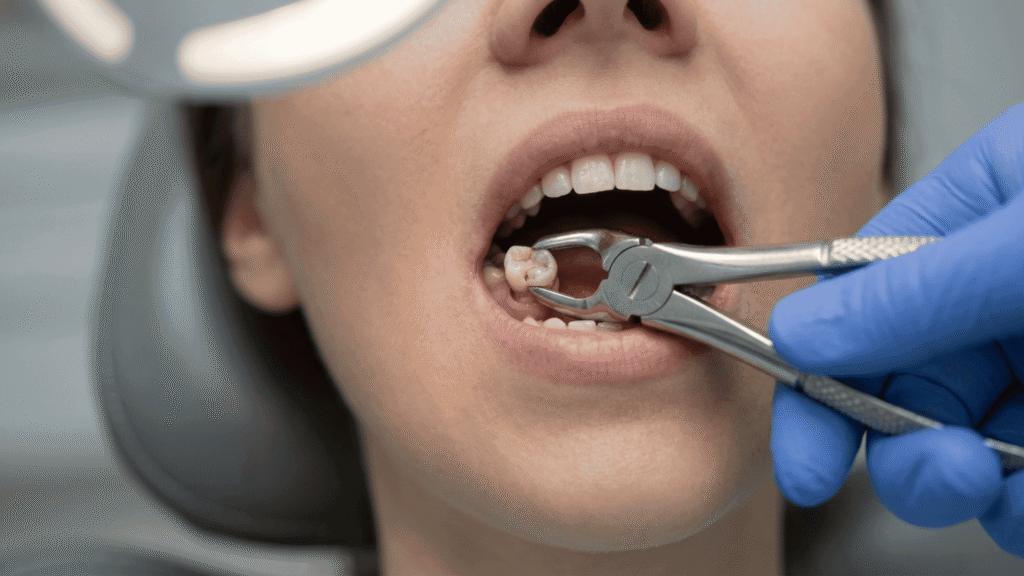
Tooth extraction is a common dental procedure that is performed when a tooth is beyond repair due to damage or decay. Although the thought of tooth extraction can be unsettling for some patients, it is a necessary treatment that can improve your overall dental health. In this article, we will provide you with a comprehensive guide to understanding tooth extraction and answer some common questions. Signs You May Need to Get Teeth Extraction There are several signs that indicate you may need to get a tooth extracted, such as severe tooth decay, gum disease, or a tooth that is broken beyond repair. Additionally, if you have overcrowding of teeth or impacted wisdom teeth that are causing pain or infection, your dentist may recommend extraction. It is important to schedule an appointment with your dentist if you experience any of these signs. The Procedure and Pain Level The tooth extraction procedure involves numbing the area with a local anesthetic to minimize pain and discomfort. Depending on the complexity of the extraction, the procedure can take anywhere from a few minutes to an hour. After the procedure, you may experience some swelling and discomfort for a few days. Your dentist will provide you with aftercare instructions to help manage any discomfort. Are There Alternatives to Tooth Extraction? In some cases, tooth extraction can be avoided with alternative treatments such as fillings, crowns, or root canals. Your dentist will recommend the best treatment option for your specific dental needs. Will My Insurance Cover the Cost of Tooth Extraction? The cost of tooth extraction can vary depending on the complexity of the procedure and your dental insurance coverage. It is important to check with your insurance provider to see if tooth extraction is covered under your plan. Can You Get Tooth Extraction While on Period? Is It Safe for Pregnant Women? Yes, tooth extraction can be performed during a menstrual cycle. As for pregnant women, tooth extraction is generally safe during the second trimester. However, it is important to inform your dentist if you are pregnant or trying to conceive before undergoing any dental procedure. When Can I Eat Solid Food After Tooth Extraction? After tooth extraction, it is important to allow the blood clot to form in the socket to promote healing. It is recommended to stick to a soft food diet for the first few days after the procedure, gradually introducing solid foods as your mouth heals. This will help prevent any discomfort or irritation to the socket. Your dentist will provide you with specific aftercare instructions and recommend the best time to resume a regular diet. In general, it is best to avoid hard, crunchy, or sticky foods until the socket has fully healed. What is Sedation Tooth Extraction? Sedation tooth extraction involves the use of sedatives to help patients relax and reduce pain and discomfort during the procedure. Sedation can be administered in different ways, such as oral sedation, inhalation sedation, or intravenous (IV) sedation, depending on the patient’s needs and the complexity of the extraction. This type of extraction is typically recommended for patients who experience anxiety or fear about dental procedures or for complex extractions. At Moss Dental, we understand that tooth extraction can be a daunting experience for some patients. However, our team is committed to providing you with the best possible care and ensuring the process is as comfortable and stress-free as possible. If you are experiencing any signs that indicate you may need a tooth extraction, we encourage you to schedule an appointment online or call us at (952) 974-5116 to discuss your options. We have offices in Eden Prairie and Lakeville, Minnesota waiting to cater to your dental needs. With proper aftercare and guidance from your dentist, you can heal quickly and get back to your normal routine in no time.