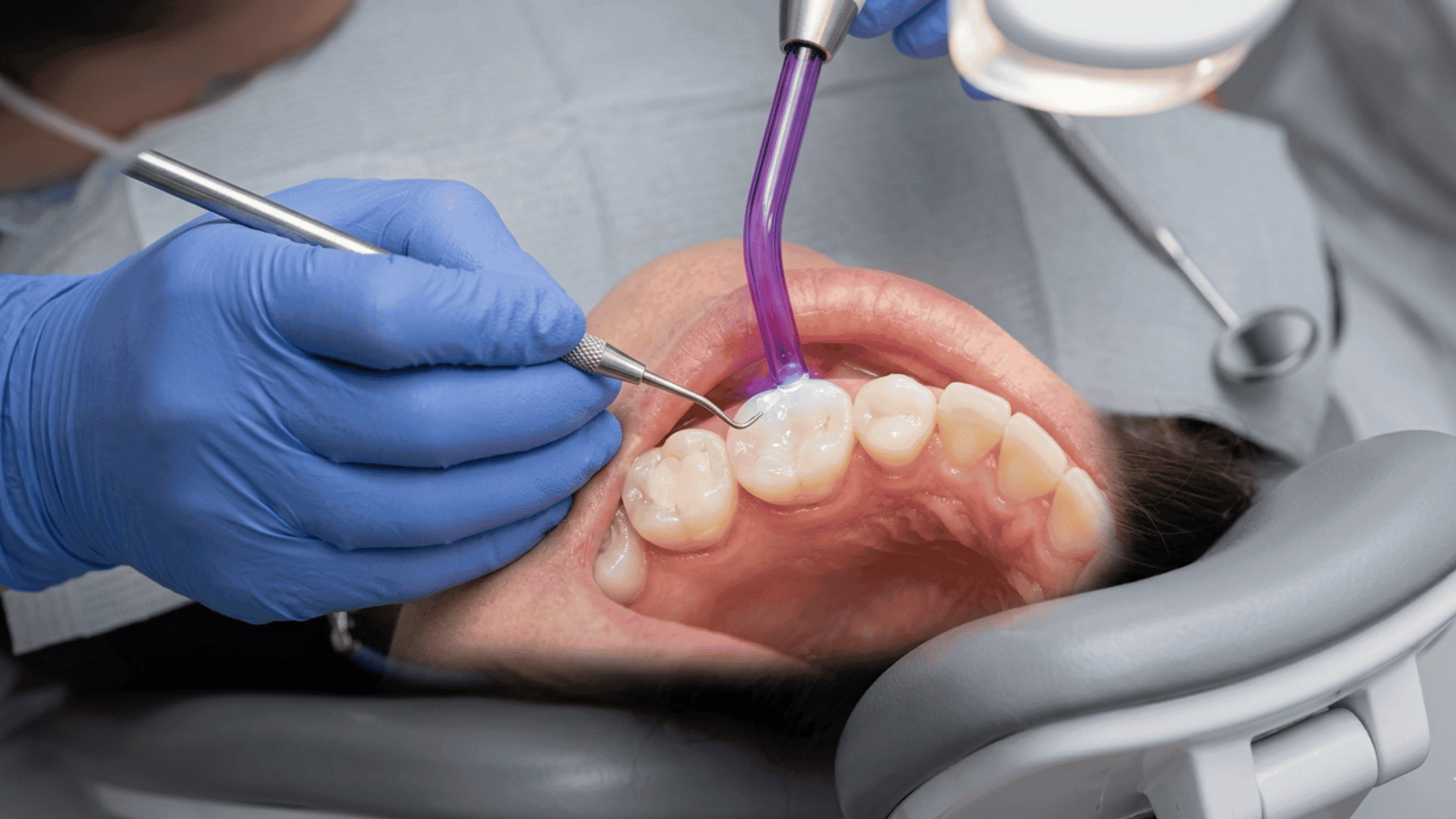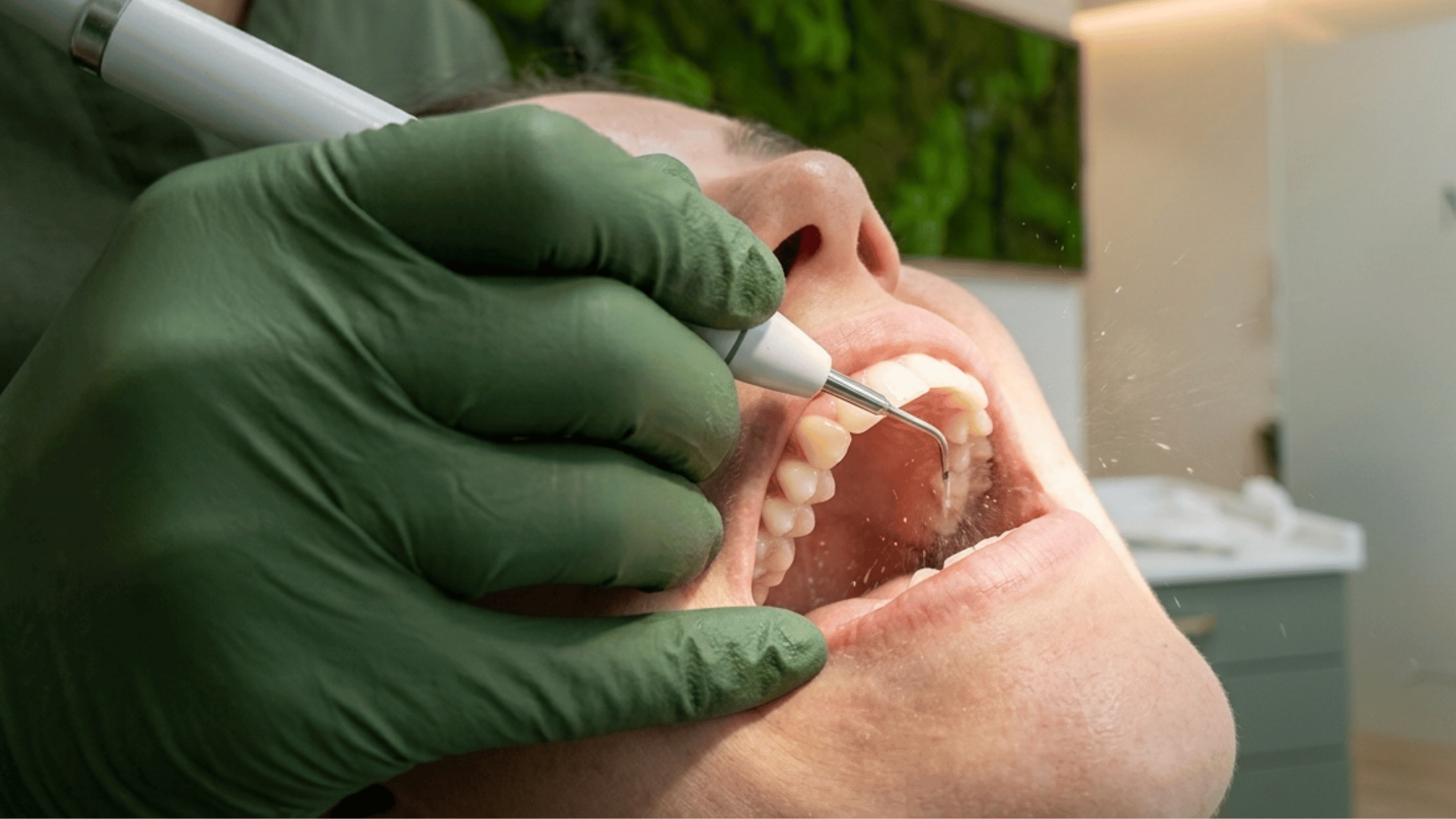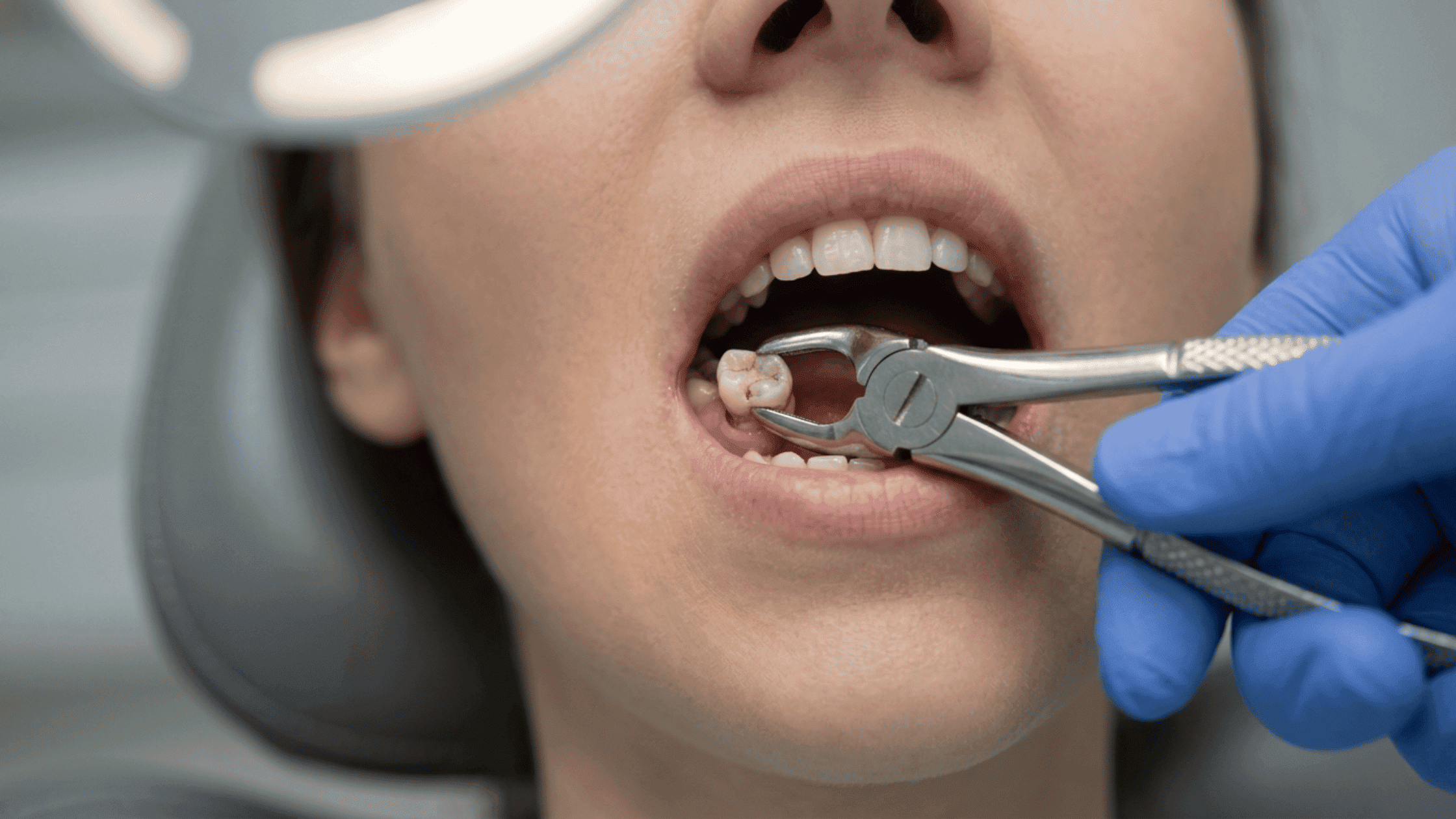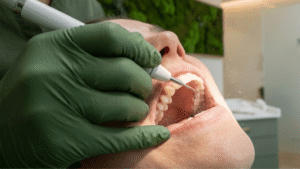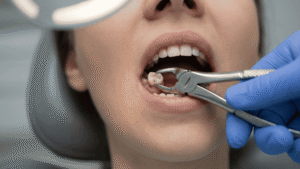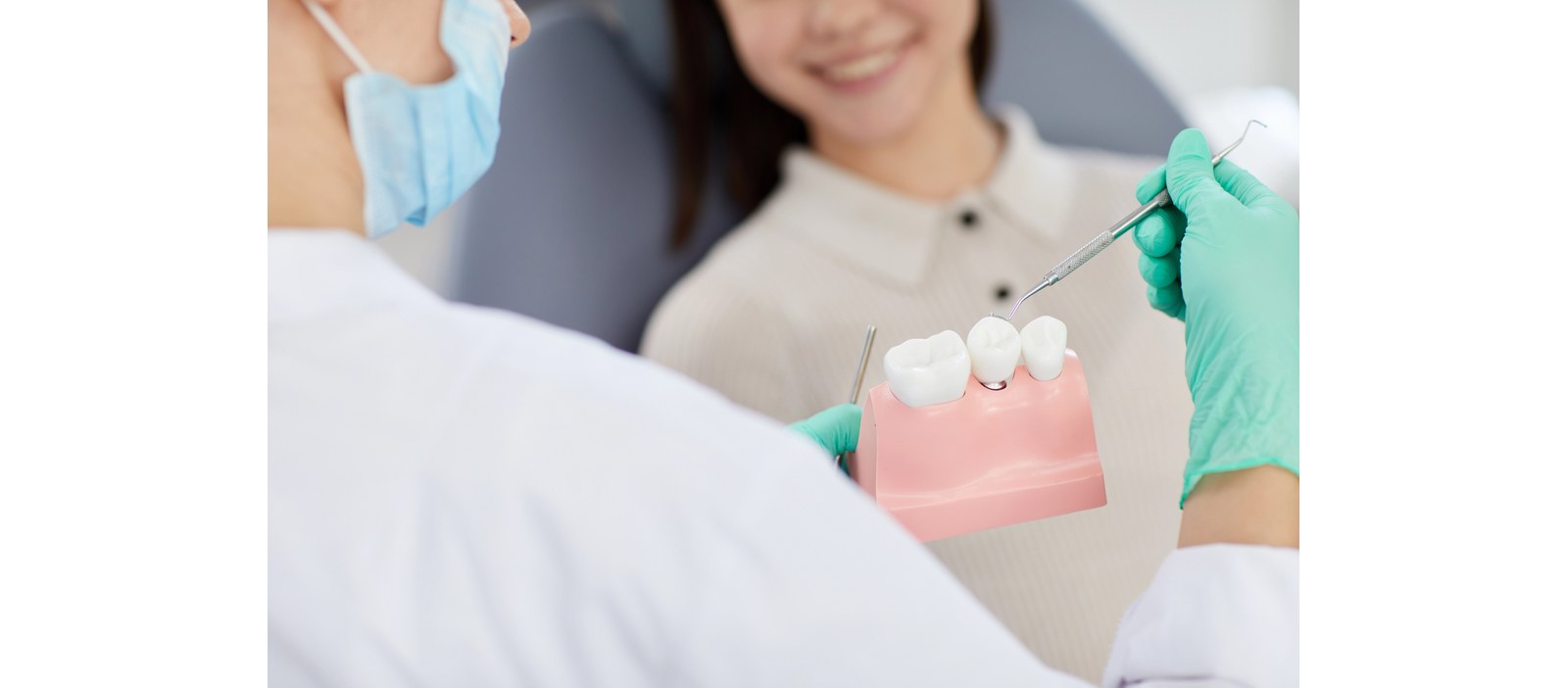
Yes, it is generally safe to see the dentist while pregnant. According to the American Dental Association (ADA) guidance for pregnant patients, checkups, diagnostic images, numbing injections and repairs such as fillings are appropriate in every trimester when clinically needed. What can change is timing for elective treatment, comfort during longer visits and medication or sedation choices, so the dentist needs to know about the pregnancy before treatment begins.
Why Dental Visits Still Matter During Pregnancy
Keeping scheduled checkups helps address the oral changes that can accompany pregnancy. Hormonal shifts can intensify gum inflammation from plaque. The ADA also highlights cavities and acid-related enamel damage as concerns, particularly when nausea disrupts brushing or vomiting becomes frequent.
Leaving these problems alone does not make them disappear. A small cavity or inflamed gum line that is found at a routine visit is usually simpler to manage than a painful problem discovered weeks later, which is why a cleaning and exam during pregnancy is preventive rather than optional.
ACOG, the professional college for obstetricians, reaffirmed its dental-health committee opinion in 2025. It asks obstetric clinicians to reassure patients that dental visits are both safe and worthwhile. Dental and obstetric groups therefore agree.
Are Dental Cleanings Safe During Each Trimester?
Routine dental cleanings and checkups are appropriate whether a patient is early, midway or late in pregnancy. No trimester is officially “off limits” for preventive care, so a cleaning that is due does not need to wait for a specific week.
Comfort is the more practical question. Nausea and a stronger gag reflex can make early pregnancy visits harder, while lying back for a long time can feel uncomfortable later on. Telling the hygienist about these issues allows breaks, position changes and shorter appointments where that helps.
Bleeding gums call for an assessment, not an automatic deep cleaning. If the examination identifies periodontitis, scaling and root planing may be appropriate. The ADA supports treating this gum disease during pregnancy rather than allowing it to worsen.
Are Dental X-Rays Safe While Pregnant?
When a dentist needs an image to diagnose a problem, an X-ray can be taken in any trimester. The ADA’s guidance also states that abdominal and thyroid shielding is no longer recommended for pregnant patients, reflecting current dental radiography recommendations on how low the exposure from dental imaging is.
That does not mean every routine image must be taken. The dentist decides which dental X-rays are useful based on symptoms, history and timing. An image may be appropriate for a painful tooth, while a routine set might reasonably wait if nothing suggests a problem.
Saying “I am pregnant” at check-in is the simplest way to make sure imaging decisions account for the pregnancy, because the decision should be made deliberately rather than by default.
Can You Get a Filling or Other Needed Treatment While Pregnant?
Yes. A necessary filling, root canal or extraction does not automatically have to wait until after delivery. Professional dental and obstetric guidance supports treating active disease during pregnancy; allowing a cavity or infection to advance can make the eventual procedure more involved.
Pregnancy does not require having a filling without numbing. The ADA supports using local anesthesia, including lidocaine preparations that contain epinephrine, when appropriate. The dentist still reviews your health history before choosing the medication.
Do not use trimester alone to decide whether to postpone needed treatment. An infection or fracture needs assessment even in the first or final weeks. For a longer non-urgent visit, nausea and tolerance of a reclined position can influence scheduling.
Treatment Timing at a Glance
| Type of dental care | Usual approach during pregnancy | What may affect timing |
|---|---|---|
| Cleanings and exams | Continue as scheduled in any trimester | Nausea, gag reflex, comfort lying back |
| Diagnostic X-rays | Taken when clinically needed | Symptoms and whether results would change care now |
| Fillings, extractions, root canals | Not postponed when needed to treat disease | Severity, comfort, obstetric guidance for high-risk pregnancies |
| Elective cosmetic treatment | Often discussed for after delivery | Personal preference and the dentist’s recommendation |
What Dental Treatments Might Be Adjusted or Postponed?
Elective cosmetic work, such as professional teeth whitening, is commonly discussed for after pregnancy because it is not treating disease. Postponing it costs nothing in oral health terms, which is why many patients and dentists choose to wait.
Sedation needs a separate discussion from local numbing. Because of pregnancy-related concerns, the ADA advises avoiding nitrous oxide exposure while expecting. Patients who usually rely on nitrous oxide sedation for anxiety should raise this before the appointment so another comfort plan can be considered.
Pain relief after treatment can also need a conversation. The ADA suggests choosing post-treatment pain relievers together with the obstetrician, since advice about some familiar over-the-counter options has shifted.
What to Tell the Dental Team Before Your Appointment
Sharing a few details up front makes the visit safer and more comfortable, because the dentist can only plan around information the team actually has.
- How far along the pregnancy is and the expected due date
- Whether the pregnancy has been described as high-risk
- Any medications, prenatal vitamins or supplements
- Nausea, vomiting or a strong gag reflex
- New gum bleeding, swelling or tooth sensitivity
The ADA also suggests dentists may contact the obstetrician when questions arise, such as for a high-risk pregnancy or a recommended pain medication. Bringing the obstetrician’s contact information can make that coordination faster.
Patients of Moss Dental Studio can review insurance information before the visit, because dental benefits can affect how preventive care and needed treatment are scheduled.
Frequently Asked Questions
Is it safe to brush right after vomiting from morning sickness?
It is better to wait instead of brushing immediately. Acid from the stomach leaves enamel temporarily soft, so scrubbing it straight away can remove more surface. The ADA recommends an acid-neutralizing rinse: mix 1 teaspoon baking soda into 1 cup water. Resume fluoride-toothpaste brushing later rather than skipping it, especially when vomiting happens repeatedly.
What is the small red growth on the gums some pregnant patients notice?
It may be a pyogenic granuloma, sometimes called a pregnancy tumor, although it is not cancer. The ADA describes it as a rounded lump hanging from the gum on a narrow stalk, linked to pregnancy hormones. Any new lump, sore or bleeding area should still be examined by a dentist, because only an examination can identify what it is and whether treatment is needed.
Can a dentist prescribe antibiotics during pregnancy?
Yes. Pregnancy-compatible antibiotics are available if the dentist identifies a reason to prescribe one. ADA medication guidance includes penicillin and amoxicillin among the possibilities. Allergies, the infection and your medical history determine the choice. An examination is still necessary; leftover medication cannot establish the cause of dental pain or replace treatment of an infected tooth.
Should dental care continue while breastfeeding?
Yes, routine care can continue while nursing. Tell the dentist about breastfeeding before treatment or a new prescription. The ADA identifies LactMed, a federal reference about medicines and lactation, as a resource for checking individual drugs. Medication decisions require that individual review rather than a blanket rule for every dental prescription.
Does pregnancy cause tooth loss?
Pregnancy does not automatically cause tooth loss, despite the old saying about losing a tooth for every baby. Gum inflammation, cavities and erosion can become more likely during pregnancy, and these problems can damage teeth if they are not managed. Regular cleanings, fluoride toothpaste and prompt care for symptoms help protect the teeth, because the risk comes from untreated disease rather than pregnancy itself.
Planning Dental Care During Pregnancy with Moss Dental Studio
Moss Dental Studio provides general and preventive dental care from offices in Eden Prairie and Lakeville, Minnesota. To plan a cleaning, exam or needed treatment around your pregnancy, contact Moss Dental Studio and mention how far along you are when you schedule.
For directions, view the Eden Prairie office on Google or call (952) 974-5116. For the Lakeville office, view the Lakeville location on Google or call (612) 312-0087.