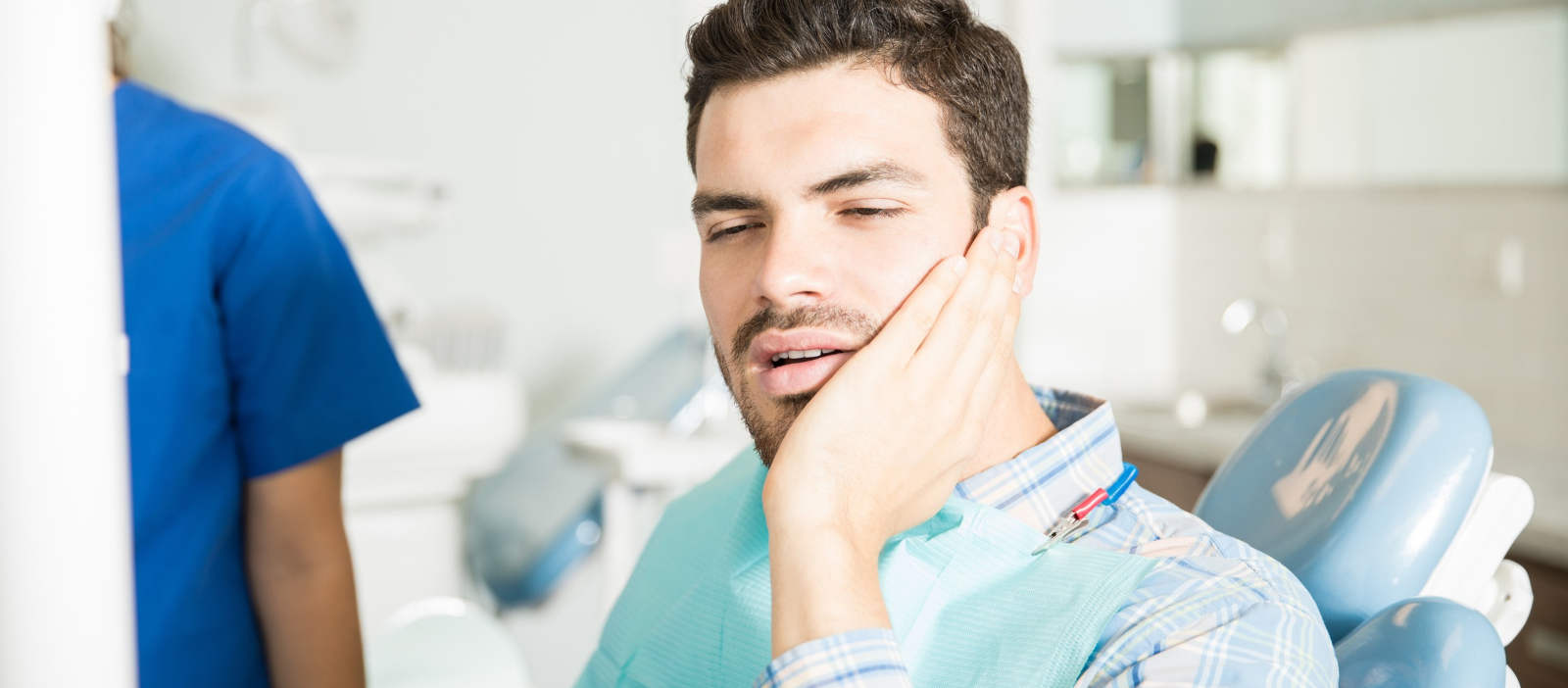
Dental emergencies keep poor hours. A molar splits on a popcorn kernel during a Friday film, or a child takes a hockey stick to the mouth on a Saturday morning. For families looking for an emergency dentist in Lakeville, MN, the first minutes matter. Knowing what counts as urgent, and what to do before you arrive, can protect a tooth that might otherwise be lost.
What Qualifies as a Dental Emergency?
The definition is broader than many people assume, yet narrower than every twinge. In practical terms, it is any problem likely to worsen without timely attention, whether through pain, infection, injury, bleeding, or further damage. Time, in these cases, is part of the treatment.
Pain that refuses to ease belongs on that list. So does bleeding that will not stop, swelling in the face, an injury to the jaw, an adult tooth lost completely, or a fracture deep enough to reach the sensitive pulp.
Diagnosis is not your job in that moment.
What helps most is a clear description: what happened, when the symptoms began, and whether there is swelling, bleeding, fever, or an injury. With that information, a dental team can judge how quickly you need to be seen and what to do in the meantime.
When to Go to the Hospital Instead
Some situations belong in an emergency room first. Swelling that spreads toward the eye or neck, difficulty breathing or swallowing, a high fever, or a significant head or facial injury all call for immediate medical care, and dental treatment can follow once you are stable. Your safety comes first.
The Most Common Urgent Problems
Moss Dental Studio describes several categories of emergency care, each with its own priorities.
Severe Toothaches and Abscesses
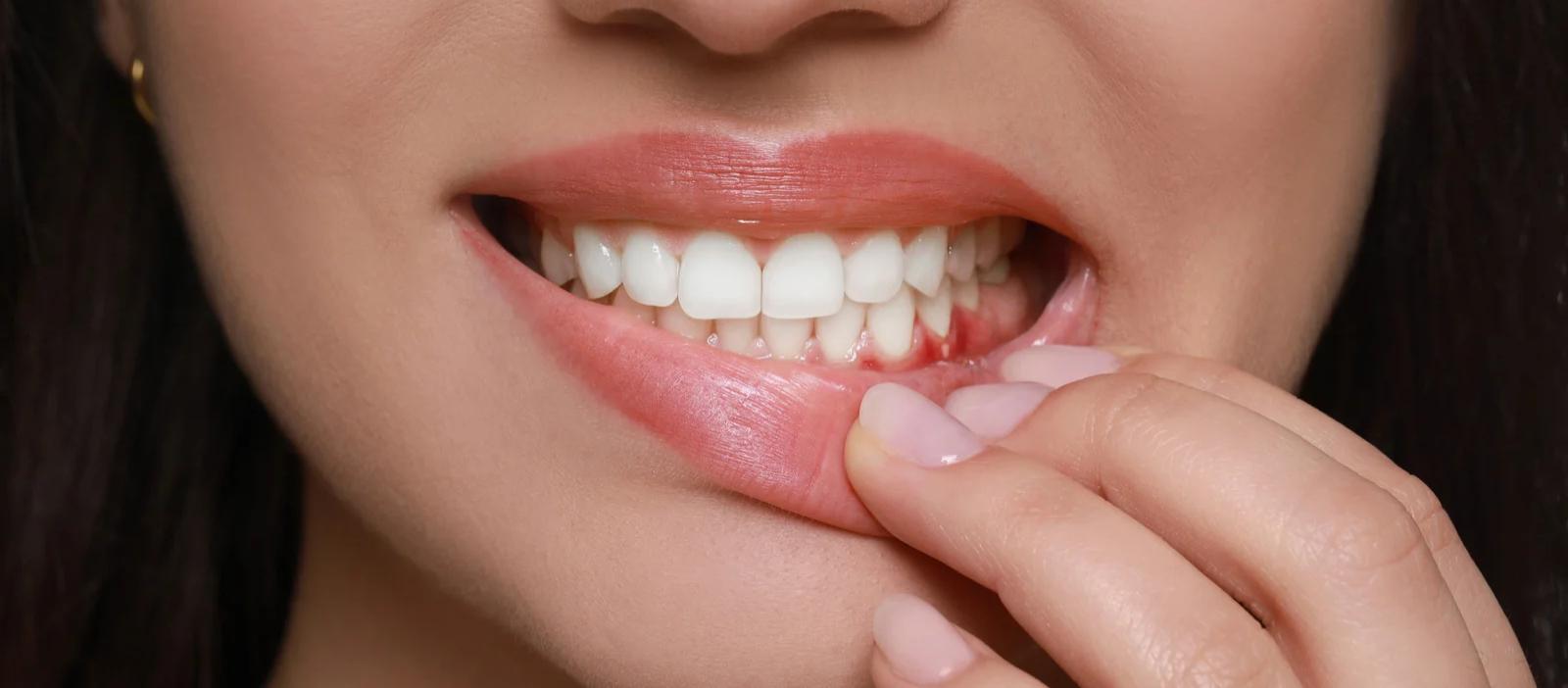
A pulsing ache, a deep cavity, or a tender swollen patch on the gum can signal infection near the root of a tooth. Pain that wakes you at night, or a pimple-like bump on the gums, should never be ignored, because infections rarely resolve on their own.
Treatment often focuses on relieving pressure and addressing the source, which may eventually involve root canal treatment or another procedure. The right approach depends on how much of the tooth can be saved.
Chipped, Cracked, or Broken Teeth
Fractures can follow a fall, a hard bite, or years of grinding. A small chip may be more cosmetic than urgent, while a deep crack or a tooth broken near the gumline can expose the nerve and leave the tooth vulnerable. Save any fragments you can find, and rinse your mouth gently with warm water.
Lost or Broken Restorations
A crown that comes loose, a filling that falls out, or a bridge that begins to fail leaves the tooth beneath it exposed. Keep the restoration if you have it, avoid chewing on that side, and bring it with you, since it can sometimes be evaluated for reuse.
Soft Tissue Injuries
Cuts to the lips, tongue, cheeks, or gums can bleed briskly. Gentle, steady pressure with clean gauze usually slows the bleeding, and persistent bleeding warrants prompt professional attention. Something cold held against the cheek can also help keep swelling down.
A Knocked-Out Tooth Is a Race Against Time
Of all dental emergencies, an avulsed permanent tooth is the most time-sensitive. Quick, gentle handling often decides whether it can be saved. Composure helps more than haste.
Pick the tooth up by its chewing end, never the root. A brief rinse under water is enough if it is dirty; leave any clinging tissue alone and resist the urge to scrub. Where possible, slide it carefully back into place and bite gently on clean gauze to steady it.
When reinsertion is not possible, a small container of milk is the best place for the tooth, and bring it with you without delay.
Every minute counts.
Baby teeth are handled differently, and they are generally not reinserted, which is one more reason to describe the situation clearly when you reach a dentist.
Sensible First Steps Before You Arrive
A few simple measures can make the wait more bearable and protect the injured area.
Rinse gently with warm water to clear debris, and use clean gauze to control any bleeding. Short intervals of cold against the cheek tend to calm swelling and dull the ache. Over-the-counter pain relief may help when taken exactly as the label directs, though medication should never be placed directly against the gums, where it can irritate the tissue.
Resist the temptation to chew on the affected side.
If a tooth has broken, cover any sharp edge with a small piece of sugar-free gum or dental wax to protect your tongue and cheek. Gather any fragments, the loose crown, or the knocked-out tooth, and keep them safe so they can be examined. These small preparations can shorten the visit and preserve options that might otherwise be lost.
Same-Day Care, and Why It Matters
Waiting weeks for an appointment is rarely acceptable when a tooth is in trouble. Moss Dental Studio reserves dedicated time in its daily schedule for urgent cases and makes every effort to see emergency patients the same day, so that pain can be managed and the problem diagnosed promptly.
The goal of an emergency visit is stabilization. That might mean relieving pain, controlling infection, protecting a fractured tooth, or re-cementing a restoration, with longer-term treatment planned once the immediate crisis has passed. That sequence is deliberate. Decisions made in pain are rarely the best ones, which is why the definitive plan is usually discussed once you are comfortable and the full picture is clear.
Consider the split molar from the film night. A same-day visit might involve smoothing sharp edges, placing a protective restoration, and discussing whether a crown is needed, all before the weekend is over.
Preventing the Next Emergency
Not every accident can be avoided. Many can be made less likely, often with very little effort.
A custom mouthguard is a sensible investment for anyone who plays contact sports, from youth hockey to weekend basketball. Chewing ice, opening packages with your teeth, and biting down on hard candy all place teeth at needless risk, and small changes in habit protect them over time.
Regular checkups matter here too, perhaps more than anywhere else. Cracks, failing fillings, and early decay are often found before they become painful, and a planned repair is almost always simpler than an urgent one.
A Few Common Questions About Dental Emergencies
Is Same-Day Care Available?
Moss Dental Studio sets aside time each day for urgent cases and makes every effort to see emergency patients on the same day. Describe your symptoms clearly so the team can prioritize appropriately.
What Should I Do If a Crown Falls Off?
Keep the crown, avoid chewing on that tooth, and bring the crown to your visit. It can sometimes be re-cemented once the tooth has been examined. If the tooth beneath is damaged, a new restoration may be recommended instead.
Is a Toothache Always an Emergency?
Not always. Severe or worsening pain, swelling, fever, or pain after an injury deserve prompt evaluation, while mild sensitivity can often wait for a regular appointment.
How Should I Store a Knocked-Out Tooth?
Touch only the chewing end, leave the root alone, and try to ease it back into place. Failing that, place it in a little milk and seek care immediately.
Reaching Moss Dental Studio in Lakeville
Dr. Kevin Molldrem of Moss Dental Studio brings more than 20 years of experience in dentistry and continuing education focused on full mouth reconstruction, training that proves useful when an injured tooth needs both immediate care and a considered long-term plan.
To learn more about urgent care, the practice website describes its services for emergency dental care in Lakeville, MN. The Moss Dental Studio blog offers further reading, and the contact page is the place to arrange a visit.
For anything urgent, the Lakeville office can be reached at (612) 312-0087. It is located at 18389 Orchard Trail, Lakeville, MN 55044.