

Oral Exam
An oral exam answers a different question than a cleaning: what is happening in your mouth, and what—if anything—needs attention? Whether you are establishing care, returning for a routine check, or concerned about one tooth or area, the exam is where your dentist gathers the information needed to diagnose and prioritize care.
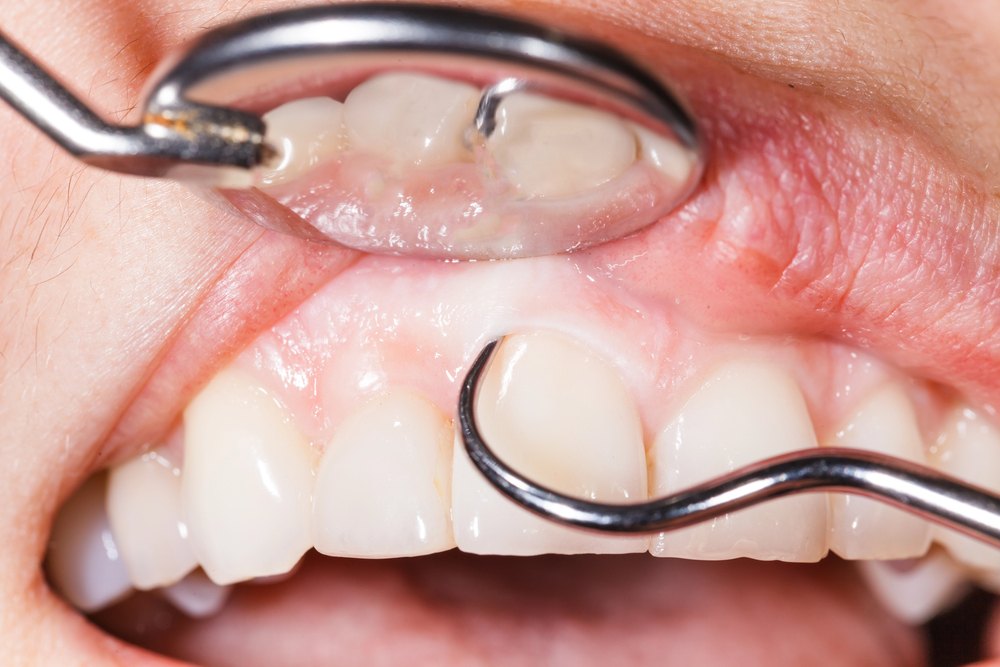
At Moss Dental Studio, Dr. Kevin Molldrem can evaluate the teeth, gums, bite, existing dental work and visible oral tissues, then explain which findings are urgent, which can be monitored and which options are elective.
What Does a Dentist Check During an Oral Exam?
- Teeth for decay, fractures, wear, sensitivity and structural changes.
- Existing fillings, crowns, bridges or other restorations for findings that merit attention.
- Gums and supporting tissues for inflammation, recession and periodontal concerns.
- Bite and tooth contacts when they relate to symptoms, wear or treatment planning.
- Visible oral tissues, including areas examined as part of oral cancer screening.
- Symptoms such as pain, swelling, sensitivity, jaw discomfort or other changes you have noticed.
Do You Need X-Rays at Every Dental Exam?
Not necessarily. Dental X-rays provide information that cannot always be obtained by visual examination alone, but the type and timing should reflect your age, history, symptoms, disease risk, previous images and what the dentist needs to diagnose or monitor. Ask why an image is recommended and what question it is intended to answer.
Dental Exam vs. Dental Cleaning
An exam is diagnostic: the dentist evaluates your oral health and develops or updates the care plan. A cleaning is preventive or maintenance care focused on removing deposits and supporting gum health. They are often scheduled together, but they are not the same service.
Routine, New-Patient, and Problem-Focused Exams
A routine exam monitors known oral health over time. A new-patient exam may require a broader baseline because the dentist is establishing your history and current condition. A problem-focused exam concentrates on a specific symptom such as pain, swelling, a broken tooth or a lost restoration. The information needed depends on why you are there.
What Happens After the Dentist Finds a Problem?
A finding is not automatically a treatment order. Your dentist should explain the diagnosis, urgency, reasonable options and what could happen if the condition is monitored instead of treated immediately. When several needs exist, the plan can be prioritized so active disease and urgent problems are addressed before elective care.
If you have severe pain, facial swelling or dental trauma, use Moss Dental Studio’s emergency dental care information rather than waiting for a routine exam.
Oral Exam in Eden Prairie and Lakeville
Moss Dental Studio provides care from two Minnesota offices. Choose the location that works best for you when scheduling:
- Eden Prairie: 800 Prairie Center Dr, Suite 250, Eden Prairie, MN 55344 — call (952) 974-5116
- Lakeville: 18389 Orchard Trail, Lakeville, MN 55044 — call (612) 312-0087
For maps and office information, view the Moss Dental Studio locations or contact the dental team.
Questions Patients Ask
How long does an oral exam take?
Timing varies with whether you are new to the practice, the number of concerns, the need for imaging and the complexity of findings. The goal is an adequate evaluation, not a fixed appointment length.
Can I book an exam for one painful tooth?
Yes. A problem-focused evaluation can investigate a specific symptom. The dentist may recommend imaging or additional tests depending on the concern.
Do I need a cleaning every time I have an exam?
Not necessarily. Exams and cleanings have different purposes and may follow different schedules based on your oral health and treatment needs.
What should I tell the dentist before the exam?
Mention medical conditions, medications, allergies, pregnancy when relevant, dental anxiety, recent symptoms and changes you have noticed. These details can affect diagnosis and treatment planning.
What if the dentist finds several problems?
Ask the dentist to separate urgent or active disease from issues that can be monitored and elective options. A phased plan can make complex care easier to understand.
If cost planning is important, review dental insurance information and payment-plan information.
Not Sure What Your Teeth or Gums Need? Start With an Exam.
Whether you are due for a checkup, returning after time away, dealing with sensitivity, or concerned about one particular tooth, you do not need to diagnose the problem before scheduling.
An oral exam gives you a clearer starting point: what is happening, what needs attention now, what can be monitored, and which treatment options are reasonable for your situation.
Eden Prairie: 800 Prairie Center Dr, Suite 250 — Call (952) 974-5116
Lakeville: 18389 Orchard Trail — Call (612) 312-0087