

Dental Implant Surgery
Dental implant surgery is the stage of implant treatment in which a planned implant is placed into the jaw to create support for a future restoration. Successful treatment begins before the procedure—with diagnosis, imaging, restorative planning, and evaluation of the bone and gums.
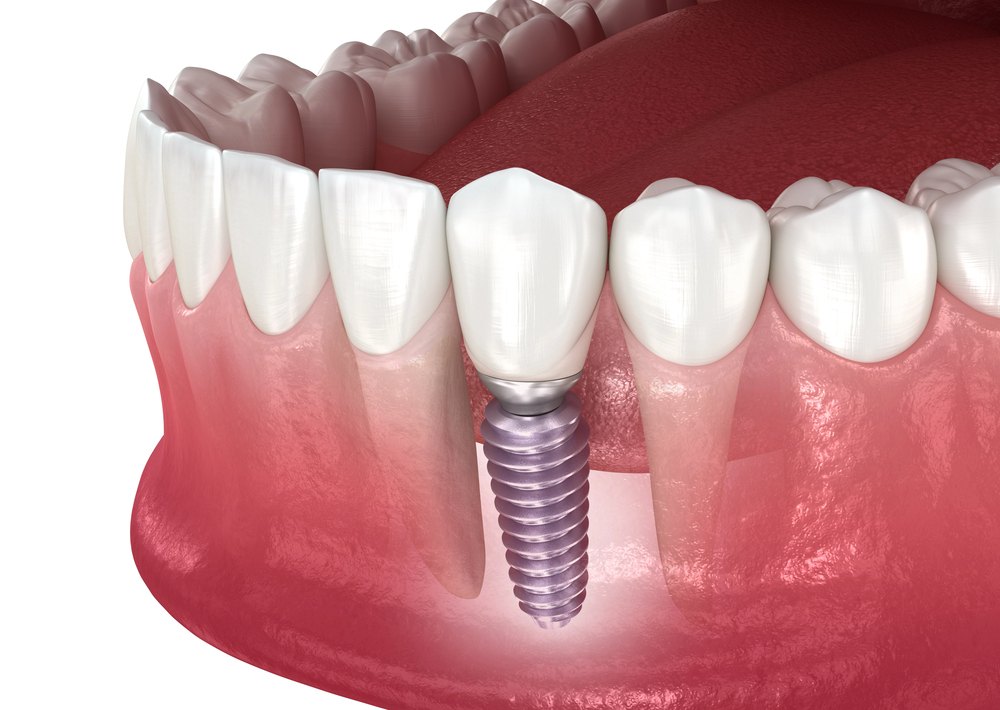
An implant should not be placed simply where bone is available. Its position also needs to make sense for the tooth it will support, the bite, nearby anatomy, and the patient’s ability to keep the area clean.
What Happens Before Implant Surgery?
- Review medical and dental history, medications, and factors that can affect healing.
- Examine the gums, neighboring teeth, bite, and missing-tooth area.
- Use appropriate imaging to understand bone and nearby anatomy.
- Determine whether extraction, grafting, periodontal treatment, or another preparatory step is needed.
- Plan implant position around the intended final restoration.
What Happens During Implant Placement?
The surgical site is anesthetized according to the treatment plan. The dentist accesses the bone, prepares the implant site, and places the implant in the planned position. The area is then managed according to the surgical approach.
A straightforward healed site is different from an implant placed with an extraction, graft, or other surgical treatment. Your consent discussion should describe what is planned for your case.
Immediate vs. Delayed Implant Placement
In selected cases, an implant can be placed at the same appointment as an extraction. Other sites need to heal first. Infection, bone anatomy, soft tissues, implant stability, and restorative requirements influence that decision.
Same-day placement does not mean every extraction site qualifies, and it does not necessarily mean the final permanent tooth is completed that day.
What Happens After the Implant Is Placed?
The implant and surrounding tissues need time to heal. During this period, the implant is not yet the finished tooth. Depending on the plan, you may have a healing component, temporary tooth, or another provisional arrangement.
The broader implant process continues until the implant is ready to support the planned crown, bridge, or other restoration. Learn more at dental implant treatment.
What Can Affect Healing?
Healing can be influenced by bone and gum condition, surgical complexity, oral hygiene, tobacco exposure, medical conditions, medications, bite forces, and how postoperative instructions are followed.
Dental Implant Surgery in Eden Prairie and Lakeville
Moss Dental Studio provides care from two Minnesota offices. Choose the location that works best for you when scheduling:
- Eden Prairie: 800 Prairie Center Dr, Suite 250, Eden Prairie, MN 55344 — call (952) 974-5116
- Lakeville: 18389 Orchard Trail, Lakeville, MN 55044 — call (612) 312-0087
For maps and office information, view the Moss Dental Studio locations or contact the dental team.
Questions Patients Ask
How long does implant surgery take?
Procedure time varies with the number and location of implants and whether extraction, grafting, or other procedures are completed.
Are you awake during implant surgery?
The anesthesia or sedation approach depends on the procedure, health history, anxiety, and practice protocol.
Can I get a temporary tooth after placement?
Sometimes. It depends on implant stability, location, bite, appearance needs, and the surgical and restorative plan.
How long before the final tooth is placed?
There is no universal timeline. Healing, grafting, implant stability, tissue condition, and the final restoration affect timing.
What if an implant does not integrate?
The dentist evaluates the cause and discusses whether removal, healing, retreatment, or another replacement approach is appropriate.
Planning Dental Implant Surgery? Start With the Final Tooth in Mind.
The surgical appointment is only one part of tooth replacement. Implant position, bone, gums, bite, and the final restoration all need to work together.
Schedule an implant consultation so Moss Dental Studio can determine whether you are ready for placement, whether another step is needed first, and how surgery fits into the complete plan.
Eden Prairie: 800 Prairie Center Dr, Suite 250 — Call (952) 974-5116
Lakeville: 18389 Orchard Trail — Call (612) 312-0087