

Cosmetic Dental Bonding
Cosmetic dental bonding uses tooth-colored resin to make conservative changes to the visible shape, contour, or color of selected teeth. Because the material is added directly to the tooth and sculpted by the dentist, bonding can often address smaller cosmetic concerns without the same amount of tooth preparation required by some indirect restorations.
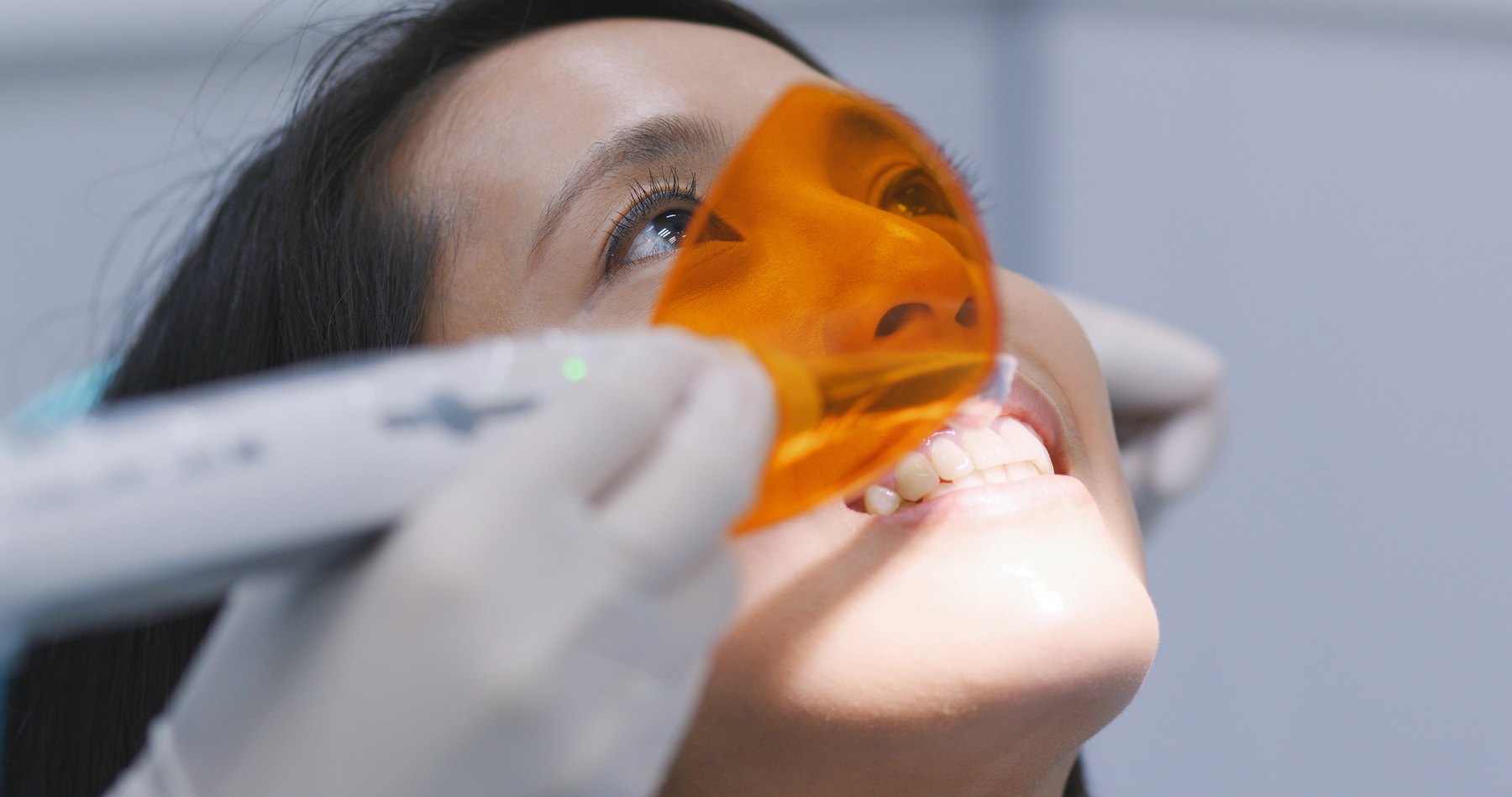
Bonding works best when the problem fits the material. A small chip or narrow gap is different from a severely fractured tooth, a large bite problem, or discoloration that affects many teeth. The consultation should determine whether bonding is a practical solution—not simply whether resin can be placed on the tooth.
What Can Cosmetic Bonding Change?
- Small chips or worn edges that affect tooth shape.
- Minor gaps or spaces between selected teeth.
- Teeth that look slightly short, uneven, or irregular in contour.
- Localized discoloration that cannot be addressed predictably with whitening alone.
- Small cosmetic defects where adding tooth-colored material can improve symmetry.
What Happens During Dental Bonding?
The dentist first evaluates the tooth, gums, bite, and cosmetic goal. A shade is selected to blend with the surrounding tooth structure. The surface is prepared for bonding, tooth-colored resin is applied in layers, and the material is shaped before being hardened and polished.
The artistry of bonding is not only about matching color. The dentist also has to consider tooth proportions, surface texture, contact with neighboring teeth, and how the bonded area interacts with your bite.
Bonding vs. Veneers: They Solve Different Problems
Bonding is an additive, direct treatment that can be useful for smaller changes and repairs. Veneers are custom restorations covering the front surface of selected teeth and may be considered when the desired changes are broader or when shape, color, and proportion need to be managed across multiple teeth.
Neither option is automatically more conservative in every situation. The condition of the teeth, amount of change requested, bite, existing restorations, maintenance expectations, and long-term plan should guide the choice.
Can Bonding Fix a Chipped Tooth?
Bonding can repair many small cosmetic chips when enough healthy tooth remains and the bite does not place excessive force on the repaired area. A deeper fracture, crack, or structurally weakened tooth may need a different restorative approach.
If a tooth chipped without an obvious reason, the dentist should also consider whether grinding, clenching, bite forces, decay, or another condition contributed to the damage.
What Can Stain or Damage Bonding?
Composite resin can pick up surface stain over time and does not respond to whitening in the same way natural tooth enamel does. The material can also chip or wear, especially in areas exposed to heavy biting forces, nail biting, ice chewing, or other habits.
Bonding can often be polished, repaired, or replaced when needed, but it should not be described as permanent. Maintenance depends on the location, size of the bonded area, bite, habits, and home care.
Plan Whitening Before Bonding When Color Matters
Whitening changes the color of natural tooth structure but does not lighten existing composite resin. If you are considering both whitening and bonding, discuss the sequence with your dentist so the final bonding shade can be selected with the broader smile plan in mind.
Cosmetic Dental Bonding in Eden Prairie and Lakeville
Moss Dental Studio provides care from two Minnesota offices. Choose the location that works best for you when scheduling:
- Eden Prairie: 800 Prairie Center Dr, Suite 250, Eden Prairie, MN 55344 — call (952) 974-5116
- Lakeville: 18389 Orchard Trail, Lakeville, MN 55044 — call (612) 312-0087
For maps and office information, view the Moss Dental Studio locations or contact the dental team.
Questions Patients Ask
Does dental bonding damage your teeth?
Bonding is often relatively conservative because resin can be added with limited tooth preparation, but the exact preparation depends on the tooth and treatment goal.
How long does cosmetic bonding last?
There is no guaranteed lifespan. Bonding can stain, wear, or chip, and longevity depends on the size and location of the restoration, bite forces, habits, and maintenance.
Can bonding close a gap between teeth?
Selected small spaces can sometimes be reduced or closed with bonding. Larger spaces, tooth-position issues, or bite concerns may be better managed with orthodontics or another treatment.
Can bonded teeth be whitened?
Whitening products do not lighten composite resin the way they lighten natural enamel. If color change is planned, discuss whitening before final shade selection for bonding.
Is bonding cheaper than veneers?
Fees depend on the number of teeth, complexity, and treatment plan. Cost alone should not determine the choice because bonding and veneers have different indications, maintenance needs, and limitations.
Have a Small Chip, Gap, or Shape Concern You Keep Noticing?
You do not need a full smile makeover to ask about one detail that bothers you. The useful question is whether a conservative addition of tooth-colored resin can make the change you want without creating a new functional problem.
Schedule a cosmetic consultation so Moss Dental Studio can evaluate the tooth, your bite, and your smile goals and explain whether bonding or another option fits the change you want to make.
Eden Prairie: 800 Prairie Center Dr, Suite 250 — Call (952) 974-5116
Lakeville: 18389 Orchard Trail — Call (612) 312-0087