

Pediatric Dental Cleaning
A pediatric dental cleaning is preventive care adapted to a child’s age, comfort, development, and oral-health needs. The goal is not simply to polish small teeth. It is to remove deposits that home care has missed, identify areas where plaque is accumulating, and help children and caregivers build routines that protect the teeth as the mouth develops.
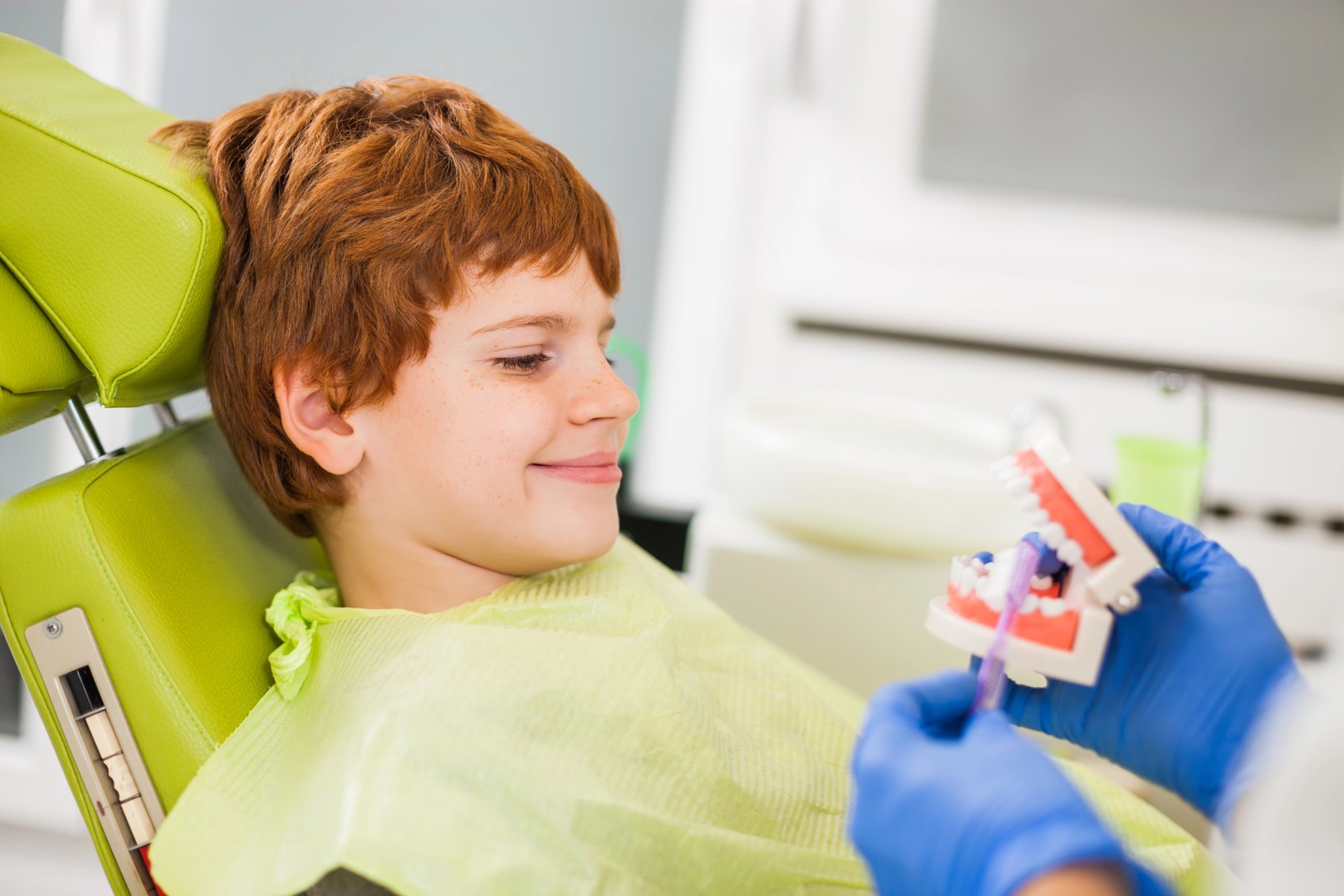
Children do not all need the same experience. A first cleaning for a young child may focus heavily on comfort and cooperation, while an older child or teen may need more detailed guidance about brushing, flossing, diet, orthodontic appliances, or cavity risk.
What Happens During a Child’s Dental Cleaning?
The dental team first considers the child’s age, dental history, comfort, and any concerns the caregiver has noticed. The cleaning itself is adjusted to what the child needs and can comfortably tolerate.
- Assess plaque buildup and visible gum health.
- Remove soft deposits and hardened buildup when present and appropriate.
- Polish the teeth when indicated.
- Review brushing and flossing areas that need more attention.
- Discuss preventive needs such as fluoride or sealants when clinically appropriate.
- Coordinate the cleaning with the child’s dental exam according to the care plan.
A Cleaning and a Pediatric Dental Exam Are Not the Same Thing
The cleaning focuses on plaque, deposits, gum health, and prevention. The dental exam evaluates the teeth, development, bite, oral tissues, and any concerns that may need diagnosis or treatment.
They are often scheduled together, but keeping their purposes clear helps caregivers understand why a child can have clean-looking teeth and still need a dental examination.
Helping Children Feel Comfortable at the Dentist
Children vary widely in how they respond to dental visits. Age, previous experiences, sensory preferences, temperament, and the amount of treatment needed can all affect cooperation.
Caregivers can help by using simple, neutral language and avoiding stories about painful dental experiences. The dental team can explain instruments and steps in an age-appropriate way and build familiarity gradually when needed.
Why Home Care Still Matters Between Cleanings
Professional cleaning cannot replace daily brushing and interdental cleaning. Young children often need hands-on caregiver help because the coordination required for thorough brushing develops over time.
As children become more independent, caregivers should still check whether back teeth, the gumline, and crowded areas are being cleaned effectively. Orthodontic appliances can create additional plaque-retention areas that need special attention.
What About Fluoride and Dental Sealants?
Children with developing permanent teeth or increased cavity risk may benefit from additional preventive measures. Professionally applied fluoride can strengthen enamel, while sealants can protect the deep grooves of selected back teeth.
These services should be recommended according to the child’s individual cavity risk and tooth anatomy rather than added automatically to every cleaning.
How Often Should a Child Have a Dental Cleaning?
There is no single preventive interval that is ideal for every child. Cavity history, gum health, plaque buildup, diet, fluoride exposure, orthodontic appliances, home care, and other risk factors can influence the recommended schedule.
The dentist can recommend an interval after evaluating the child’s current oral health and risk.
Pediatric Dental Cleaning in Eden Prairie and Lakeville
Moss Dental Studio provides care from two Minnesota offices. Choose the location that works best for you when scheduling:
- Eden Prairie: 800 Prairie Center Dr, Suite 250, Eden Prairie, MN 55344 — call (952) 974-5116
- Lakeville: 18389 Orchard Trail, Lakeville, MN 55044 — call (612) 312-0087
For maps and office information, view the Moss Dental Studio locations or contact the dental team.
Questions Patients Ask
At what age should a child start dental cleanings?
Preventive dental care begins early, but the exact cleaning performed depends on the child’s age, erupted teeth, cooperation, and oral-health needs. The dentist can recommend age-appropriate care.
What if my child is afraid of the dentist?
Tell the dental team before or at the visit. A gradual, age-appropriate approach can help build familiarity and trust rather than forcing every child through the same experience.
Do baby teeth really need professional cleaning?
Baby teeth are important for chewing, speech, development, and maintaining space for permanent teeth. Their health should be monitored and preventive care should match the child’s needs.
Does a cleaning prevent all cavities?
No. Cleaning removes deposits, but cavity risk also depends on diet, fluoride exposure, home care, tooth anatomy, bacteria, dry mouth, and other factors.
Can my child have a cleaning with braces?
Yes. Orthodontic appliances can make plaque control more challenging, so preventive dental care and careful home cleaning remain important during orthodontic treatment.
How can I prepare my child for a cleaning?
Keep explanations simple and positive. Avoid promising that nothing will feel strange or using frightening words. Let the dental team explain the visit in a way appropriate for the child.
Ready to Make Preventive Dental Care a Familiar Part of Your Child’s Routine?
A good pediatric cleaning visit should do more than leave teeth polished. It should help your child become more comfortable with dental care while giving you practical guidance about the areas that need attention at home.
Schedule your child’s preventive visit with Moss Dental Studio and let the team know if this is a first dental experience, your child feels anxious, or you have a specific concern about brushing, plaque, or cavities.
Eden Prairie: 800 Prairie Center Dr, Suite 250 — Call (952) 974-5116
Lakeville: 18389 Orchard Trail — Call (612) 312-0087