

Dental Sealants
Dental sealants are thin protective coatings placed over the grooves and pits of selected teeth—most often the chewing surfaces of back teeth—to create a smoother barrier over areas where food and plaque can be difficult to remove.
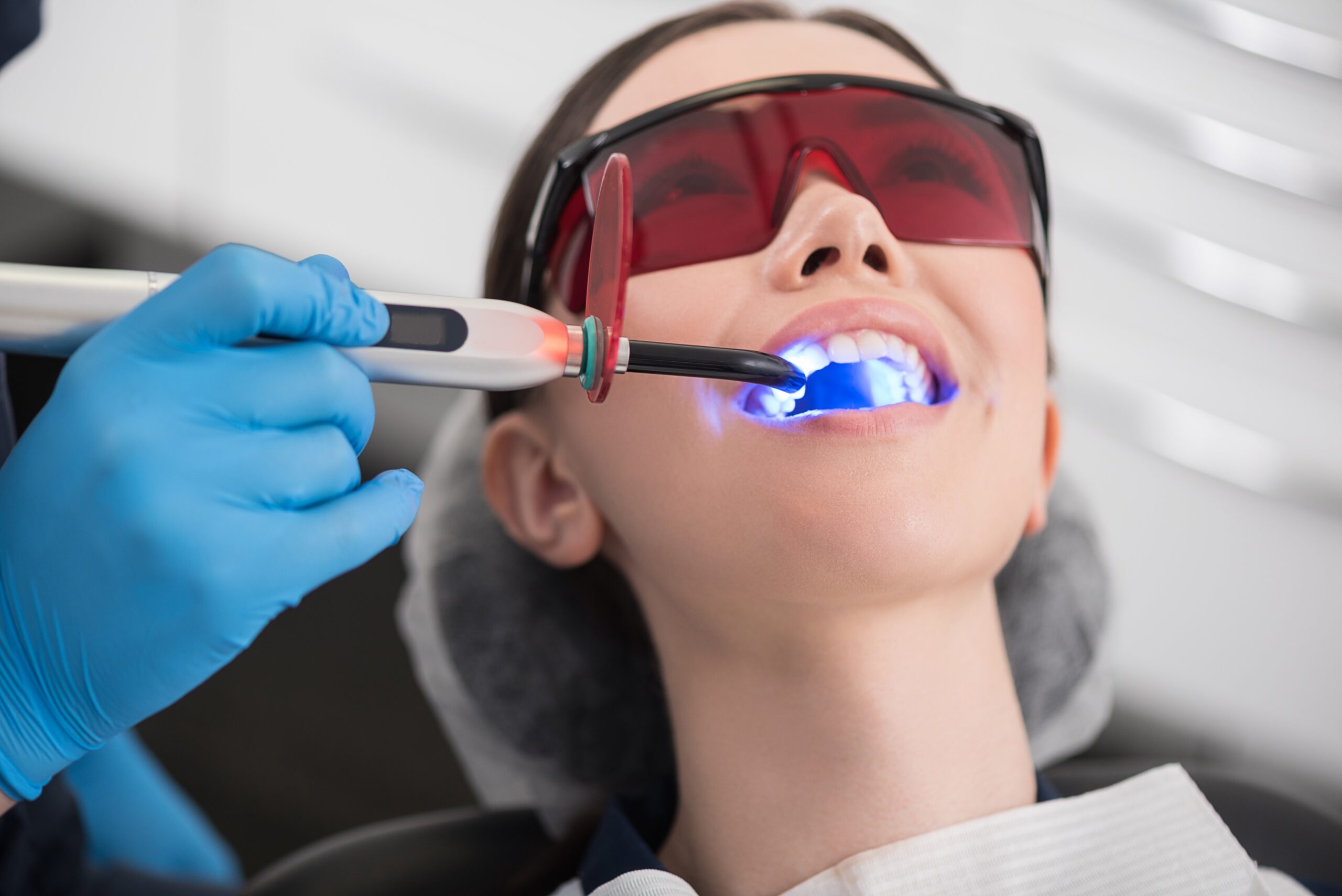
Sealants do not make a tooth cavity-proof, and they do not replace brushing, fluoride, or dental exams. Their value is targeted: protecting susceptible grooves when tooth anatomy and cavity risk make that added barrier useful.
Why Are Back Teeth More Vulnerable to Cavities?
Molars and premolars can have narrow pits and grooves on their chewing surfaces. A toothbrush may not clean the deepest parts of those grooves effectively, particularly soon after permanent molars erupt in children.
When plaque and fermentable carbohydrates remain in those areas, cavity risk can increase. A sealant flows into the grooves and hardens to create a surface that is easier to keep clean.
Who May Benefit From Dental Sealants?
Sealants are commonly associated with children and teenagers because newly erupted permanent molars can be vulnerable to decay. Adults can also have deep, cavity-prone grooves that may be evaluated for sealants.
The decision should consider tooth anatomy, whether the surface is already restored or decayed, cavity history, oral hygiene, fluoride exposure, diet, and overall risk. Not every groove on every tooth needs to be sealed.
What Happens When a Sealant Is Placed?
- The tooth is cleaned so plaque and debris are removed from the surface.
- The tooth is isolated and kept dry because moisture can interfere with bonding.
- The enamel surface is prepared according to the sealant system.
- Liquid sealant material is flowed into the pits and grooves.
- The material is hardened and checked for coverage and bite.
Does Getting a Sealant Hurt?
Sealant placement is generally noninvasive because it does not normally require drilling away healthy tooth structure. The tooth does need to remain isolated and dry while the material is placed, which can be the most challenging part for some younger children.
If decay or another problem is already present, the treatment may be different from a preventive sealant and should be explained before proceeding.
How Long Do Sealants Last?
Sealants can remain protective for years, but they can wear, chip, or partially come off. Their condition should be checked during dental examinations, and repair or replacement may be recommended if coverage is lost and the tooth remains at risk.
Avoid treating a sealant as a one-time guarantee against cavities. The rest of the tooth can still decay, and plaque control and diet remain important.
Sealants, Fluoride, and Brushing Do Different Jobs
Sealants create a physical barrier over selected pits and grooves. Fluoride helps strengthen enamel and supports resistance to acid attack. Brushing with fluoride toothpaste removes plaque from accessible surfaces and provides regular fluoride exposure.
These preventive tools can complement one another because they address different aspects of cavity risk.
What If a Tooth Already Has an Early Cavity?
A dentist needs to evaluate the surface before deciding whether a preventive sealant is appropriate. Some very early non-cavitated lesions may be managed with preventive strategies in selected circumstances, while established cavities require restorative treatment.
The important distinction is that sealants should not be used to hide a cavity without diagnosis and an appropriate treatment plan.
Dental Sealants in Eden Prairie and Lakeville
Moss Dental Studio provides care from two Minnesota offices. Choose the location that works best for you when scheduling:
- Eden Prairie: 800 Prairie Center Dr, Suite 250, Eden Prairie, MN 55344 — call (952) 974-5116
- Lakeville: 18389 Orchard Trail, Lakeville, MN 55044 — call (612) 312-0087
For maps and office information, view the Moss Dental Studio locations or contact the dental team.
Questions Patients Ask
Are dental sealants only for children?
No. Children and teens commonly receive sealants, but selected adults with deep, susceptible grooves may also benefit after evaluation.
Do sealants prevent every cavity?
No. They protect the grooves they cover but do not protect every tooth surface or eliminate other cavity risk factors.
Do teeth need to be drilled for sealants?
Preventive sealant placement generally does not require drilling away healthy tooth structure. If decay is present, a different treatment may be needed.
Can sealants fall out?
They can wear or partially detach over time. Dentists check their condition during exams and can repair or replace them when appropriate.
Can you put a sealant over a cavity?
The tooth must be evaluated first. A preventive sealant is not a substitute for diagnosing and treating an established cavity.
Does insurance cover dental sealants?
Coverage varies by plan, age, tooth, and benefit rules. Confirm your individual benefits with your insurer and the dental office.
Want to Give Cavity-Prone Back Teeth Extra Protection?
If your child’s permanent molars have deep grooves—or you have been told certain teeth are difficult to keep clean—you do not need to guess whether sealants are worthwhile.
Schedule a preventive dental visit so Moss Dental Studio can evaluate the tooth surfaces and cavity risk and explain whether sealants add meaningful protection alongside brushing, fluoride, and regular dental care.
Eden Prairie: 800 Prairie Center Dr, Suite 250 — Call (952) 974-5116
Lakeville: 18389 Orchard Trail — Call (612) 312-0087