

Fluoride Treatment
Fluoride is a mineral used in dentistry to help strengthen enamel and make teeth more resistant to the acid attacks involved in tooth decay. Professional fluoride treatment delivers fluoride directly to the teeth as part of a prevention plan when a patient’s cavity risk or enamel condition makes additional protection useful.
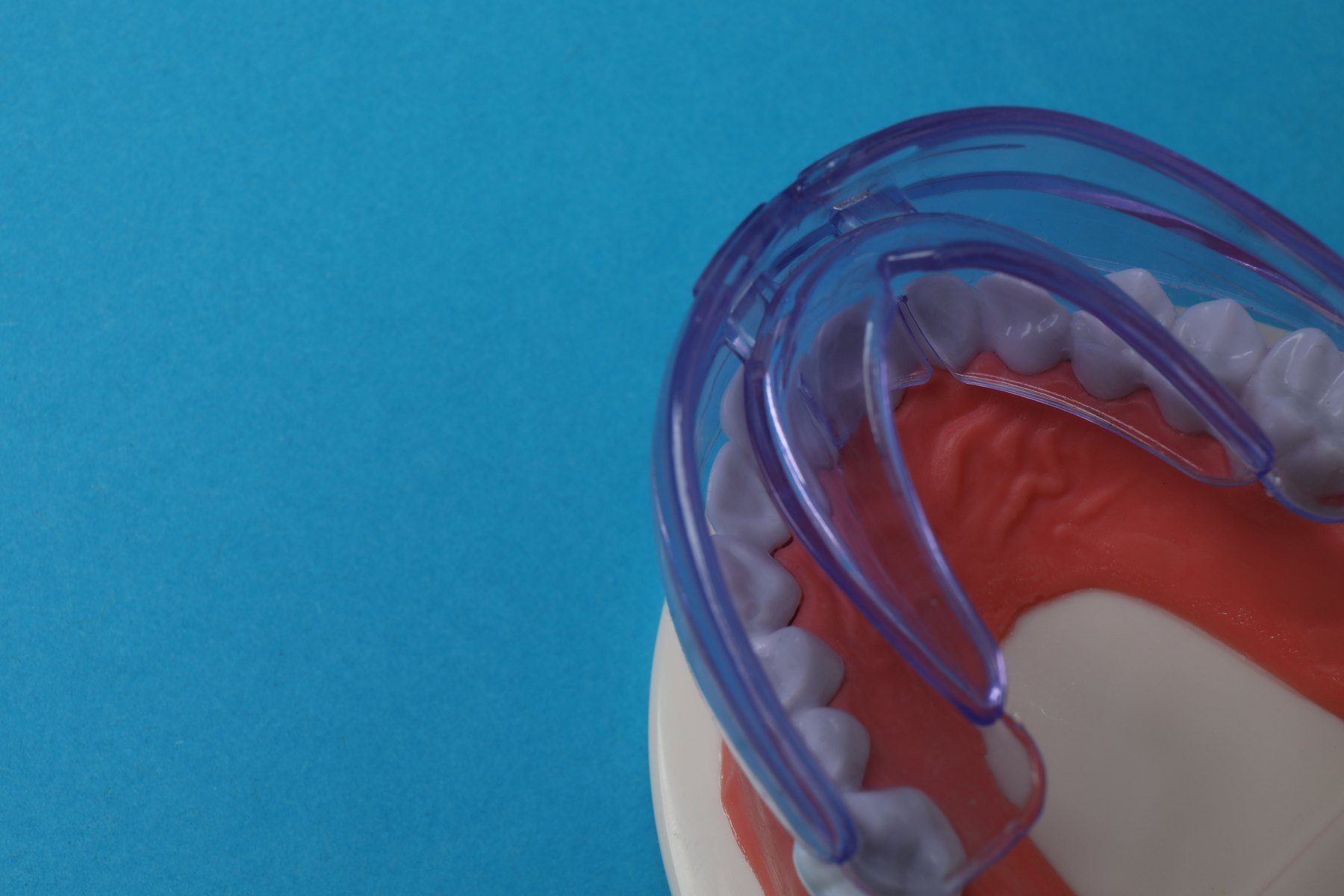
Fluoride treatment is often associated with children, but age alone does not determine who benefits. Adults with certain cavity-risk factors can also be candidates. The decision should follow your dental history and current risk rather than an automatic schedule applied to everyone.
How Does Fluoride Help Protect Teeth?
Tooth enamel is continually exposed to cycles of mineral loss and repair. Acids produced after bacteria metabolize carbohydrates can remove minerals from enamel. Fluoride supports remineralization and can make enamel more resistant to future acid challenges.
Fluoride is one part of cavity prevention—not a replacement for brushing, interdental cleaning, diet management, dental exams, or treatment of existing decay.
Who May Benefit From Professional Fluoride?
- Children whose developing and newly erupted teeth would benefit from additional cavity prevention based on their risk.
- Patients with a history of frequent or recent cavities.
- People with dry mouth, which reduces the protective effects of saliva.
- Patients with exposed root surfaces, which can be more vulnerable to decay.
- People wearing orthodontic appliances or managing conditions that make plaque control more difficult.
- Patients whose dentist identifies another reason for increased cavity risk.
Professional Fluoride vs. Fluoride Toothpaste
Fluoride toothpaste provides regular low-level fluoride exposure during home care. Professional products use formulations and concentrations intended for application in the dental setting. They can complement one another when a patient’s risk supports additional professional treatment.
More fluoride is not automatically better. Your dentist should consider age, cavity history, home fluoride exposure, oral-health conditions, and the product being used.
What Happens During a Fluoride Treatment?
Professional fluoride can be delivered in different forms, such as varnish, gel, or other dental products. The application method and aftercare depend on the product selected.
Follow the specific eating, drinking, brushing, or flossing instructions provided after treatment rather than relying on a universal waiting period.
Fluoride Treatment and Early Tooth Decay
Fluoride can support remineralization of enamel in appropriate early-stage conditions, but it does not restore a tooth that already has a cavitated hole or structural damage requiring a filling or another restoration.
Preventive treatment can help manage risk and selected early changes, while established cavities need diagnosis and a treatment plan appropriate to the amount of damaged tooth structure.
Is Fluoride Only for Children?
No. Children commonly receive fluoride as part of preventive dental care, but adults can also have elevated cavity risk. Dry mouth, exposed roots, a history of decay, certain medications or medical conditions, and difficulty controlling plaque can all change the prevention plan.
Fluoride Treatment in Eden Prairie and Lakeville
Moss Dental Studio provides care from two Minnesota offices. Choose the location that works best for you when scheduling:
- Eden Prairie: 800 Prairie Center Dr, Suite 250, Eden Prairie, MN 55344 — call (952) 974-5116
- Lakeville: 18389 Orchard Trail, Lakeville, MN 55044 — call (612) 312-0087
For maps and office information, view the Moss Dental Studio locations or contact the dental team.
Questions Patients Ask
Is professional fluoride necessary if I use fluoride toothpaste?
Not for everyone. Toothpaste provides important regular fluoride exposure, while professional treatment may be recommended when individual cavity risk supports additional protection.
How often should I get fluoride treatment?
There is no single professional-fluoride schedule that is right for every patient. Frequency should reflect cavity risk, age, oral-health conditions, and the product being used.
Can adults get fluoride treatment?
Yes. Professional fluoride can be appropriate for adults with increased cavity risk, dry mouth, exposed roots, or other clinical indications.
Can fluoride reverse a cavity?
Fluoride can support remineralization of appropriate early enamel changes, but it cannot rebuild a tooth once decay has created a cavitated structural defect.
Can I eat after fluoride treatment?
Aftercare depends on the fluoride product used. Follow the instructions provided by the dental team for that specific application.
Is fluoride the same as a sealant?
No. Fluoride strengthens enamel and supports remineralization, while a sealant creates a physical protective barrier over susceptible pits and grooves.
Want to Know Whether Fluoride Adds Meaningful Protection for Your Teeth?
Professional fluoride should be based on cavity risk, not added automatically because of age or a calendar reminder. Your history of decay, enamel condition, dry mouth, home care, and other factors help determine whether it is useful.
Schedule a preventive visit so Moss Dental Studio can evaluate your cavity risk and explain how fluoride fits with brushing, diet, sealants, and the rest of your prevention plan.
Eden Prairie: 800 Prairie Center Dr, Suite 250 — Call (952) 974-5116
Lakeville: 18389 Orchard Trail — Call (612) 312-0087