

TMJ Treatment
TMJ is the common abbreviation for the temporomandibular joint—the joint connecting the lower jaw to the skull. TMD, or temporomandibular disorders, is a broader term for conditions involving the jaw joints, chewing muscles, and related structures.
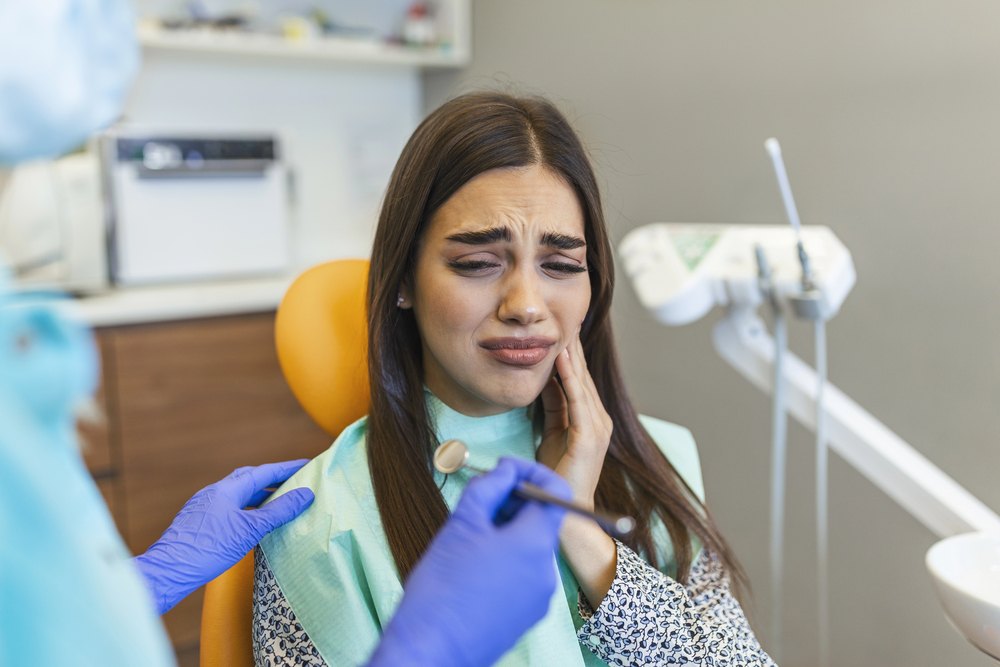
That distinction matters because “TMJ pain” is not one diagnosis. Jaw discomfort can come from muscles, joints, habits, trauma, arthritis, tooth-related problems, or other conditions. Treatment should follow an evaluation of what is actually contributing to the symptoms.
Symptoms That May Be Related to TMD
- Pain or tenderness in the jaw joints or chewing muscles.
- Pain with chewing, yawning, or opening wide.
- Limited jaw opening or episodes of locking.
- Clicking, popping, or grinding sounds when the jaw moves, especially when accompanied by pain or dysfunction.
- A change in how the bite feels.
- Facial pain or muscle fatigue associated with jaw use or clenching.
Jaw Clicking Does Not Always Mean You Need Treatment
Jaw sounds are common, and clicking without pain or limitation does not automatically require treatment. The significance of a sound depends on whether it is associated with pain, locking, reduced movement, trauma, or another functional problem.
If your jaw clicks but functions comfortably, the appropriate plan may be observation rather than an appliance or procedure.
What Does a TMJ/TMD Evaluation Look At?
The dentist reviews when symptoms began, what triggers them, whether they fluctuate, and whether there is a history of injury, clenching, grinding, dental treatment, or other relevant conditions.
The examination may assess jaw opening and movement, joint sounds, muscle tenderness, bite relationships, tooth wear, and other oral findings. Imaging or referral may be appropriate when the history or examination suggests a need for additional evaluation.
Why Conservative Treatment Often Comes First
Many TMD symptoms can change over time, and irreversible treatment is not automatically the best starting point. Depending on the diagnosis, initial management may include behavior changes, reducing aggravating habits, short-term diet modification, exercises or physical therapy, medication coordinated with appropriate healthcare providers, or an oral appliance when indicated.
The specific plan should match the suspected source of the symptoms. A nightguard or splint is not a universal cure for every clicking or painful jaw.
What About Clenching and Grinding?
Clenching or grinding can contribute to muscle fatigue, tooth wear, fractures, or morning jaw discomfort in some patients, but it is not the only cause of TMD. An appliance may help protect teeth or manage selected symptoms, yet it should be prescribed for a defined purpose.
If tooth wear or fractures are present, the restorative condition of the teeth also needs to be considered as part of the plan.
When Is Imaging or Referral Appropriate?
Not every patient with jaw discomfort needs advanced imaging. Imaging can be useful when the history and examination raise questions about joint structures, trauma, degenerative change, persistent locking, or another condition that cannot be adequately evaluated clinically.
Referral to an oral and maxillofacial specialist, physical therapist, physician, or another clinician may be appropriate when symptoms are complex, persistent, progressive, or outside the scope of conservative dental management.
Be Cautious With Permanent Bite Changes as a First-Line Solution
Because TMD has multiple possible causes and many symptoms can fluctuate, treatment that permanently changes the teeth or bite should not be presented as a routine first-line cure without a clear diagnosis and evidence-based rationale.
A responsible plan begins with the least invasive reasonable approach and is adjusted according to how symptoms respond.
TMJ Treatment in Eden Prairie and Lakeville
Moss Dental Studio provides care from two Minnesota offices. Choose the location that works best for you when scheduling:
- Eden Prairie: 800 Prairie Center Dr, Suite 250, Eden Prairie, MN 55344 — call (952) 974-5116
- Lakeville: 18389 Orchard Trail, Lakeville, MN 55044 — call (612) 312-0087
For maps and office information, view the Moss Dental Studio locations or contact the dental team.
Questions Patients Ask
Is TMJ the same as TMD?
TMJ refers to the jaw joint itself. TMD refers to disorders involving the temporomandibular joints, chewing muscles, and related structures.
Does jaw clicking mean I have TMJ disorder?
Not necessarily. Clicking can occur without pain or dysfunction. It deserves evaluation when it is painful, associated with locking, or accompanied by other symptoms.
Can a nightguard cure TMJ pain?
An oral appliance can be useful for selected patients and purposes, but it is not a universal cure. The cause of symptoms should be evaluated first.
Can stress cause jaw pain?
Stress can contribute to muscle tension or clenching in some people, but jaw pain has multiple possible causes. It should not be attributed to stress without considering other factors.
Will I need surgery for TMJ problems?
Most patients with jaw symptoms do not begin with surgery. Surgical evaluation is reserved for selected structural or persistent conditions after appropriate diagnosis.
Can Botox treat TMJ pain?
Botulinum toxin is discussed in some settings for selected muscle-related symptoms, but it is not an automatic treatment for TMD. Diagnosis, clinician qualifications, scope of practice, risks, and alternatives must be considered.
Jaw Pain, Locking, or Painful Clicking? Start With the Cause—not a One-Size-Fits-All Appliance.
You do not need to decide whether you need a nightguard, Botox, bite adjustment, or another treatment before your jaw is evaluated. Similar symptoms can come from different muscles, joints, habits, or dental conditions.
Schedule a TMJ/TMD evaluation so Moss Dental Studio can assess how your jaw is functioning, identify likely contributors, and explain the most conservative reasonable next step.
Eden Prairie: 800 Prairie Center Dr, Suite 250 — Call (952) 974-5116
Lakeville: 18389 Orchard Trail — Call (612) 312-0087