

Snoring Appliance
Snoring occurs when tissues in the upper airway vibrate during sleep. For some people it is primarily a social and sleep-quality problem; for others it can occur alongside obstructive sleep apnea. That is why a snoring appliance should not be fitted before considering whether the snoring could be a sign of a medical sleep-breathing disorder.
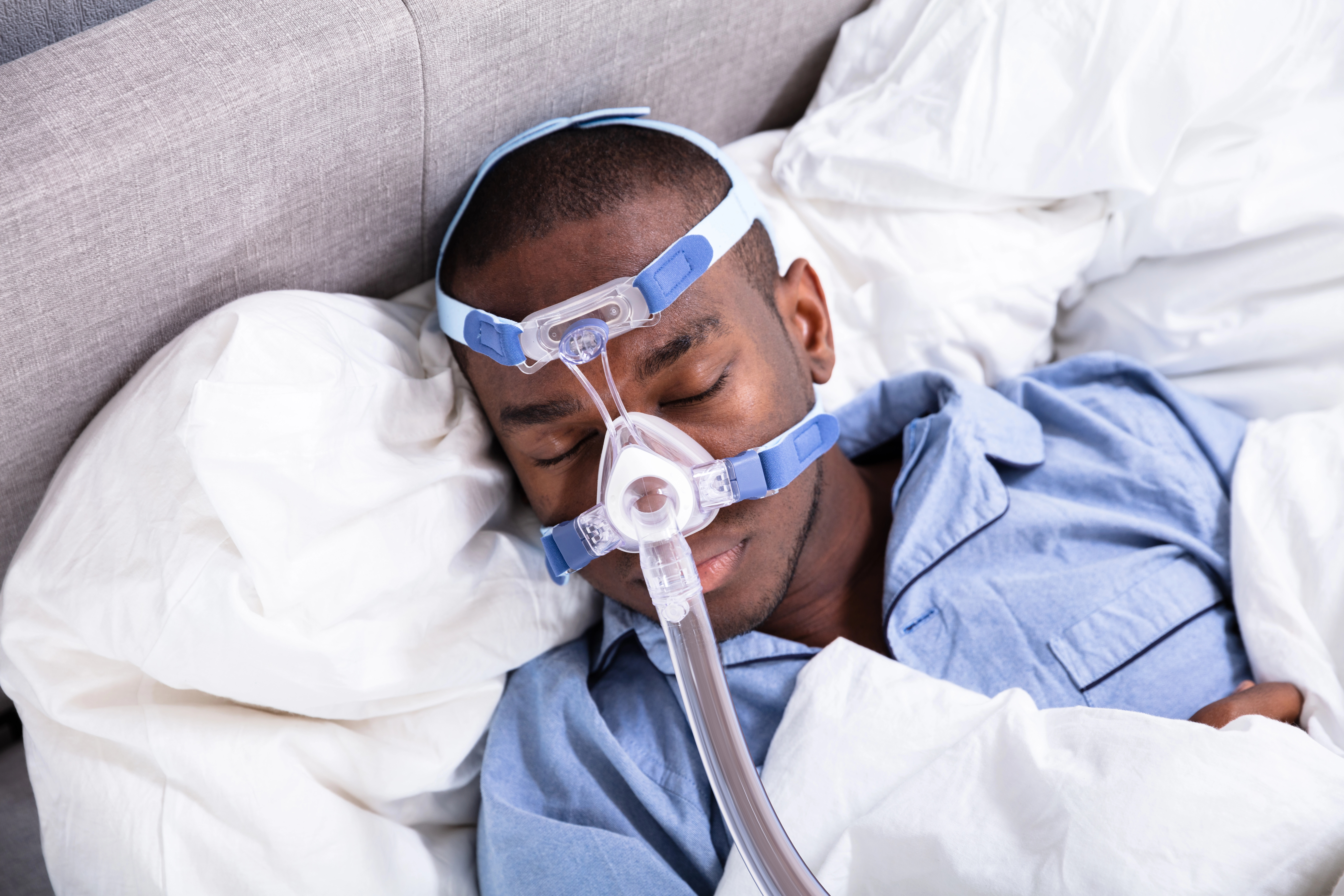
A custom dental appliance can reposition the lower jaw during sleep to help maintain airway space and reduce snoring in selected patients. Before treatment, the dentist needs to evaluate your teeth, gums, jaw function, bite, and sleep history and determine whether medical sleep evaluation is appropriate.
When Snoring Should Raise Concern About Sleep Apnea
Witnessed pauses, gasping or choking, excessive daytime sleepiness, loud habitual snoring, morning headaches, dry mouth, unrefreshing sleep, or medical risk factors can make formal sleep evaluation important.
Primary Snoring and Sleep Apnea Are Not the Same Thing
A person can snore without having obstructive sleep apnea, while snoring can also be one clue that OSA is present. Treating the sound of snoring without identifying OSA could leave an underlying medical condition untreated.
When sleep apnea is suspected, appropriate medical evaluation should come before treating the problem as simple snoring.
How Does a Custom Snoring Appliance Work?
Many dental snoring appliances are mandibular advancement devices. They hold the lower jaw somewhat forward during sleep, which can increase airway space and reduce vibration in selected patients.
The appliance is custom fitted and adjusted according to comfort and response. The dentist should monitor teeth, gums, bite, and jaw because long-term use can affect these structures.
Why Not Buy an Over-the-Counter Snoring Mouthpiece?
Over-the-counter devices may not account for your bite, dental restorations, periodontal health, jaw symptoms, missing teeth, or the possibility of sleep apnea. Fit and adjustability can also differ from a custom appliance.
A custom approach does not guarantee that snoring will resolve, but it allows the device to be fitted, adjusted, and monitored in relation to your oral anatomy.
What Happens at a Snoring-Appliance Evaluation?
The dentist reviews snoring and sleep history, asks about symptoms that may warrant medical evaluation, and examines the teeth, gums, bite, and jaw function.
If appliance therapy is appropriate, dental records are taken to create the device. Follow-up assesses fit, comfort, snoring response, jaw or muscle symptoms, bite changes, and appliance condition.
What If Snoring Improves but You Still Feel Tired?
Reduced snoring does not rule out persistent sleep apnea or another sleep problem. If daytime sleepiness, witnessed breathing pauses, gasping, or other concerning symptoms continue, medical sleep evaluation is important.
Snoring Appliance vs. Nightguard
A nightguard for tooth grinding and a mandibular advancement appliance for snoring are designed for different purposes. A standard bruxism guard should not be assumed to treat snoring or sleep apnea simply because both are worn over the teeth at night.
Snoring Appliance in Eden Prairie and Lakeville
Moss Dental Studio provides care from two Minnesota offices. Choose the location that works best for you when scheduling:
- Eden Prairie: 800 Prairie Center Dr, Suite 250, Eden Prairie, MN 55344 — call (952) 974-5116
- Lakeville: 18389 Orchard Trail, Lakeville, MN 55044 — call (612) 312-0087
For maps and office information, view the Moss Dental Studio locations or contact the dental team.
Questions Patients Ask
Can a mouthpiece stop snoring?
A mandibular advancement appliance can reduce snoring in selected patients, but response varies and the cause of snoring matters.
Do I need a sleep study first?
If symptoms or risk factors suggest obstructive sleep apnea, medical sleep evaluation is important before treating the problem as primary snoring.
Is a snoring appliance the same as a sleep apnea appliance?
The devices may use similar principles, but diagnosed sleep apnea requires medical coordination and objective follow-up beyond treating snoring alone.
Can a snoring appliance cause jaw pain?
Jaw or muscle discomfort and bite changes can occur. Dental follow-up allows the appliance to be adjusted and side effects monitored.
Can I use a nightguard for snoring?
A standard nightguard for grinding is not designed as a snoring or sleep-apnea treatment.
How long does a snoring appliance last?
Longevity varies with design, grinding or clenching, oral changes, cleaning, and wear. The device should be checked periodically.
Snoring Keeping the Household Awake? Make Sure You Are Treating the Right Problem.
A quieter night is important, but the first priority is determining whether your snoring appears to be primary snoring or a sign that medical sleep evaluation is needed.
Contact Moss Dental Studio to discuss a snoring-appliance evaluation and confirm whether custom oral appliance therapy is currently offered. If your history suggests sleep apnea, the next step should include appropriate medical sleep evaluation before treating snoring alone.
Eden Prairie: 800 Prairie Center Dr, Suite 250 — Call (952) 974-5116
Lakeville: 18389 Orchard Trail — Call (612) 312-0087