My Crown Came Off: What to Do Before Your Dental Appointment
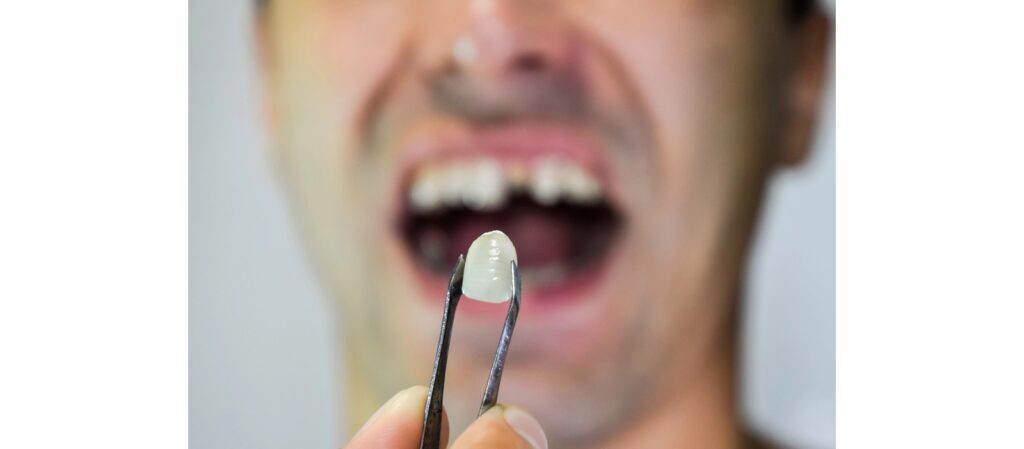
If a dental crown comes off, keep the crown, avoid chewing on that tooth and call the dental office to arrange an evaluation. A crown that comes off in one piece can sometimes be cemented back on, but that depends on the condition of the tooth underneath and the crown itself. Do not glue the crown back with household adhesive, because that can damage the tooth and make proper repair harder. First Steps When a Crown Comes Off The first goal is to protect two things: the crown and the exposed tooth. These steps are practical for most situations while waiting to hear from the dental team. Find and save the crown. Rinse it gently and store it in a clean, sealed container or bag. The dentist will want to inspect it. Check that the crown did not go down the throat. If it cannot be found and there is any coughing, wheezing or trouble breathing, seek emergency medical care. Look at the area without poking it. Note whether any tooth piece came off with the crown, or whether the tooth looks broken. Call the dental office. Describe what happened, whether there is pain or swelling and whether the crown is intact. Chew on the other side. The uncovered tooth is weaker and more sensitive than usual, which is why hard, sticky and very hot or cold foods are best avoided. The emergency dental care team at the practice can advise on how soon the tooth should be seen, because that depends on the details described in the call. Should You Put the Crown Back On Yourself? The safest default is to keep the crown out and let the dentist reseat it. The Indian Dental Association’s dental emergency guidance advises against putting a crown back yourself when there is no discomfort and appearance is not a concern, and it specifically warns against super glue. Some professional guidance describes temporary reattachment with pharmacy dental cement for comfort or appearance. That should be done only after the dental team says it is appropriate for that specific tooth. A crown pushed on at the wrong angle can change the bite, trap debris against the tooth or be swallowed while sleeping. Household glue is the clearest “do not.” Super glue and similar adhesives are not designed for the mouth, can irritate the gums and can make it harder for the dentist to clean and reseat the crown. Why Do Crowns Come Off? Crowns usually come off because the bond between the crown and tooth has failed, and the reason behind that failure affects the repair. Common causes include: New decay at the edge of the crown that undermines the tooth Cement that has washed out or broken down over time A fracture in the tooth underneath the crown Sticky foods, hard foods or clenching and grinding forces A temporary crown, which is designed to come off more easily Crowns do not last forever. The Cleveland Clinic’s overview of dental crowns describes an average lifespan of about five to 15 years, depending on materials and care. A crown that comes off after many years may simply be due for evaluation and replacement. Can the Same Crown Be Re-Cemented? Sometimes. The dentist decides by examining both the crown and the tooth, because a crown can look perfect on the outside while the tooth beneath it has changed. What the dentist finds Possible next step Crown intact, tooth sound, good fit Clean and re-cement the existing crown Decay under the old crown Treat the decay, then usually a new crown Crown cracked or worn through Replacement crown Tooth fractured below the crown Rebuilding the tooth, a new crown or other options based on how much tooth remains Tooth sore, infected or nerve involved Further evaluation, which may include root canal treatment When a new crown is needed, a same-day crown is one option to ask about, although not every tooth or situation is suited to a single-appointment workflow. If a tooth is too damaged to support a crown, the dentist can explain other restorative dentistry options. When Is a Lost Crown Urgent? A lost crown is often uncomfortable rather than dangerous, but some signs call for prompt attention. Contact the dental office promptly if there is: Severe or worsening pain, or pain that keeps you awake Swelling in the gum, face or jaw A broken tooth with sharp edges cutting the tongue or cheek A crown that may have been swallowed or inhaled The ADA’s MouthHealthy guidance on dental emergencies advises calling the dentist as soon as possible and providing as much detail as you can, and visiting a local emergency room when the dental office is not open. Facial swelling with fever or difficulty breathing or swallowing needs emergency medical care. Frequently Asked Questions Is it a problem if a crown came off but nothing hurts? It still needs attention, even without pain. A tooth that has had a root canal may have little or no sensation, so a lack of pain does not mean the tooth is healthy. Uncovered tooth structure can chip, collect plaque and decay, and the neighboring teeth can shift slightly over time, which may stop the old crown from fitting again. What if a temporary crown came off? Call the office that placed it, because a temporary crown protects the prepared tooth and holds space for the final crown. Temporary crowns use weaker cement on purpose, so they come off more easily than permanent ones. Losing one is common, but the tooth can become sensitive and shift if it stays uncovered too long, which may affect how the final crown fits. Can you swallow a dental crown? Yes, crowns are sometimes swallowed, often while eating or sleeping. A crown that passes into the stomach is usually less concerning than one breathed into the airway. Call the dentist or a medical provider for advice, and seek emergency care right away for coughing, wheezing, choking or breathing trouble, because an inhaled object
Dental Care During Pregnancy: Cleanings, X-Rays and Fillings
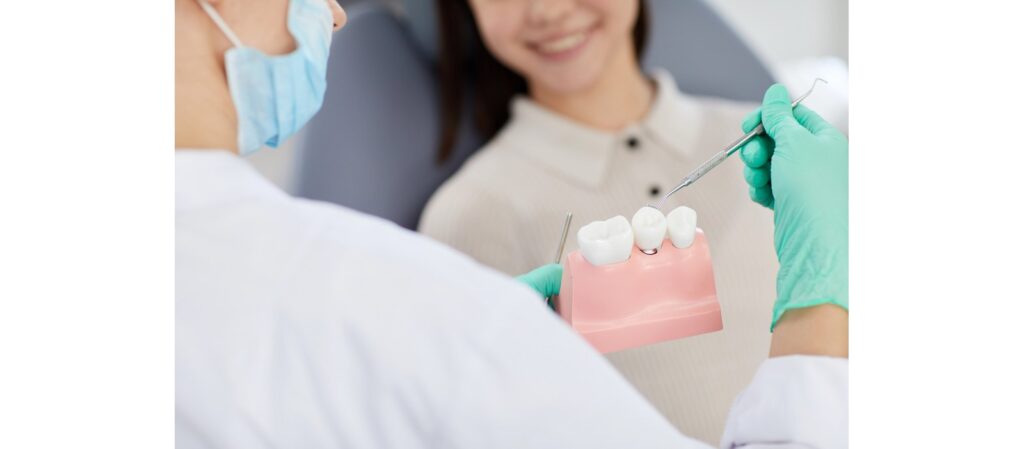
Yes, it is generally safe to see the dentist while pregnant. According to the American Dental Association (ADA) guidance for pregnant patients, checkups, diagnostic images, numbing injections and repairs such as fillings are appropriate in every trimester when clinically needed. What can change is timing for elective treatment, comfort during longer visits and medication or sedation choices, so the dentist needs to know about the pregnancy before treatment begins. Why Dental Visits Still Matter During Pregnancy Keeping scheduled checkups helps address the oral changes that can accompany pregnancy. Hormonal shifts can intensify gum inflammation from plaque. The ADA also highlights cavities and acid-related enamel damage as concerns, particularly when nausea disrupts brushing or vomiting becomes frequent. Leaving these problems alone does not make them disappear. A small cavity or inflamed gum line that is found at a routine visit is usually simpler to manage than a painful problem discovered weeks later, which is why a cleaning and exam during pregnancy is preventive rather than optional. ACOG, the professional college for obstetricians, reaffirmed its dental-health committee opinion in 2025. It asks obstetric clinicians to reassure patients that dental visits are both safe and worthwhile. Dental and obstetric groups therefore agree. Are Dental Cleanings Safe During Each Trimester? Routine dental cleanings and checkups are appropriate whether a patient is early, midway or late in pregnancy. No trimester is officially “off limits” for preventive care, so a cleaning that is due does not need to wait for a specific week. Comfort is the more practical question. Nausea and a stronger gag reflex can make early pregnancy visits harder, while lying back for a long time can feel uncomfortable later on. Telling the hygienist about these issues allows breaks, position changes and shorter appointments where that helps. Bleeding gums call for an assessment, not an automatic deep cleaning. If the examination identifies periodontitis, scaling and root planing may be appropriate. The ADA supports treating this gum disease during pregnancy rather than allowing it to worsen. Are Dental X-Rays Safe While Pregnant? When a dentist needs an image to diagnose a problem, an X-ray can be taken in any trimester. The ADA’s guidance also states that abdominal and thyroid shielding is no longer recommended for pregnant patients, reflecting current dental radiography recommendations on how low the exposure from dental imaging is. That does not mean every routine image must be taken. The dentist decides which dental X-rays are useful based on symptoms, history and timing. An image may be appropriate for a painful tooth, while a routine set might reasonably wait if nothing suggests a problem. Saying “I am pregnant” at check-in is the simplest way to make sure imaging decisions account for the pregnancy, because the decision should be made deliberately rather than by default. Can You Get a Filling or Other Needed Treatment While Pregnant? Yes. A necessary filling, root canal or extraction does not automatically have to wait until after delivery. Professional dental and obstetric guidance supports treating active disease during pregnancy; allowing a cavity or infection to advance can make the eventual procedure more involved. Pregnancy does not require having a filling without numbing. The ADA supports using local anesthesia, including lidocaine preparations that contain epinephrine, when appropriate. The dentist still reviews your health history before choosing the medication. Do not use trimester alone to decide whether to postpone needed treatment. An infection or fracture needs assessment even in the first or final weeks. For a longer non-urgent visit, nausea and tolerance of a reclined position can influence scheduling. Treatment Timing at a Glance Type of dental care Usual approach during pregnancy What may affect timing Cleanings and exams Continue as scheduled in any trimester Nausea, gag reflex, comfort lying back Diagnostic X-rays Taken when clinically needed Symptoms and whether results would change care now Fillings, extractions, root canals Not postponed when needed to treat disease Severity, comfort, obstetric guidance for high-risk pregnancies Elective cosmetic treatment Often discussed for after delivery Personal preference and the dentist’s recommendation What Dental Treatments Might Be Adjusted or Postponed? Elective cosmetic work, such as professional teeth whitening, is commonly discussed for after pregnancy because it is not treating disease. Postponing it costs nothing in oral health terms, which is why many patients and dentists choose to wait. Sedation needs a separate discussion from local numbing. Because of pregnancy-related concerns, the ADA advises avoiding nitrous oxide exposure while expecting. Patients who usually rely on nitrous oxide sedation for anxiety should raise this before the appointment so another comfort plan can be considered. Pain relief after treatment can also need a conversation. The ADA suggests choosing post-treatment pain relievers together with the obstetrician, since advice about some familiar over-the-counter options has shifted. What to Tell the Dental Team Before Your Appointment Sharing a few details up front makes the visit safer and more comfortable, because the dentist can only plan around information the team actually has. How far along the pregnancy is and the expected due date Whether the pregnancy has been described as high-risk Any medications, prenatal vitamins or supplements Nausea, vomiting or a strong gag reflex New gum bleeding, swelling or tooth sensitivity The ADA also suggests dentists may contact the obstetrician when questions arise, such as for a high-risk pregnancy or a recommended pain medication. Bringing the obstetrician’s contact information can make that coordination faster. Patients of Moss Dental Studio can review insurance information before the visit, because dental benefits can affect how preventive care and needed treatment are scheduled. Frequently Asked Questions Is it safe to brush right after vomiting from morning sickness? It is better to wait instead of brushing immediately. Acid from the stomach leaves enamel temporarily soft, so scrubbing it straight away can remove more surface. The ADA recommends an acid-neutralizing rinse: mix 1 teaspoon baking soda into 1 cup water. Resume fluoride-toothpaste brushing later rather than skipping it, especially when vomiting happens repeatedly. What is the small red growth on the gums some pregnant patients notice? It may