
Orthodontic Evaluation
An orthodontic evaluation is where an interest in straighter teeth becomes a diagnostic treatment-planning process. The goal is to understand not only where the teeth are now, but how the upper and lower teeth relate, which movements are needed, what limitations exist, and which appliance can accomplish those movements predictably.
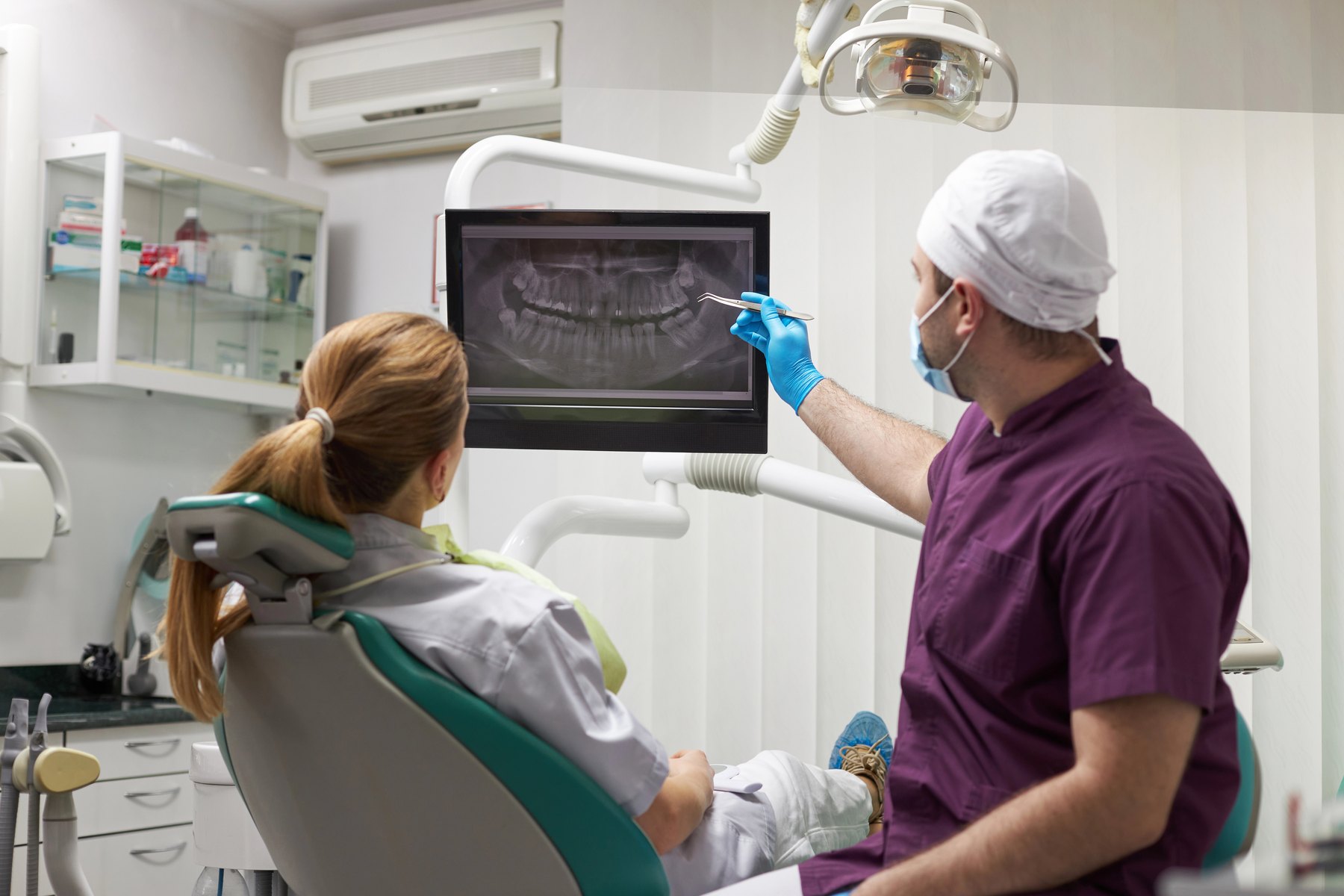
That makes an evaluation different from simply looking at a smile and recommending Invisalign or braces. Orthodontic treatment changes tooth position, so the plan needs to account for the bite, supporting gums and bone, existing dental work, and retention after treatment.
What Is Evaluated Before Orthodontic Treatment?
- Crowding, spacing, rotations, and individual tooth positions.
- How upper and lower teeth meet when you bite.
- Jaw and dental relationships relevant to the treatment problem.
- Gum health and supporting tissues around the teeth.
- Existing crowns, fillings, implants, missing teeth, or other restorative considerations.
- Previous orthodontic treatment and areas of relapse.
- Oral-hygiene conditions that may need improvement before active movement.
Which Orthodontic Records May Be Needed?
The records depend on the clinical question. Digital scans or impressions can document tooth position and bite. Photographs can record facial and dental relationships. Imaging may be used when it provides information needed for diagnosis, root position, supporting structures, development, or treatment planning.
More records are not automatically better. Each record should contribute information that affects diagnosis or the proposed movement plan.
From Findings to Treatment Objectives
A useful orthodontic plan describes what needs to change, not just which appliance will be used. Objectives might include creating or closing space, correcting rotations, improving selected bite relationships, coordinating tooth positions for restorative care, or recovering alignment after relapse.
Once the objectives are clear, the dentist can discuss which appliance systems can produce the required movements and what limitations apply.
Clear Aligners vs. Traditional Braces
Clear aligners are removable and depend heavily on consistent wear. Traditional braces are fixed and use brackets and wires. Some cases can be treated with either approach, while others may be more predictable with a particular system or additional mechanics.
Patients interested in removable treatment can review Invisalign at Invisalign clear aligners, but the evaluation should determine whether aligners fit the required movements.
Why Gum Health Matters Before Moving Teeth
Active gum disease, poor plaque control, or inadequate supporting tissues can affect how and whether teeth should be moved. Periodontal treatment or coordination with another clinician may be appropriate before or during orthodontic care.
Treatment Planning Includes Retention
Retention should be considered before active treatment starts, not introduced as an afterthought when braces or aligners come off. Teeth can change position after treatment, so the plan should include how corrected positions will be maintained.
Orthodontic Evaluation in Eden Prairie and Lakeville
Moss Dental Studio provides care from two Minnesota offices. Choose the location that works best for you when scheduling:
- Eden Prairie: 800 Prairie Center Dr, Suite 250, Eden Prairie, MN 55344 — call (952) 974-5116
- Lakeville: 18389 Orchard Trail, Lakeville, MN 55044 — call (612) 312-0087
For maps and office information, view the Moss Dental Studio locations or contact the dental team.
Questions Patients Ask
How is an evaluation different from a consultation?
A consultation is an initial discussion and preliminary assessment. An evaluation is the diagnostic stage used to define the orthodontic problem and treatment objectives.
Will I need a digital scan?
Orthodontic records often include a scan or impression, but the exact records should reflect the treatment-planning needs of your case.
Why might I need X-rays?
Imaging can provide information about roots, supporting bone, developing teeth, and structures that cannot be fully evaluated from visible tooth crowns alone.
Can an evaluation tell exactly how long treatment will take?
It can support a case-specific estimate, but biological response, complexity, appliance wear, breakages, and refinements can affect the actual timeline.
What if my teeth look straight but my bite feels wrong?
Orthodontics is not only about visible alignment. A bite concern can still warrant evaluation.
Ready to Move From “Maybe Orthodontics” to a Real Treatment Plan?
If you already know that crowding, spacing, relapse, or your bite is something you want to address, the next step is gathering enough diagnostic information to understand what actually needs to move.
Schedule an orthodontic evaluation so Moss Dental Studio can assess your teeth and bite, define the treatment objectives, and explain which orthodontic approach fits those objectives.
Eden Prairie: 800 Prairie Center Dr, Suite 250 — Call (952) 974-5116
Lakeville: 18389 Orchard Trail — Call (612) 312-0087